Discovering the Power of Personal Style: The Hidden Language of Self-Expression
There’s something extraordinary about the way people express themselves without words. Before a single sentence is spoken, before a handshake or introduction, your appearance already tells a story.
The clothes you wear, the colors you choose, and even the smallest accessories create a visual language that says a lot about your personality, confidence, and creativity.
Personal style is more than just fashion. It’s a reflection of individuality—an art form that reveals how someone feels, how they see themselves, and how they want to be perceived by the world. For women, especially, style becomes an extension of identity, shaping not only how they present themselves but also how they experience life.
The essence of personal style
At its core, personal style isn’t dictated by trends, designer clothes, or what’s currently “in.” It’s about creating visual harmony between your interior and exterior. True style is deeply personal—it evolves from an awareness of who you are and how you want to present yourself to the world.
Every outfit you put together carries a message. A smart jacket and tailored trousers can convey professionalism and control, while a flowing dress in muted colors can convey romance or openness. The same woman can convey different messages depending on her choices, reflecting the dynamic and multifaceted nature of her identity.
Legendary designer Coco Chanel once said, “Fashion passes; only style remains the same.” Her words still ring true because style isn’t fleeting—it’s timeless. It lives in the details, in how you carry yourself and how confidently you carry what’s true to you.
Beyond the Surface: What Style Really Means
Style is often confused with superficiality, but it’s one of the most powerful forms of nonverbal communication. Through fashion, people express emotions, beliefs, and aspirations. Every color, fabric, and silhouette has meaning.
For example, a woman who favors minimalist patterns and neutral colors may value balance and simplicity, reflecting a calm and thoughtful nature. Conversely, someone who loves bold patterns and vibrant colors may exude confidence, creativity, and a zest for life. Neither of these statements is right or wrong—they are simply two visual expressions of different inner worlds.
Style also changes with our mood. On days filled with joy and determination, we may instinctively reach for bright colors or statement pieces. On calmer days, soft sweaters and subtle color palettes can prove the right choice. Clothes become a mirror of emotions—a wearable diary that records the rhythm of our inner lives.
The Language of Style: What Your Appearance Says About You
Every style choice—conscious or not—communicates something. Here’s how different approaches to style reflect different aspects of personality and identity:
1. Classic style
The classic style is timeless, structured, and elegant. It’s characterized by clean lines, high-quality fabrics, and a neutral color palette. Women who prefer this aesthetic often exude confidence, charm, and sophistication. They value durability over novelty, preferring a polished look that will stand the test of time.
2. Business or professional style
This approach emphasizes authority, intelligence, and ambition. Think tailored blazers, pencil skirts, silk blouses, and elegant stilettos. The goal isn’t just to look good—it’s to inspire respect and trust. A professional style allows women to enter any space, ready to lead, collaborate, and achieve success.
3. Romantic style
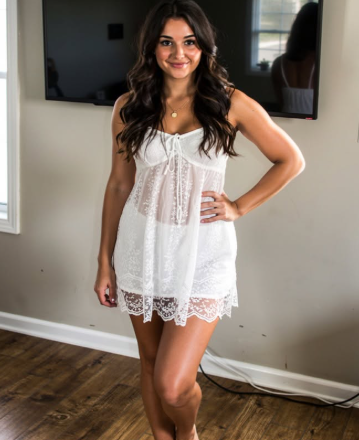
Soft textures, lace, pastel shades, and floral patterns define the romantic style. It exudes warmth, sensitivity, and imagination. Those drawn to this aesthetic often express a caring energy and appreciate beauty in every detail.
4. Sporty or casual style
Practical yet stylish, the sporty look emphasizes comfort, agility, and energy. Sneakers, denim, and breathable fabrics symbolize a pragmatic personality that values movement and freedom. It reflects vitality and a love of everyday adventures.
5. Avant-garde style
This style is bold and visionary. It breaks boundaries and challenges conventions with experimental silhouettes, unexpected materials, and an artistic flair. Avant-garde fashion isn’t about fitting in, but about standing out and inspiring conversation.
6. Folklore or boho style
Drawing on cultural heritage and craftsmanship, this aesthetic celebrates storytelling and individuality. Embroidery, earthy tones, and handmade jewelry combine to express a deep appreciation for history and creativity.
7. Styl glamour
Glamour is synonymous with confidence and charm. Sequins, metallic fabrics, rich textures, and bold accessories define this style. Women who prefer it often exude magnetism, poise, and a love of being the center of attention.
8. Eclectic or diffuse style
It’s the freedom to combine everything you love—mixing eras, textures, and moods. This is for those who defy categorization, see beauty in contrasts, and express themselves through creative experimentation.
Each of these styles tells a story. Most women don’t fit into one style—they weave together a multitude of influences, adapting to the season, occasion, or emotional state. This adaptability is what makes personal style so fascinating—it evolves with us.
The influence of style on perception
The way we dress not only affects how others perceive us but also how we perceive ourselves. Research shows that people form opinions within seconds of meeting someone, often guided by nonverbal cues such as posture, appearance, and clothing choices.
In a professional environment, attire can convey credibility, confidence, and competence. In social settings, it can convey openness, friendliness, or creativity. But beyond these external perceptions, the true power of style lies in how it shapes internal experiences.
When a woman feels comfortable and confident in what she’s wearing, her body language changes—her shoulders square, her eye contact strengthens, and her overall presence becomes magnetic. It’s not vanity, it’s psychology. Clothes can influence mood, motivation, and attitude—psychologists call this “clothing cognition.” Essentially, what you wear can influence how you think and act.
For example, wearing a well-tailored jacket can boost your confidence, while wearing soft, cozy fabrics can calm your nerves. The connection between clothing and emotions is subtle yet profound—a feedback loop between expression and self-perception.
Defining Your Style: A Personal Journey
Discovering your personal style isn’t about copying trends or following influencers—it’s about understanding yourself. Here are a few steps to help you define your own aesthetic:
1. Start with self-reflection
Ask yourself how you want to feel and what you want to convey with your appearance. Do you strive for elegance, creativity, comfort, or strength? Style begins with self-awareness.
2. Observe and learn
Explore various inspirations—fashion magazines, vintage archives, street style, even art and nature. Notice what consistently captures your attention. Patterns that reflect your natural preferences will emerge.
3. Experiment without fear
Style should be playful. Try mixing textures, layering unexpected elements, or adding a bold accessory. Sometimes stepping outside your comfort zone reveals personality traits you didn’t know existed.
4. Focus on quality, not quantity
A carefully selected wardrobe of timeless, well-made clothes often works better than overflowing closets with trendy accessories. Invest in clothes that fit well and perfectly – they will become your wardrobe staples.
5. Adapt trends to your needs
Trends can be fun, but they should accentuate, not obscure, your individuality. Draw inspiration from them, but always adapt them to your personality and lifestyle.
6. Express your emotions
Don’t underestimate the emotional power of clothing. Let your outfit reflect your current energy—whether you’re celebrating joy, longing for peace, or seeking motivation.
The Psychological Power of What You Wear
What you wear can profoundly change how you feel. Research confirms that clothing affects self-esteem, confidence, and even cognitive function. For women, this knowledge transforms fashion from an aesthetic element into a tool for boosting self-esteem.
Dressing elegantly isn’t a matter of vanity—it’s an act of self-care. When you take the time to choose what truly represents you, you strengthen your self-esteem. You remind yourself that you deserve to feel beautiful, comfortable, and confident.
Getting dressed also has an emotional ritual—one that sets the tone for the day ahead. Wearing an outfit that resonates with your energy can boost your mood, sharpen your focus, and prepare you for whatever challenges and opportunities await.
Cultural and social dimensions of style
Style doesn’t exist in isolation. It is shaped by history, society, and culture. What is considered stylish in one era or country may be perceived differently in another. These changes reflect changing values, movements, and technological advances.
For example, minimalist fashion has gained popularity alongside the rise of mindfulness and sustainability. It represents a rejection of excess and an acceptance of conscious living. Meanwhile, vintage and retro trends often reflect nostalgia—a desire to revisit the charm of decades past.
From a cultural perspective, clothing is also an expression of belonging. Certain styles help people connect with their heritage or express solidarity with their community. Whether it’s traditional embroidery, symbolic jewelry, or contemporary reinterpretations of cultural attire, style allows individuals to pay tribute to their origins while embracing who they are today.
Style as empowerment and freedom
At its best, style empowers you. It gives you control over how you present yourself to the world. It allows you to shape perceptions while remaining authentic. When a woman masters her style, she doesn’t just look confident—she feels it.
Personal style becomes a shield and a statement. It can boost morale in difficult times or express joy in joyful ones. It reminds us that beauty and strength are not opposites—they coexist in authenticity.
In a society that often pressures women to conform, cultivating your own style is an act of independence. It says, ” I define who I am.”
Evolution of style over time
One of the most beautiful things about style is that it evolves with life. The wardrobe that defined you in your twenties may not fit your thirties or forties—and that’s perfectly normal. Growth not only changes your body but also your mindset, priorities, and values.
A woman who once gravitated toward avant-garde streetwear may later embrace timeless silhouettes or sustainable fashion. This evolution doesn’t mean a loss of identity, but rather a refinement. Style evolves with experience—it matures, just like us.
The key is to remain open-minded. Your wardrobe should adapt to your growth, always reflecting the version of you that feels most authentic to you at any given moment.
Building a Timeless Wardrobe
To ensure your personal style is both practical and long-lasting, choose timeless wardrobe staples. A well-fitting blazer, a classic white shirt, tailored trousers, comfortable jeans, a versatile dress, and elegant shoes can form the foundation for countless outfits. Add accessories that highlight your individuality—scarves, earrings, or handbags—that will highlight your uniqueness.
Sustainability also plays a role in timeless clothing. Choosing quality over quantity and supporting ethical brands contributes to a more conscious approach to fashion. Not only do you reduce waste, but you also create a wardrobe that truly lasts.
Summary: The Art of Being Yourself
Personal style is more than just appearance—it’s identity in motion. It’s a language of self-expression, a daily act of creativity, and a reflection of who you’re becoming.
While fashion trends come and go, your authentic style will always remain because it comes from within. It doesn’t require acceptance—it thrives on self-awareness and confidence.
Style is how you tell your story without saying a single word. It’s how you celebrate your individuality, embrace change, and express your truth with grace.
And as Coco Chanel said, fashion passes, but true style endures – because it’s not about what you wear, but who you are when you wear it.