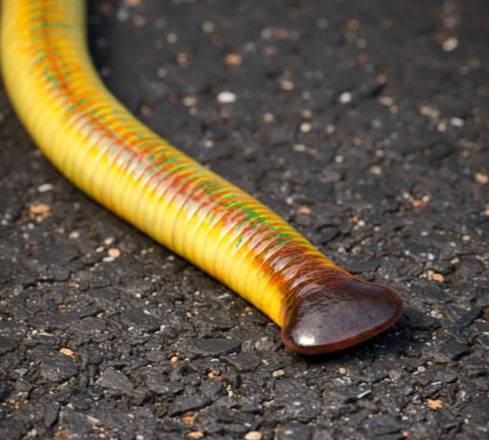
If a centipede passes through your bathroom, it’s not a real threat. This discreet predator often signals a disturbing problem in the home.
You turn on the bathroom light, and there, a small, elongated body, bristling with thin legs, crawls along the baseboard.
The immediate reaction: disgust, sometimes panic, and the urge to crush it as quickly as possible. This discreet visitor, the centipede , seems harmless, almost a household item.
In reality, this centipede is often harmless to humans and feeds on other insects. However, its frequent presence in a home speaks volumes about the condition of the house. For many professionals, the sight of a centipede in a home signifies much more than just a visit from an insect: something in the house is starting to deteriorate.
Why does a centipede seek shelter in your home?
Your first instinct is to classify millipedes in your home as pests. However, they prey on spiders, fleas, cockroaches, and moths, helping to control their populations. They prefer dark corners, crevices, baseboards, and basements, where they find both food and well-protected shelter.
“The centipede itself isn’t a pest, but it can be a clear indicator of a problem with the home’s climate,” warns Lodewijk Tromp, a humidity expert at Carebrick Damp Control, as quoted by Linternaute. Attracted by warmth and moisture, it exploits the smallest cracks in walls or under doors to settle near a food source.
Damp and rot: the real, hidden problem
Gerhard Geurtse, director of the Knowledge and Advisory Center for Pests (KAD), emphasizes that “moisture is usually a trigger, but rarely the direct cause.” Standing water or constantly damp materials deteriorate over time: swollen wood, plant debris trapped in skylights, accumulated organic dust. This mixture provides food for mites and tiny parasites that millipedes adore.
The regular appearance of these animals often indicates the onset of rot in a home, whether old or new. Homes with skylights or flat roofs are particularly susceptible to these diseases, as organic matter accumulates and decomposes more easily in these conditions. A home remains healthy when humidity is between 30 and 50%; above this level, the environment becomes ideal for mold, moisture-loving insects, and centipedes.
Isolated Centipede or Invasion: When to Be Concerned and What to Check
A single stray centipede isn’t necessarily cause for concern. However, seeing several centipedes in the same area, especially close to the ground, should raise the suspicion of a serious moisture problem . Initial inspections should focus on the most vulnerable areas:
- Basements and cellars: stained walls, musty smell, softened wood or cardboard.
- Bathrooms and kitchens: dried grout, stubborn stains, leaks under sinks.
- Skylights, flat roofs and gutters: accumulated leaves, puddles, constantly damp materials.
- Cold corners and lower parts of walls: frequent condensation, chipped paint, minor mold growth.
If centipedes persist after thorough cleaning and removal of decaying organic matter, the cause is likely structural factors: insufficient ventilation, rising damp from walls, or excessive condensation. In this case, it becomes necessary to thoroughly inspect basements, bathrooms, and cold corners and then correct the indoor climate instead of spraying pesticides, which would only drown out the warning signals of these discreet tenants.
In short
- For air humidity experts such as Lodewijk Tromp, the frequent appearance of centipedes in the home is a warning signal about the disturbance of the microclimate and materials in the room.
- Basements, bathrooms, kitchens and flat roofs are places where moisture, stains or unpleasant odors should be a cause for concern.
- Before you can start getting rid of insects, you need to address the real cause, which is dampness and rot, and there are a few key steps to remember that are often neglected in homes.