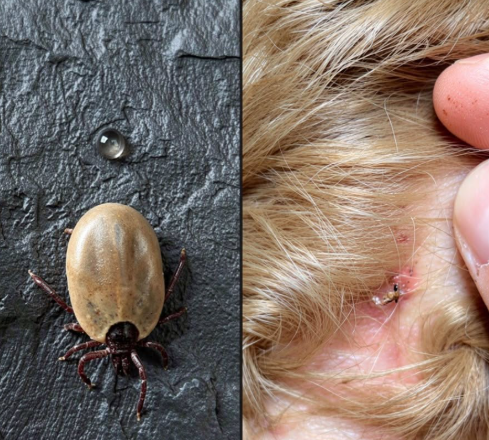
Finding an uninvited guest clinging to your child’s scalp is every parent’s worst nightmare, a moment that takes your breath away and transforms an ordinary day into a frantic medical emergency. You brush back their hair, and there it is—a tiny, dark parasite, burrowed into their skin and feeding on their blood. The initial panic is overwhelming, but the real danger is only just beginning. Many parents dismiss these bites as minor inconveniences, quickly removing them and wrapping them in a bandage. This catastrophic mistake can mean the difference between a simple skin irritation and a devastating, life-altering chronic condition that lasts for years.
The tick bite process is seemingly silent. As the parasite attaches to the skin, it releases an anesthetic that masks its presence, allowing it to feed undetected for hours or even days. While the initial wound may appear as a small, harmless red bump, the real threat lies beneath the surface. Ticks act as mobile blood vessels for a terrifying array of pathogens, including the bacteria responsible for Lyme disease, Rocky Mountain spotted fever, and ehrlichiosis. The longer a tick remains attached, the greater the concentration of bacteria it injects into the bloodstream, significantly increasing the risk of long-term infection.
After the parasite has been removed, the period after the bite is the most important time to be vigilant. Although mild redness or local irritation at the bite site is a normal reaction to the tick’s saliva, you should be especially vigilant for general symptoms suggesting infection. In the days and weeks following the bite, your child’s health should be closely monitored. Fever, unexpected fatigue, swollen lymph nodes, or persistent muscle and joint pain are not just symptoms of the typical flu—they are warning signs that the tick may have transmitted a dangerous pathogen.
One of the most infamous warning signs is the development of a spreading skin rash. In many cases of Lyme disease, this rash begins with a small, red center that slowly expands, eventually developing the characteristic “bull’s-eye” appearance. However, not all tick-borne illnesses develop this way, and waiting for a specific, textbook rash before seeking medical attention is risky. If a rash of any type begins to grow, darken, or spread within a few weeks of a bite, it should be considered a medical emergency. Early detection and aggressive antibiotic treatment are the only ways to prevent the infection from spreading throughout the body, where it could eventually attack joints, the nervous system, or the heart.
A variety of tick-borne diseases are a growing problem for families spending time outdoors. In addition to Lyme disease, infections such as anaplasmosis and babesiosis can cause severe, flu-like symptoms that can rapidly worsen in young children and immunocompromised individuals. These conditions should not be taken lightly; they require specialized diagnostic testing and targeted medical intervention. If you notice severe headaches, a stiff neck, heart palpitations, or unexplained paralysis in your child, don’t wait—seek medical attention immediately. These are neurological signs that the infection has reached a critical stage and require specialist supervision.
When it comes to tick removal, the method chosen is crucial for your child’s safety. Social media is full of dangerous misinformation about “home remedies” like burning the tick with a match, smearing it with Vaseline, or applying nail polish. Don’t be fooled by these myths. These methods are not only ineffective but downright harmful. Applying heat or suffocating substances often causes the tick to regurgitate its stomach contents directly into the bite wound, effectively introducing the infection into the child’s bloodstream.
The only medically approved removal method is to use clean, fine tweezers. Grasp the tick as close to the skin surface as possible, where its mouthparts are inserted. Pull the tick out firmly, pointing upwards, being careful not to break off the head and leave it embedded in the skin. If the mouthparts detach and remain embedded in the skin, don’t panic, but don’t pick excessively, as this can cause secondary skin infections. Thoroughly clean the bite with soap and water or isopropyl alcohol, then wash your hands immediately. Some doctors recommend storing the tick in a tightly closed, labeled bag or container; this can be extremely helpful for doctors who need to identify the specific tick species and determine what pathogens it may carry.
Prevention is and always will be the best strategy in the fight against ticks. We often underestimate how common these parasites are, thinking they exist only in the deep wilderness, when in fact they thrive in tall grass, suburban gardens, and even our own backyards. When spending time outdoors as a family, protection should be a priority: wear long-sleeved shirts, long pants, and closed-toe shoes. If you’re in high-risk areas, apply EPA-approved insect repellent to your clothes. Most importantly, implement a rigorous “tick check” ritual at the end of each day. Systematically check your body, paying particular attention to places where ticks like to hide: the scalp, hairline, behind the ears, under the arms, around the waist, and behind the knees.
Don’t forget that your pets are also the main carriers of ticks in your home. A tick can jump from your dog’s fur onto your child, continuing its hunt for blood in the safety of your living room. A proactive approach to pet health is a proactive approach to human health. Ticks are small, resilient, and masterful at hiding, but they are not invincible. By maintaining a high level of vigilance, using proper removal techniques, and not ignoring even the subtlest warning signs, you can protect your loved ones from the long-term consequences of a tick bite. Take every encounter seriously; a few moments of vigilance today can protect your child from lifelong health problems.