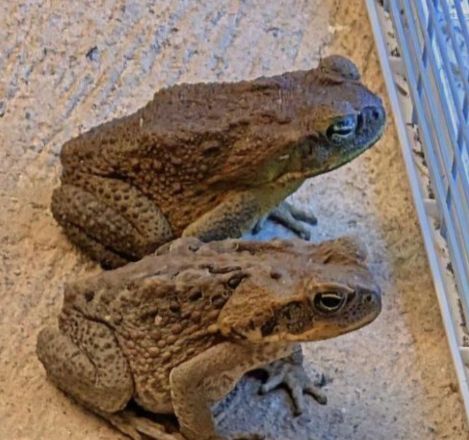
The appearance of a toad in your home can seem surprising, unsettling, and even a bit mysterious. It’s not something most people expect to encounter in their daily lives, and when it does happen, it often evokes curiosity, anxiety, and even a sense of wonder.
Some people immediately seek a practical explanation, while others begin to wonder if the moment carries a deeper meaning or symbolic message. Understanding both perspectives can help create a balanced and thoughtful understanding of the experience.
From a natural perspective, toads are simple creatures, guided by instinct rather than intention. They are amphibians that thrive in moist, cool environments and are especially active at night. If your home provides even a modicum of moisture or shelter, it can become an attractive place for a wandering toad.
This is especially important during the rainy season or after storms, when the ground is saturated with water and toads move more freely in search of food and safe resting places. Open doors, small cracks in walls, basement openings, or crevices under doors can serve as entry points, allowing toads to find their way inside without much difficulty.
Food is another important factor. Toads primarily feed on insects, and if your home contains flies, ants, beetles, or other small insects, you may inadvertently attract them. In this sense, a toad entering your home doesn’t happen by accident, but rather is a reaction to its environment. It follows a food source and acts in ways that support its survival. Interestingly, this also means that a toad’s presence may indicate a hidden insect problem that has gone unnoticed.
Seasonal changes can also influence this behavior. During colder months or periods of drought, toads seek refuge in places that offer stable temperatures and protection from harsh conditions. A basement garage or a shady corner of the house may seem like a safe haven. In such cases, the toad is not invading your space but simply trying to survive in changing environmental conditions.
While these practical explanations are important, many cultures throughout history have attributed symbolic meaning to the appearance of animals, including toads. In folklore and spiritual traditions, toads are often associated with transformation and change. Because they begin life as tadpoles in water and later develop into land creatures, they represent growth, evolution, and adaptability. The appearance of a toad in your home can be interpreted as a sign that you are undergoing a period of personal transformation or that a change is coming to your life.
In some traditions, toads are also seen as symbols of good luck, prosperity, and abundance. In some cultures, they are believed to attract wealth and positive energy, especially when they appear unexpectedly. This interpretation can bring a sense of comfort or optimism, suggesting that the event may be a positive omen rather than something to be feared.
Emotional and psychological interpretations should also be considered. Because toads are associated with water, they are sometimes linked to emotions, intuition, and the subconscious. Their sudden presence can encourage you to pay attention to your inner thoughts, feelings, or unresolved issues. It can serve as a reminder to slow down, reflect, and become more aware of what’s happening beneath the surface of your daily life.
At the same time, it’s important not to overlook the practical responsibility that comes with encountering a toad indoors. These creatures are delicate and can easily become stressed or dehydrated in a dry indoor environment. If you find a toad in your home, the best solution is to gently remove it outside to a safe, shaded, and moist area. Touching should be minimal and gentle, as their skin is sensitive and can be damaged by chemicals or oils on human hands. Ensuring that the toad is safely released into its natural habitat is both humane and respectful.
If you notice toads appearing frequently, it’s worth checking your home for possible entry points or environmental conditions that attract them. Sealing cracks, reducing indoor humidity, and addressing insect activity can help prevent future occurrences. These steps not only protect your home but also ensure that wildlife remains in a suitable habitat.
On a psychological level, unusual events like this often stand out because they disrupt the normal patterns of daily life. When something unexpected happens, the mind naturally searches for meaning and connection. This doesn’t necessarily mean that the event has a hidden message, but rather,