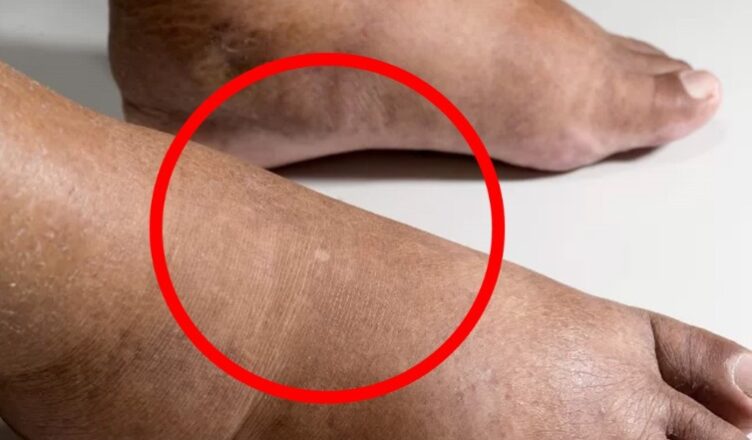
Swollen feet is a condition in which the feet become visibly enlarged or swollen due to the accumulation of excess fluid in the body tissues.
In medicine, this phenomenon is called edema and can have both completely benign and more serious causes related to the functioning of the entire body.
In many cases, swelling appears gradually and may seem like a minor inconvenience for a long time, but its regular occurrence often signals that the body is struggling with circulatory problems or fluid retention.
One of the most common symptoms is that the feet begin to look larger than usual and may appear swollen.
The skin in this area often becomes tight and sometimes even slightly shiny as fluid accumulates in the tissues causing them to stretch.
In some cases, when you press a finger on the skin, a small indentation remains for a few seconds, which slowly disappears, which is known as pitting edema.
Many people also notice that their shoes suddenly start to feel tighter than usual, even though their foot size or body weight has not changed.
These symptoms may appear sporadically, for example after a long day on your feet, but they can also sometimes indicate more serious circulatory problems.
One of the most common causes of swollen feet is standing or sitting in one position for long periods of time, which hinders the proper flow of blood and fluids in the lower parts of the body.
Hot weather also contributes to swelling because high temperatures cause blood vessels to dilate and retain more fluid in the tissues.
High salt intake can further exacerbate this problem because sodium promotes water retention in the body.
Many women also experience swollen feet during pregnancy, when hormonal changes and increased blood volume can cause fluid to accumulate in the lower limbs.
Another cause may be circulatory problems that make it harder for blood to return from the legs to the heart.
Swelling of the feet may also be associated with kidney, heart or liver diseases, as these organs are responsible for regulating fluid management in the body.
Some medications can also cause fluid retention as a side effect of treatment.
Injuries, sprains or infections that cause inflammation in the tissues can also lead to swelling.
In most cases, foot swelling is temporary and subsides with rest, but there are situations in which it may require urgent medical attention.
Particular attention should be paid to situations where swelling appears suddenly and without any apparent cause.
It can also be worrying if swelling occurs in only one foot, as this may indicate circulatory problems or thrombosis.
If the swelling is accompanied by pain, redness or a distinct feeling of warmth in the foot, it is also worth consulting a doctor as soon as possible.
Situations in which swollen feet appear together with shortness of breath or chest pain require immediate medical attention.
In addition to classic treatments, many people also look for natural methods that can help relieve swelling and improve circulation in the feet.
In such cases, medicinal herbs are often used, which have been used in natural medicine for centuries.
Some of them may support blood circulation, reduce inflammation, or help the body get rid of excess fluids.
One of the most well-known herbs that supports circulation is ginkgo biloba, which has long been used to improve blood flow in blood vessels.
This plant contains powerful antioxidants that help protect blood vessels from damage and may reduce inflammation in the body.
Ginkgo can be taken in the form of dietary supplements or applied topically in the form of creams containing its extract.
Calendula is another herb known for its anti-inflammatory properties and ability to stimulate blood circulation in the limbs.
Calendula infusions are often used in foot baths, which can bring relief to tired and swollen legs.
Just soak your feet in a warm infusion for a few minutes to feel significant relaxation and improved circulation.
Butcher’s broom, in turn, is a plant particularly valued in the treatment of circulatory problems.
It contains compounds that strengthen the walls of blood vessels and help reduce swelling in the lower parts of the body.
Preparations containing butcher’s broom can be found both in the form of capsules and creams intended for application directly to the skin of the feet.
Chamomile, which most people associate primarily with its calming effect, also has anti-inflammatory and soothing properties.
A chamomile foot bath can help reduce swelling and bring a feeling of deep relaxation after a long day.
Ginger is a root known for its warming properties and stimulating blood circulation.
Regularly drinking ginger tea or adding it to your food can support circulation and reduce inflammation in the body.
Some people also use ginger oil for foot massage, which helps stimulate circulation and reduce the feeling of heavy legs.
Witch hazel is a plant with strong astringent and anti-inflammatory properties.
Witch hazel infusions are often used as cool compresses to help reduce swelling and bring relief to tired feet.
Horse chestnut is one of the most commonly used herbs for problems related to venous circulation.
The compounds it contains strengthen blood vessels and help reduce the formation of swelling.
That is why creams and gels with horse chestnut are very popular in the care of legs prone to swelling.
Dandelion is primarily known for its diuretic effect, which helps the body remove excess fluids.
Regularly drinking dandelion infusion can support the body’s natural cleansing processes and improve circulation.
Rosemary, on the other hand, is a stimulating herb that can improve blood flow and reduce the feeling of heavy legs.
Rosemary oil is often used for foot massage because it helps relax tense muscles and stimulate circulation.
Turmeric is a spice known worldwide for its anti-inflammatory and antioxidant properties.
Regular consumption of turmeric can support the body in fighting inflammation and improve the functioning of the circulatory system.
One of the popular home remedies is preparing dandelion infusion.
To prepare it, all you need is one tablespoon of dried dandelion root and a glass of hot water.
The root should be poured with boiling water and left covered for about ten to fifteen minutes to release the active substances contained within.
After brewing, the infusion can be strained and, if necessary, sweetened with a small amount of honey or a few drops of lemon juice.
After cooling slightly, the infusion can be used for a foot bath, immersing the feet in the liquid for about fifteen to twenty minutes.
After bathing, gently dry your feet with a towel to avoid irritating the skin.
This treatment can be repeated regularly, especially on days when a feeling of heaviness or swelling occurs.
It is worth remembering, however, that despite the natural origin of herbs, you should always exercise caution when using them.
It is best to consult your doctor before starting herbal therapy, especially if you suffer from chronic illnesses or take medications.