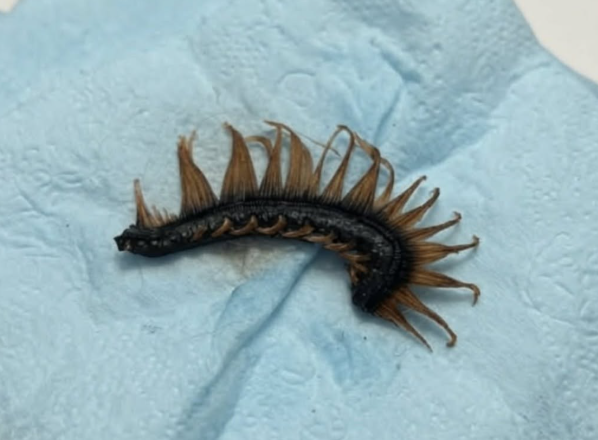
Worms are a common pest among animals and can have serious consequences for dogs, cats, and even humans. Here’s how to protect yourself from them.
To protect your pet from worms , deworming is an obvious first step.
But did you know that other solutions can also help protect you?
Deworming pets is essential . An infected cat or dog can become infected with these insects . Although it’s often believed that worms only affect animals, it’s important to remember that they can lay over 100,000 eggs and cause illness in humans . Protecting your pet, including from the heat, also protects your family. Here are some simple tips.
Dogs and cats: deworming first
Deworming is the first line of defense against worms in animals. The frequency of dosing depends on the animal’s environment and lifestyle. For example, cats, dogs, and even horses have different needs. While some animals are recommended to be dewormed monthly, for others, four doses per year will be more than sufficient.
There are several methods for deworming your pet. Try them out and see which one works best for you. You can buy tablets, which often have attractive flavors that make them easier to swallow. Disposable pipettes are also available. The liquid is applied directly to the animal’s skin using a pipette. For example, it’s recommended to apply the product to the neck or mid-shoulder area, so the animal can’t lick or scratch it. The dose is then absorbed directly into the bloodstream, eliminating migrating larvae and adult worms. If you’re unsure which product to choose, don’t hesitate to consult your veterinarian and/or pharmacist.
Intestinal worms should not be underestimated
Intestinal worms are typically more difficult to detect than fleas or ticks. However, the consequences can be just as serious, or even worse. Tapeworms, roundworms, and hookworms are several types of worms that can infest different parts of a pet’s body. Some nest in the intestines, others enter the bloodstream, and still others can reach the heart or lungs. Unfortunately, intestinal worms are a common scourge, with symptoms most noticeable in puppies and kittens.
What other methods are there to protect your pet and family from worms?
As we explained earlier, worms can spread from animals to humans. The consequences can be equally serious. Hookworms, in their larval stage on the ground, can pierce human skin and migrate. The larvae can even be seen tracing their path beneath the skin. Toxocara eggs can hatch inside the body. These larvae can reach the brain and eyes, and in some cases cause blindness and neurological disorders. Sometimes, infection occurs through simple contact with an infected animal, for example, through petting.
To reduce the risk of infection, it’s important to follow a few hygiene rules. For example, clean up your pet’s droppings immediately and check them for worms. Regularly clean your cat’s litter box with soap and water. Avoid contact with stray dogs, cats, and foxes. Do not feed your pets raw meat or offal. Do not allow them to walk on sand, where worms can thrive. Remember to wash your hands thoroughly after contact with your dog or cat, as well as after gardening. This rule also applies to children playing on the ground or in the sand
Slideshows
1/9 Deworming FirstDeworming is the first line of defense against worms in animals. The frequency of dosing depends on the animal’s environment and lifestyle. For example, cats, dogs, and even horses have different needs. While some animals are recommended to be dewormed monthly, for others, four doses per year will be more than sufficient.

2/9 What are other ways to protect your pet and family from worms? Worms can spread from animals to humans, and the consequences can be just as serious. Hookworms, in their larval stage on the ground, can burrow through human skin and migrate. You can even see the larva’s path beneath the skin. Toxocara eggs can hatch inside the body. These larvae can reach the brain and eyes, and in some cases cause blindness and neurological disorders. Sometimes, infection occurs through simple contact with an infected animal, for example, by petting.

3/9 Clean up your pet’s droppingsClean up your pet’s droppings immediately and check them for worms.

4/9 Limit contact with stray animalsAlso avoid contact with stray dogs, cats and foxes.

5/9 Wash fruits and vegetables thoroughly
Wash fruits and vegetables thoroughly before eating them; worms may be hiding inside them.

6/9 Ban on eating raw meat by animals
Do not feed your pets raw meat or offal

7/9 Keep pets away from sandboxes
Also, do not allow your pets to go onto the sand, where worms can breed.

8/9 Clean the cat litter box
Clean your cat’s litter box regularly with soap and water.

9/9 Wash your hands after contact with soil
Remember to wash your hands thoroughly after contact with your dog or cat, as well as after gardening. This rule also applies to children playing on the ground or in the sand.
