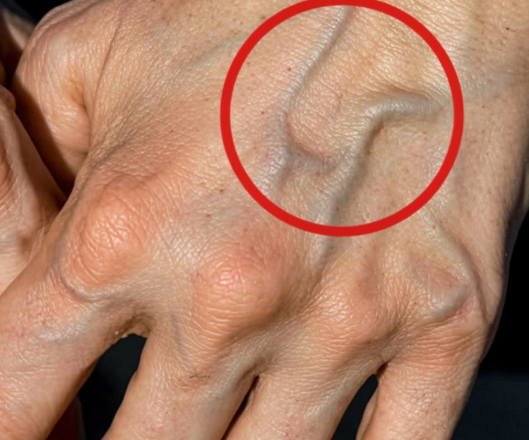
Visible veins in the hands are common and usually harmless, although they can sometimes cause unnecessary concern. Many people worry that they signal a serious problem, such as kidney disease, but this is rarely the case.
In most cases, visible veins are related to normal physical factors, not a medical condition. Understanding these causes can help reduce anxiety and confusion.
Aging is one of the main factors. With the loss of collagen and the thinning of fatty tissue beneath the skin, veins naturally become more visible over time.
Low body fat can also make veins more visible. With less lining under the skin, veins appear closer to the surface, especially in thin people.
Genetics also play a role. In some people, veins are naturally more visible due to thinner skin or differences in vein size and structure.
Exercise, heat, and even dehydration can temporarily make veins visible. These changes are usually short-lived and related to blood flow or fluid levels.
Kidney disease, on the other hand, affects internal body functions such as filtration, fluid balance, and blood pressure. Symptoms include swelling, fatigue, and changes in urination—these are not visible veins in the hands.
Generally speaking, visible veins are usually normal. If you’re concerned about your kidney health, proper testing and medical advice—not the appearance of your veins—are the most effective methods of assessment.