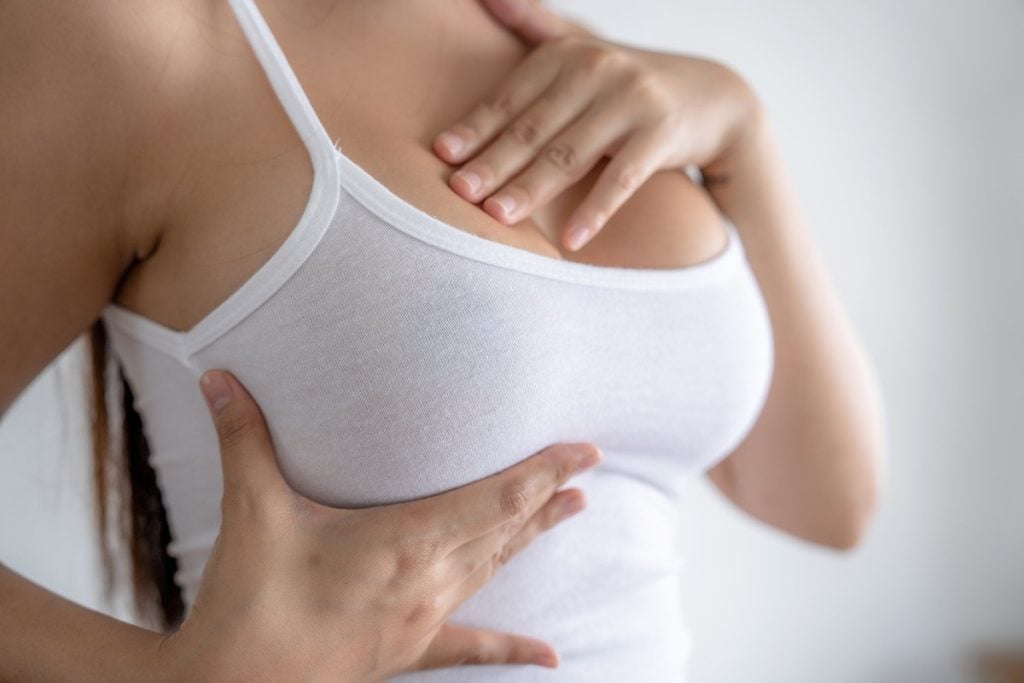
Women’s breasts have always fascinated us, both because of their biological role and their place in society and the perception of femininity.
More than just a physical characteristic, they are the subject of numerous scientific studies aimed at understanding why they retain significant volume even outside of breastfeeding.
Hormones, body changes, and cultural factors mean that women’s breasts still raise many questions.
Examination of the permanent volume of female breasts (1/11)
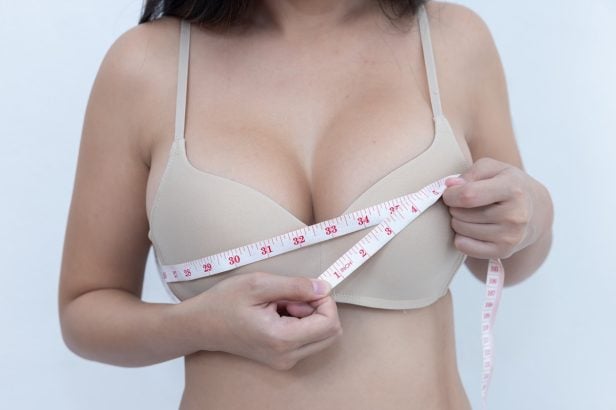
Unlike other primates, females have visible and permanently developed breasts, even when not breastfeeding. This feature has long intrigued scientists, who have attempted to explain the origins of this unique evolutionary trait in humans.
Scientists believe this trait may be related to several factors, including reproduction, energy resources, and the social evolution of the human species. Despite numerous studies, no theory has yet gained widespread acceptance.
© Shutterstock
Theories about breasts and puberty (2/11)
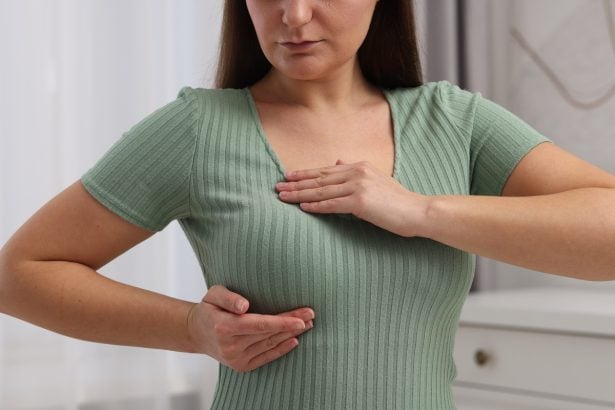
Among the hypotheses put forward, some suggest that breasts serve as a visual signal of sexual maturity and reproductive capacity. According to this theory, they gradually gained importance in interpersonal relationships and mate choice.
However, this theory remains disputed by many experts. In reality, breast development often begins during puberty, long before full physical maturity is achieved. Other researchers believe their role extends far beyond simple reproductive functions.
© Shutterstock
Socioeconomic theory of breast preference (3/11)
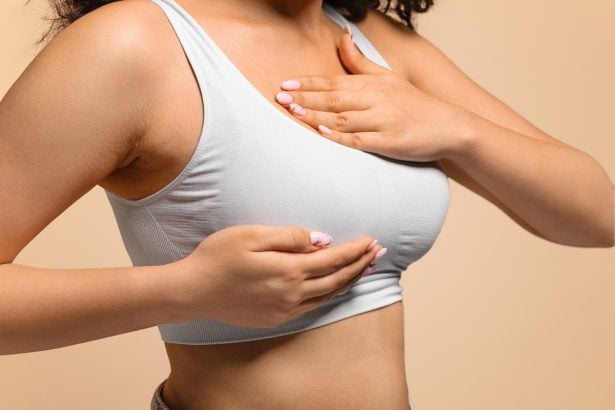
Another theory emphasizes social and economic factors. Some researchers believe that in some societies, a more developed chest would be associated with better health, greater nutritional reserves, or a greater ability to feed a child.
This perception is believed to have influenced beauty standards throughout history. However, these preferences vary significantly depending on culture, era, and social context, demonstrating that perceptions of women’s breasts are also strongly conditioned by society.
© Shutterstock
The role of breasts in breastfeeding and hormonal changes (4/11)
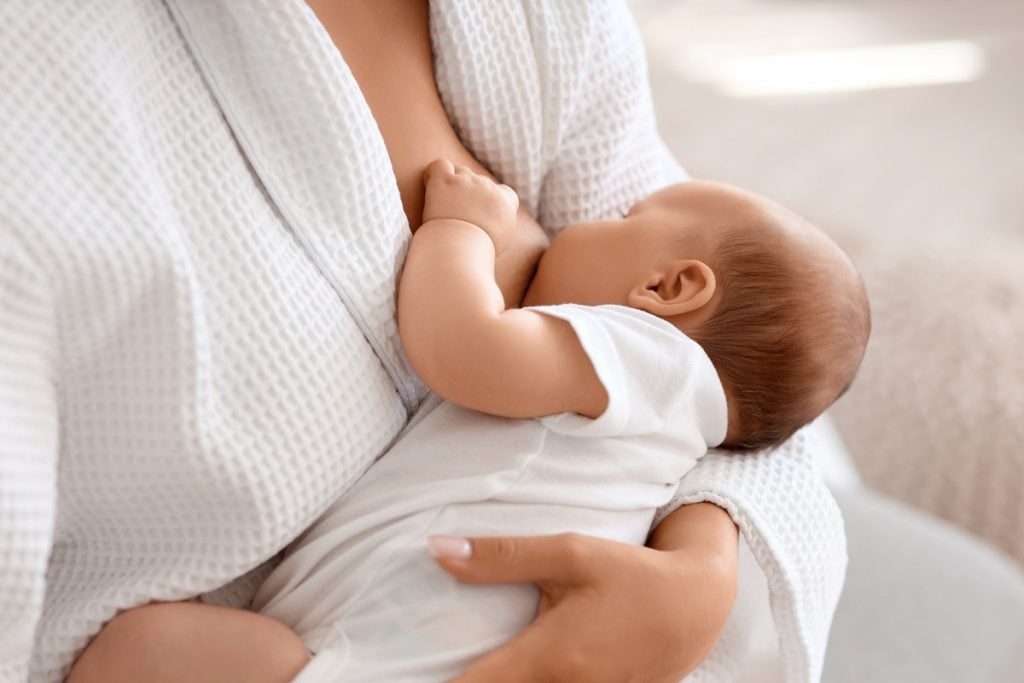
The breasts, of course, still play their primary role – breastfeeding. They consist of mammary glands, fatty tissue, and ducts that enable the production and transport of milk after birth.
Breasts change under the influence of hormones throughout life. Puberty, pregnancy, menstrual cycles, menopause, and weight gain can alter their size, sensitivity, and appearance. These changes are natural, but they can sometimes be distressing for some women.
© Shutterstock
Mastodynia and hormonal fluctuations (5/11)
Many women regularly experience a feeling of heaviness or pain in their breasts. This discomfort, called mastodynia, is typically related to hormonal fluctuations during the menstrual cycle.
Breasts may become more tender, sensitive, or swollen a few days before your period. In most cases, this pain is mild, but if it persists or becomes very intense, it’s recommended to consult a doctor.

© Shutterstock
Subjective discomfort related to heavy breasts (6/11)
The feeling of heaviness or pain in the breasts is very subjective. Some women experience virtually no discomfort, while others experience severe pain that can interfere with daily functioning.
Breast size, hormonal fluctuations, stress, or certain medical procedures can exacerbate this feeling. For some women, even exercise or sleep becomes uncomfortable.

© Shutterstock
Mastodynia and hormonal or psychological disorders (7/11)
Although hormones often play a major role in breast pain, other factors can also contribute. Stress, anxiety, or certain nervous conditions can also increase the feeling of pain or discomfort.
In rarer cases, pain may be caused by hormonal imbalances or specific health issues. Therefore, if symptoms become unusual, medical follow-up may be helpful.

© Shutterstock
Breast care and tension relief (8/11)
Breast care is crucial to minimizing pain and ensuring daily comfort. Choosing the right bra is especially important for women with larger breasts.
Certain natural methods, such as gentle massage, warm compresses, and stress reduction, can also help relieve tension. A healthy lifestyle and a balanced diet also contribute to overall well-being.

© Shutterstock
Breast pain and regular screening (9/11)
Breast pain is often a cause for concern, especially due to concerns about breast cancer. However, in the vast majority of cases, it is not related to a serious condition.
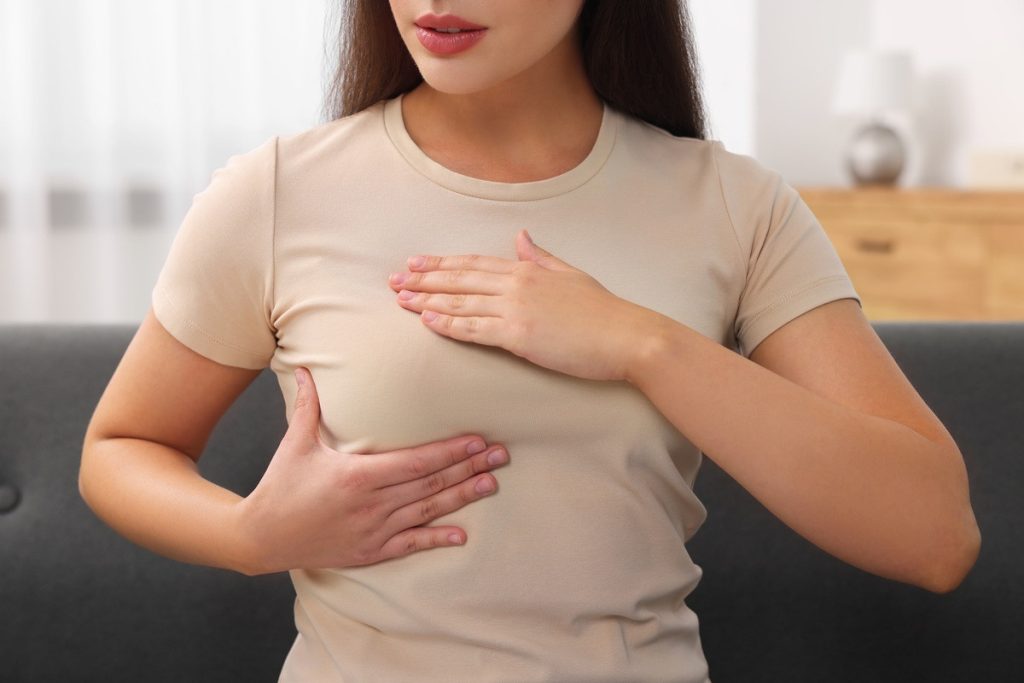
However, experts emphasize the importance of regular screening tests and self-examinations. Monitoring for lumps, unusual changes, or discharge allows for early detection of potential problems.

© Shutterstock
Continuous evolution and vigilance for breast health (10/11)
Breasts naturally change throughout life. Age, hormones, pregnancy, breastfeeding, and menopause all affect their shape, firmness, and sensitivity.
These changes are normal but require attention. Doctors recommend not ignoring persistent pain or unusual changes to maintain breast health.
© Shutterstock
Biological and Cultural Fascination with Women’s Breasts (11/11)
Women’s breasts hold a special place in history, culture, and society. They symbolize motherhood, femininity, and sometimes even the beauty standards imposed by a given era.
This fascination combines biology, psychology, and culture. Despite numerous scientific studies, breasts remain a complex topic that continues to spark curiosity and debate.