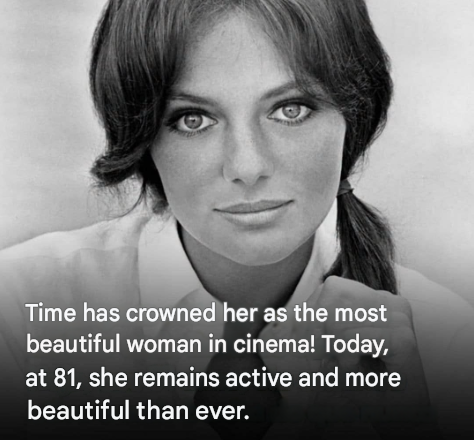
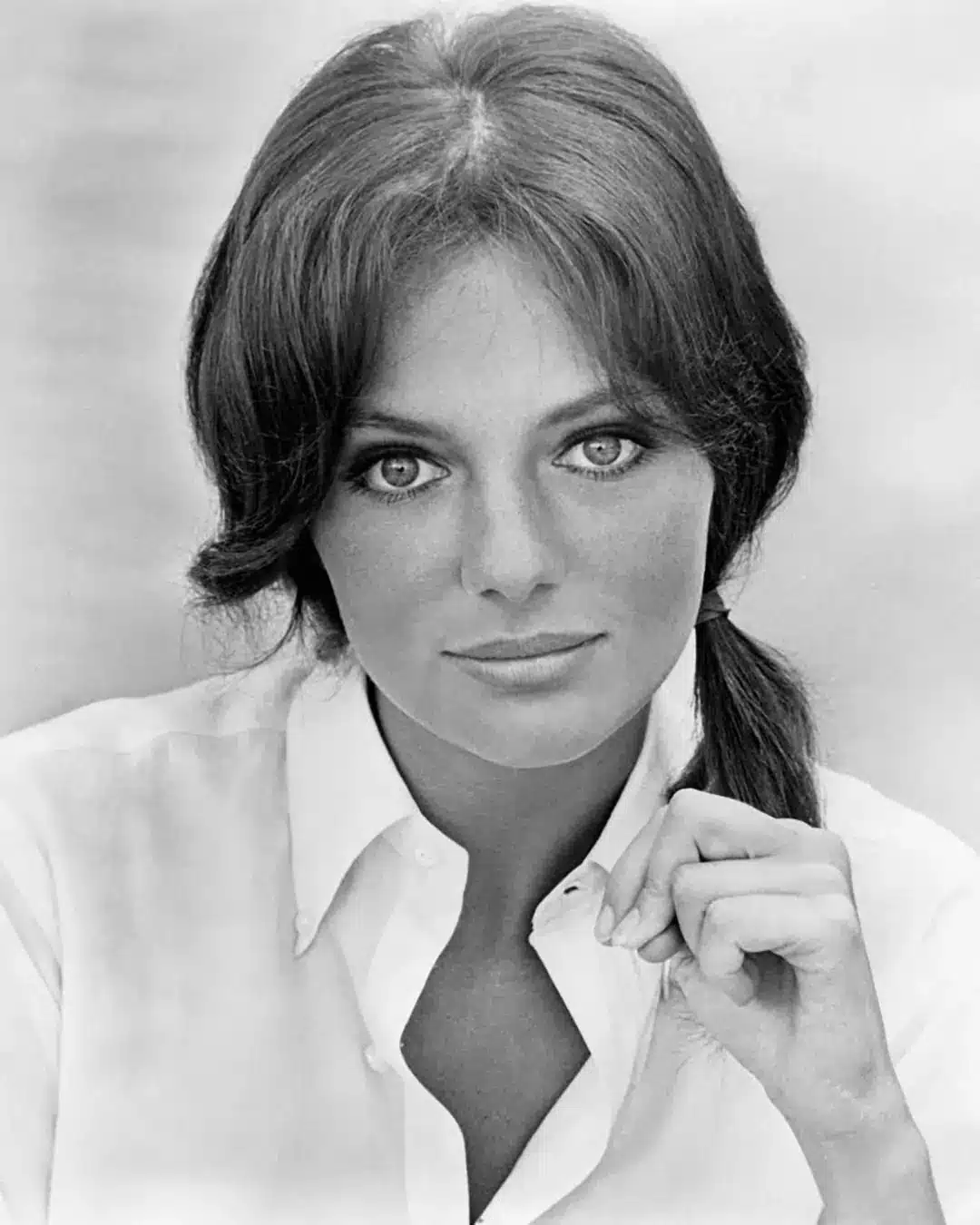
Jacqueline Bisset belongs to that rare group of classic film actresses who have spanned decades without losing their presence, charm, and relevance.
At 81 years old, the British woman remains active, preserves her own style, and continues to inspire admiration for a simple reason: she never needed to chase after formulas to maintain her image.
Ever since she began gaining recognition in film, back in the 1960s, she attracted attention for a kind of magnetism that went beyond her appearance.
Read also : What nobody tells you about showering every day after age 50
There was a firmness in her gaze, a sobriety in her acting, and an effortless elegance that set her apart from stars manufactured to conform to a standard. Over time, this trait became even stronger.
While many careers have relied on fads, Jacqueline has built a consistent filmography, marked by complex, sensual, sophisticated, and, at times, unpredictable female characters.
This variety helped solidify its name in important productions and kept it in the spotlight even with industry changes over the years.
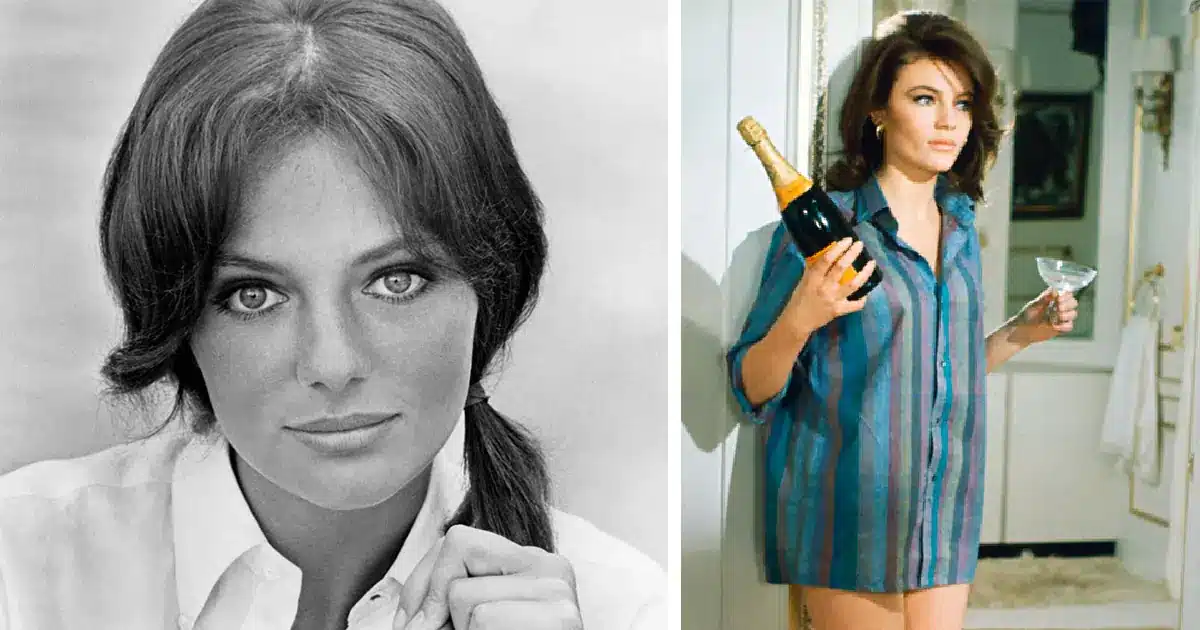
Among the actress’s most memorable works are The Detective (1968), in which she starred with Frank Sinatra, Bullitt (1968), alongside Steve McQueen, as well as Casino Royale, La Nuit Américaine, by François Truffaut, and Anna Karenina.
Decades later, she would be celebrated again with a Golden Globe for Dancing on the Edge, an award that reinforced something the public had known for a long time: talent was never a detail in her career.
Another point that keeps Jacqueline Bisset in the spotlight is her frank relationship with aging. In a field accustomed to demanding eternal youth from women, she chose to follow a different path.
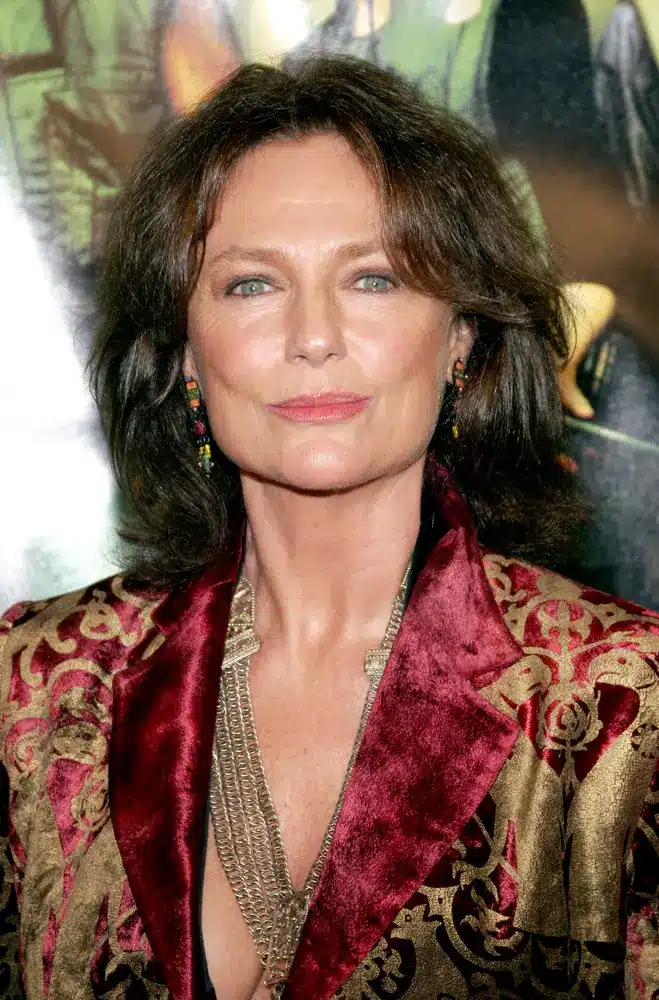
The actress has always championed a beauty linked to one’s way of life, serenity, and how each person deals with their own story. Therefore, her public image has also become an elegant response to the aesthetic pressure surrounding Hollywood.
She has spoken openly about insecurities, rejected excesses, and never turned the passage of time into a drama. On the contrary, she addressed the subject with clarity. One of her most memorable quotes came from a Golden Globe speech, when she said:
“If you want to be beautiful, forgive everyone.” The statement resonated because it aligns with how she presents herself to the world: without rigidity, without posing, and without trying to be something she’s not.
Her personal life also always deviated from the expected script for a movie star. Jacqueline had relationships with influential and well-known men, but never married.
For many people, this became a matter of curiosity; for her, it was simply a choice consistent with her own vision of freedom. The actress never hid the fact that she valued independence and saw no point in maintaining relationships out of convention.
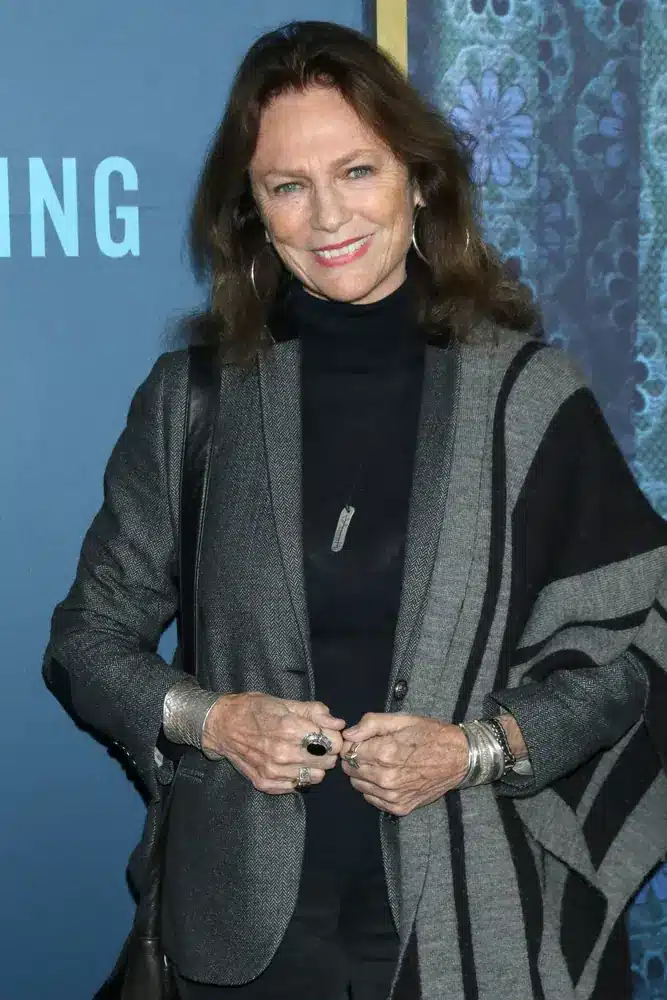
This attitude has accompanied her throughout her career. Instead of conforming to what was expected of her, she preferred to maintain her own identity, both in her professional life and off-camera.
Perhaps that’s precisely what makes her image so powerful even today: Jacqueline Bisset doesn’t seem like someone trying to preserve a glorious past, but a woman who remains comfortable with who she is.
And she continues working. A recent example is Loren & Rose, a production that reinforces her continued presence on stage and shows that her impact remains intact.
At 81, Jacqueline still chooses roles, remains admired by the public, and maintains a kind of beauty that doesn’t depend on artifice or nostalgia. It depends on personality, history, and presence—three things she has never lacked.