
Completely normal smells? (1/10)
Every woman has her own unique intimate scent, which naturally changes during the menstrual cycle.
Depending on hormonal fluctuations, sweat, stress, or diet, the odor of the vagina and vulva may change slightly.
These changes are completely normal and don’t necessarily indicate a hygiene or health problem. However, some women occasionally notice unusual intensity that can cause anxiety or discomfort in their daily lives.
© Shutterstock
What to do when intimate odors are too intense? (2/10)
When a personal scent becomes too intense, it can cause real discomfort. Many women are afraid to talk about it, thinking they’re alone in this situation. However, it’s a common problem.
Unpleasant odors can be exacerbated by heat, wearing tight clothing, or using inappropriate intimate hygiene products. In most cases, a few simple steps are enough to restore comfort and peace of mind, but if the problem persists, don’t hesitate to consult a specialist.

© Shutterstock
Where do these unpleasant odors come from? (3/10)
Contrary to popular belief, strong vaginal odor doesn’t necessarily indicate poor hygiene. There can be many causes. Hormonal changes such as pregnancy, menopause, and even ovulation naturally alter vaginal pH and can affect odor. Furthermore, sweating, sexual intercourse, certain urinary tract or gynecological infections, and excessive hygiene can also contribute to unpleasant odors. The vaginal flora’s balance is delicate, and sometimes it only takes a little to disrupt it.

© Shutterstock
When should we worry? (4/10)
It’s important to watch out for certain symptoms. If you experience itching, burning, or yellowish or grayish discharge with a strong odor, this may indicate bacterial vaginosis.
This condition, caused by an imbalance in vaginal flora, is characterized by an increase in pH and the proliferation of certain bacteria. In this case, consultation with a doctor or gynecologist is recommended for appropriate treatment. A prompt diagnosis can help alleviate symptoms and restore the natural balance of the vaginal microbiome.

© Shutterstock
Change your wardrobe (5/10)
Tight clothing can promote bacterial growth, preventing the skin from breathing. Tight jeans, leggings, and tight pants trap moisture and heat, creating an environment conducive to vaginal flora imbalances. To protect your vaginal flora, choose loose, breathable clothing made from natural materials like cotton or linen. These fabrics provide better ventilation and reduce the risk of irritation and unpleasant odors.

What underwear should I choose? (6/10)
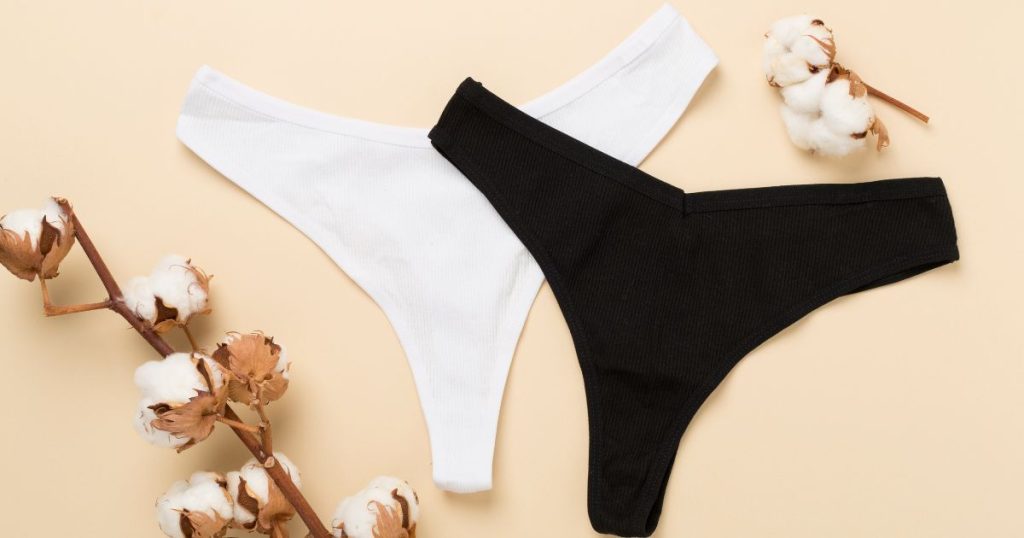
The choice of underwear plays a crucial role. Panties made from synthetic materials like polyester or non-breathable lace retain moisture and promote unpleasant odors. Therefore, experts recommend choosing cotton, preferably organic.
This material absorbs sweat better and allows the skin to breathe. Furthermore, to maintain optimal hygiene, it’s necessary to change underwear daily, and in cases of heavy sweating or bacterial vaginosis, even several times a day.
© Shutterstock
Which hygiene products are worth choosing? (7/10)
Overly aggressive intimate hygiene can disrupt the vaginal flora. Therefore, it’s not recommended to use the same soap as the rest of your body. Conventional shower gels are often overly perfumed or too acidic. Instead, choose a gentle intimate wash with a neutral or slightly acidic pH (around 5.5) that doesn’t contain alcohol or dyes. These products respect the natural balance of the intimate area and prevent irritation. Conversely, vaginal douches should be avoided, as they disrupt the vaginal flora.

© Shutterstock
Do odors intensify tenfold during menstruation? (8/10)
Periods can sometimes increase unpleasant odors, but this is usually temporary. Menstrual blood has a natural odor that shouldn’t be unpleasant. Regular washing, good hygiene, and frequent changes in sanitary products are enough to minimize discomfort. However, blood can alter vaginal pH and promote the growth of certain bacteria, such as Gardnerella vaginalis . If unusual odors persist after menstruation, consult a doctor.

© Shutterstock
Should you worry about a yeast infection if you have vaginal odor? (9/10)
Contrary to popular belief, vaginal yeast infections do not cause unpleasant odors. They typically present with itching, burning, and a thick, whitish discharge. If these symptoms are accompanied by a strong odor, it is most likely bacterial vaginosis (BV). Therefore, a correct diagnosis is essential before using antifungal treatment. If in doubt, it is best to consult a doctor rather than attempting self-medication.
© Shutterstock
Let go of the pressure! (10/10)
Intimate odors are an integral part of a woman’s natural bodily functions. Trying to eliminate them at all costs is a common mistake. Excessive hygiene weakens the vulva and destroys its protective bacterial flora, increasing the risk of infection. If natural vaginal odor bothers you, a few simple steps are often enough: wear breathable clothing, wash once a day with a gentle product, dry the intimate area thoroughly, and eat a balanced diet. In short, listen to your body and trust it: it knows how to regulate itself.

© Shutterstock
Intimate odors, while sometimes unsettling, are simply a reflection of the delicate balance of a woman’s body. By gently and regularly caring for the bacterial flora in your intimate area, you can maintain its natural freshness while respecting your body. The key is not to panic, listen to your body, and, if necessary, consult a specialist.