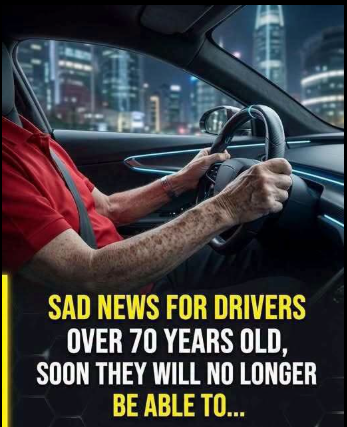
Behind every policy debate about aging drivers is a private, quiet heartbreak: the moment someone who once drove others everywhere must be driven themselves. Governments, forced to respond to tragic collisions and stark statistics, are tightening renewal rules, adding medical and vision checks, and exploring cognitive testing. Yet raw data cannot measure what it feels like to hand over the keys and feel your world get smaller.
Families are being pushed into roles they never wanted—part advocate, part enforcer, part caregiver—trying to protect loved ones without humiliating them. Thoughtful solutions focus on respect: honest conversations long before a crisis, voluntary driving assessments, conditional licenses that allow limited, safer driving, and serious investment in accessible public transport. The real challenge is not choosing between freedom and safety, but designing a future where aging does not automatically mean isolation, and where dignity can share the road with pro‑tection.