France has long been considered one of the most important places for reptile diversity in Europe, and its landscape supports the presence of many species that still remain mysterious to many people.
The diverse environment – from mountains to damp valleys – means that over forty species of snakes can be found there, making this country a unique place for wildlife viewing.
Some consider them fascinating creatures, while others see them as a cause for concern, but the truth is that their presence says much more about the state of the environment than you might think.
This is why the RANA project, run by France Nature Environnement Nouvelle-Aquitaine, was created, with the aim of protecting reptiles and amphibians and better understanding their role in nature.
This initiative focuses particularly on endangered species, such as the viper, whose population is clearly declining in some regions.
To effectively protect these animals, the ability to recognize them is crucial, as many people react with fear simply because they cannot distinguish a harmless snake from a potentially dangerous one.
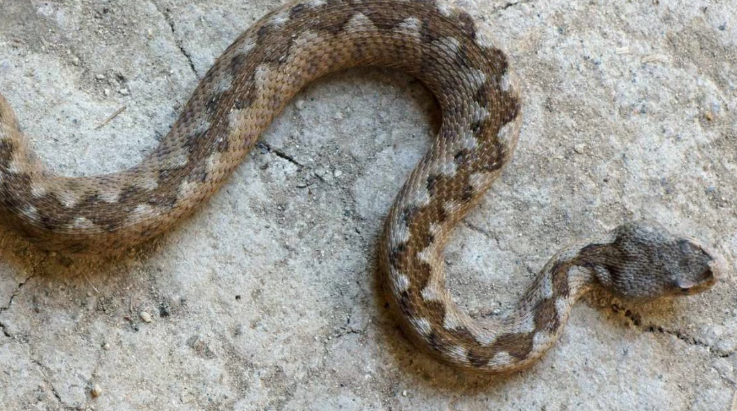
Vipers can be recognized by their characteristic triangular head, vertical pupils, and stockier build, which distinguishes them from other, often completely harmless species.
Contrary to popular belief, these snakes are not aggressive and only attack when they feel directly threatened, so the most important thing is to remain calm and avoid provoking them.
Encountering a snake in the garden or on a walk does not mean danger, but rather a sign that the environment around us is in good condition and promotes natural balance.
These animals play an extremely important role as they help control populations of rodents and other small pests that can cause damage both in nature and in households.
Unfortunately, despite their usefulness, many snake species are legally protected because their numbers are declining due to human activity.
Intensive agriculture, habitat destruction and a lack of public awareness make their future increasingly uncertain.
That is why it is so important to educate people and change the way we perceive these animals, which have been surrounded by myths and unjustified fear for centuries.
In fact, most snakes avoid contact with humans and prefer to hide rather than confront them.
Learning to coexist with them does not require major changes, only an understanding of their nature and adapting our environment in a way that does not disrupt their lives.
Simple actions, such as maintaining natural corners in the garden or limiting the use of chemicals, can significantly impact their survival.
Observing them from a distance and with respect allows us to see their true role in the ecosystem, instead of treating them solely as a threat.
The future of these species depends not only on environmental organizations, but also on the everyday decisions of people.
Everyone can contribute to their protection by changing their attitude and refraining from unnecessary aggression towards wild animals.
Snakes, though often underestimated, are an important part of nature, and their presence reminds us how important balance is in the world we share.