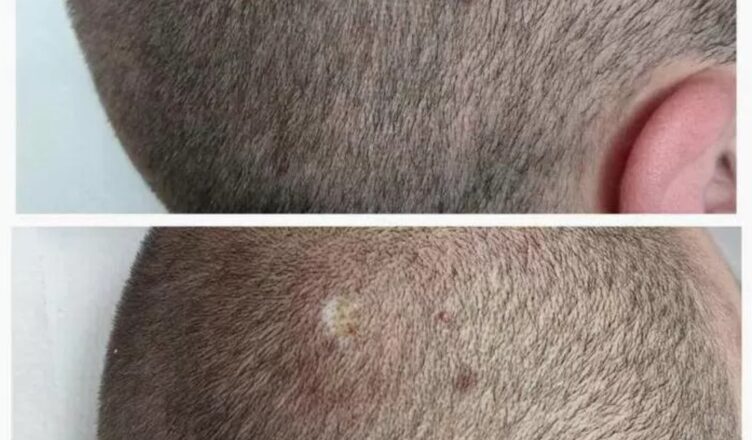
Finding strange pimples on your child’s head can be alarming, especially if the next doctor’s appointment is still a few weeks away.
As a parent, you are naturally concerned about your baby’s health and comfort, and you may also be concerned about what these lumps mean.
In this post, we’ll look at the different causes of scalp lumps, from common conditions like folliculitis to more serious issues that require prompt intervention.
Understanding these factors allows you to make informed decisions and offer your child the best possible care until you see a doctor.
- Understanding scalp lumps: common causes.
Scalp lumps can have various causes, and identifying the underlying problem is crucial for effective treatment. Common causes include folliculitis, sebaceous cysts, and boils. Folliculitis is inflammation of the hair follicles, often caused by bacterial or fungal infections, and manifests as small, red, itchy pimples. Sebaceous cysts are benign lumps filled with sebum that appear as smooth, spherical pimples beneath the skin.
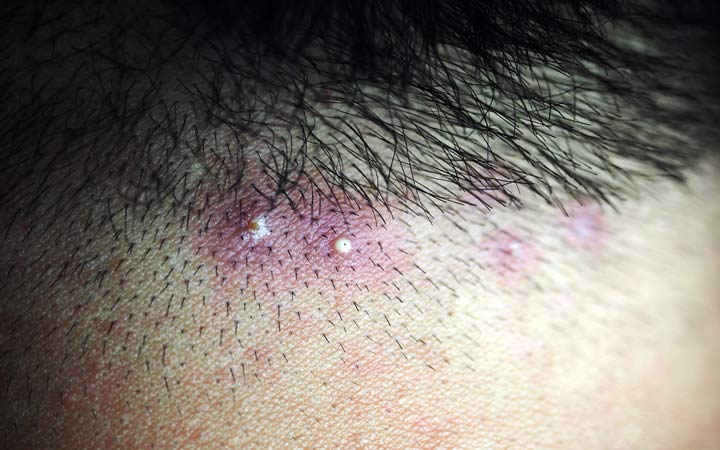
Boils, also known as furuncles, are painful, pus-filled masses caused by bacterial infections, most commonly Staphylococcus aureus. They can grow to be more than 2 cm long, requiring medical attention. Other causes of lumps on the scalp include allergic reactions, insect bites, and dermatological conditions such as psoriasis and eczema. Understanding these options will help you narrow down the problem and decide on the best course of action.
- Identification of scalp folliculitis.
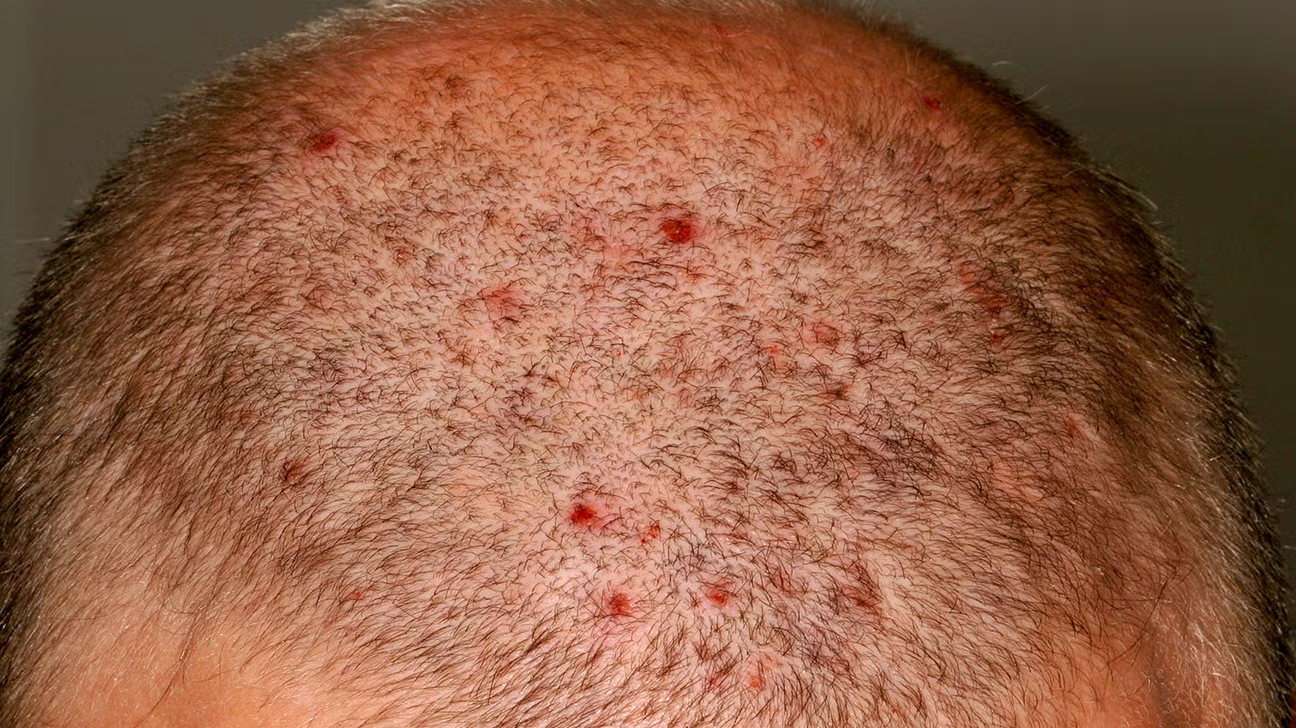
Folliculitis of the scalp is characterized by small, red, itchy bumps surrounding hair follicles. It can be caused by bacterial, fungal, or viral infections, as well as irritation from hair products or tight hairstyles. The bumps may contain pus and are painful to the touch. If left untreated, folliculitis can cause hair loss or scarring.
Carefully examine the pimples for signs of inflammation and pus to confirm folliculitis. If your child repeatedly scratches their scalp or complains of itching, folliculitis may be the cause. Keeping the scalp clean and avoiding irritants can help prevent and treat this condition.
Recognizing scalp ulcers.
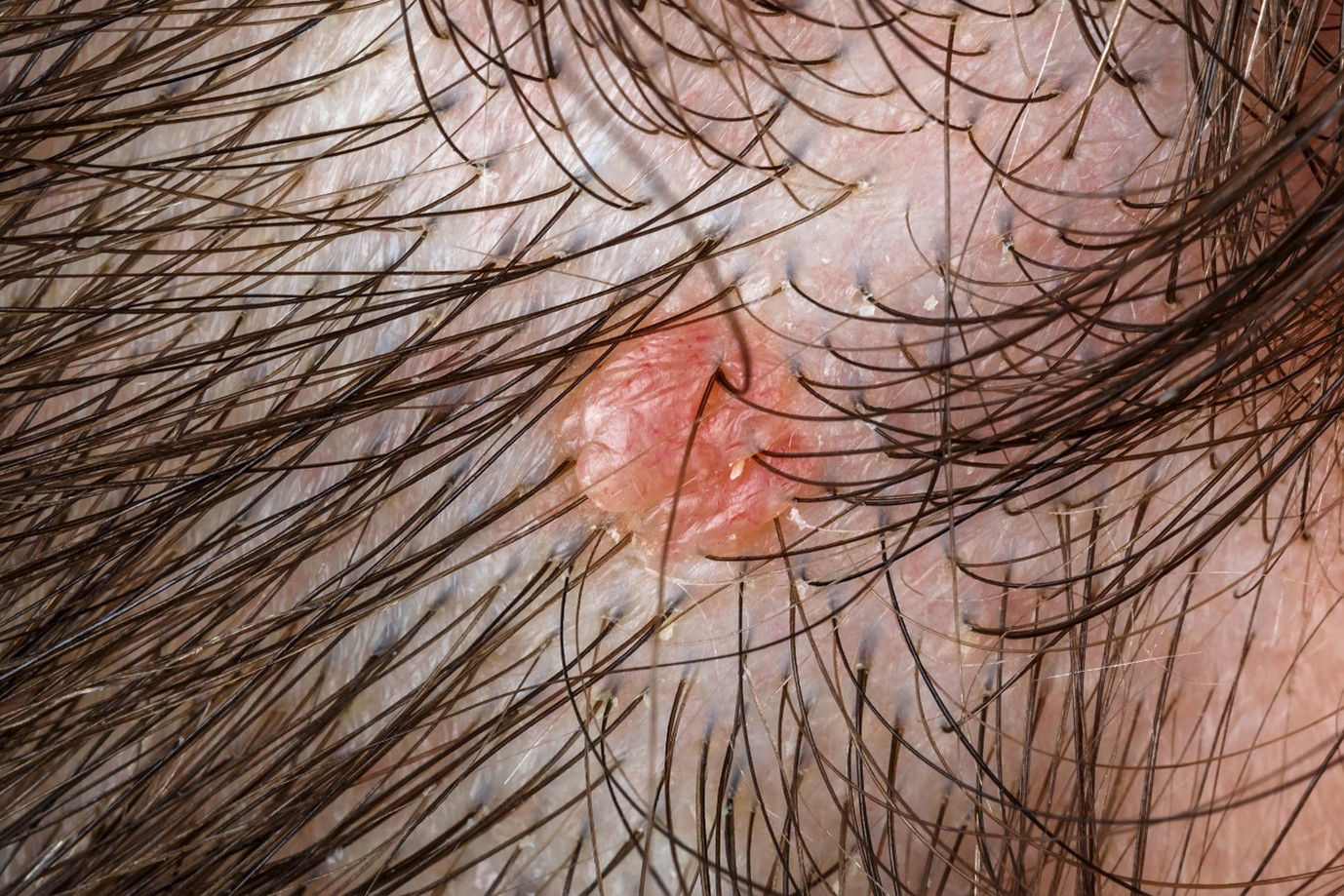
Boils, also known as furuncles, are painful, pus-filled masses caused by bacterial infection of hair follicles. They often begin as red, painful lumps that slowly expand and fill with pus. Boils can be very uncomfortable and cause swelling in the area. They are often larger than 2 cm in diameter and may appear singly or in clusters.
- When to seek immediate medical attention
While many scalp lumps are harmless and can be treated at home, other symptoms require prompt medical attention. If your child experiences significant discomfort, fever, or swelling extending beyond the scalp, seek immediate medical attention. Furthermore, if the lumps rapidly increase in size or number, or if they are accompanied by symptoms such as difficulty breathing or swallowing, seek immediate medical attention.
- Home remedies for painful lumps on the scalp
Several home remedies can help relieve the discomfort caused by pimples on the scalp. Warm compresses can ease discomfort and facilitate drainage of pus-filled pimples. A solution of diluted tea tree oil, which has antibacterial properties, can be applied to the scalp to reduce inflammation and infection.
Aloe vera gel is another soothing option that relieves itching and discomfort. Avoid letting your child scratch the bumps, as this can worsen the condition and lead to infection. Keeping the scalp clean and using gentle, hypoallergenic shampoos can also help soothe the scalp.
- How hygiene can help prevent scalp problems
Good cleaning products are essential for preventing scalp problems. Encourage your child to wash their hair regularly with a mild, sulfate-free shampoo to remove dirt, oil, and sweat. Avoid sharing personal items like combs, hats, and towels, which can spread diseases.
Make sure your child rinses their hair thoroughly to remove any shampoo or conditioner residue, as this can irritate the scalp. If your child plays sports or engages in activities that cause sweating, regular showers and scalp cleansing can help prevent folliculitis and other conditions.
Popular Viral Tricks: Do They Really Work?
With the rise of social media, some viral tricks claim to cure scalp disorders overnight. However, caution is advised. Some common treatments, such as using apple cider vinegar or baking soda, can disrupt the scalp’s natural pH and cause discomfort.
While some home remedies may provide temporary comfort, they are not an alternative to evidence-based therapy. Always verify the safety and effectiveness of any home remedy before using it on your child, and if in doubt, consult a healthcare professional.
- How to prepare for a doctor’s appointment
To get the most out of your doctor’s visit, write down a list of your child’s symptoms, noting when they started and any changes over time. Note any home remedies you’ve tried and their results. Take clear photos of the lumps to show your doctor, especially if their appearance changes.