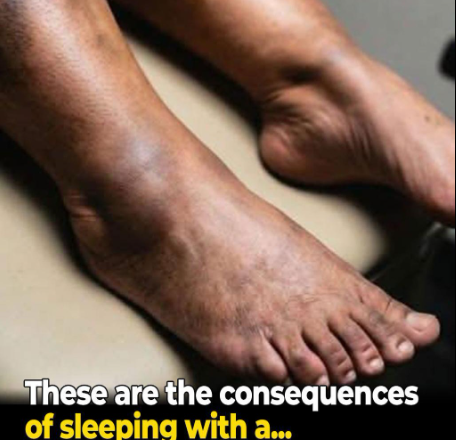
High blood pressure is often described as a silent threat inside the body. People typically connect it with heart attacks or strokes that strike without much warning. However, the same raised pressure that strains deep arteries also reaches vessels just beneath the skin.
Over time, that constant force can change how blood flows through tiny capillaries. It also affects how quickly the skin recovers from everyday scrapes or irritation. Your skin can therefore become a sensitive barometer of what is happening inside your circulation.
“High blood pressure occurs when the force of blood flowing through your blood vessels is consistently too high.” That definition comes from the American Heart Association. That force does not stop at vital organs tucked safely inside the chest. It pushes through the entire vascular tree and eventually reaches the most delicate branches in the skin.
For some people, the first warning signs may be easier bruising or leg rashes that refuse to settle. Others notice that their skin looks dull and feels fragile. Even small irritations then cause outsized redness or discomfort. Understanding the links between high blood pressure and the skin helps people notice early clues and protect their barrier. It also encourages clearer conversations with clinicians about everyday symptoms that might seem unimportant. Managing blood pressure is not only about preventing distant future problems. It also shapes how energetic you feel and how quickly your skin heals. Over time, these changes can influence how confident you feel in your own body. This article explores those links so readers can see why the skin deserves careful attention as blood pressure changes.
How high blood pressure damages the vessels the skin depends on
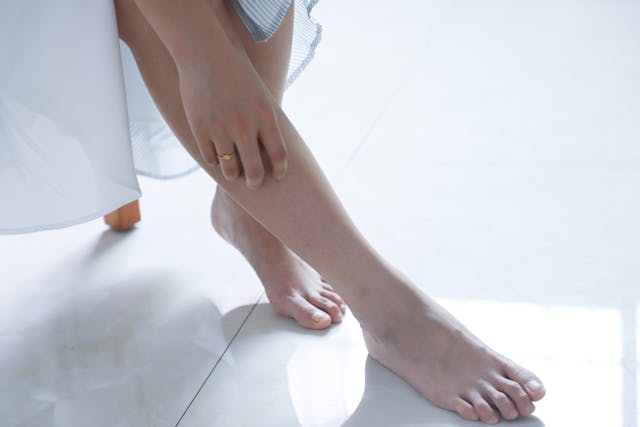
High blood pressure acts on blood vessels every second of the day. When that pressure stays elevated, it gradually injures the delicate lining of arteries and arterioles. The American Heart Association notes that when blood pressure stays high, it can damage the walls of blood vessels and trigger plaque buildup over time. This process narrows vessels and makes them stiffer. The smallest branches that feed the skin have very thin walls, so they feel this strain quickly.
Researchers in a 2024 review on hypertensive microvascular disease explain that “hypertension exerts a profound impact on the microcirculation, causing both structural and functional alterations that contribute to systemic and organ-specific vascular damage.” The skin sits at the very edge of this system. When resistance in tiny vessels rises, less oxygen and fewer nutrients reach the outer layers. Over the years, that can mean skin that looks dull, feels cooler in certain spots, or reacts badly to minor injuries.