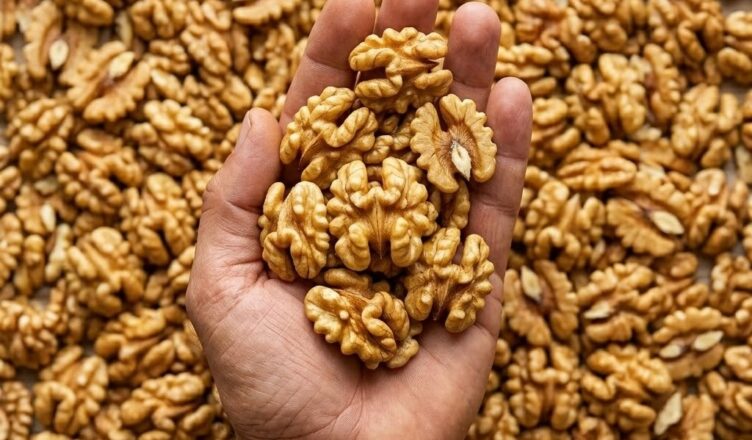
Engaging Introduction
Let me tell you about the nut that almost broke my skepticism.
For years, I rolled my eyes at “superfood” claims. Everything is a superfood now. Kale. Blueberries. Quinoa. Avocados. It feels like every week there’s a new article telling you that if you’re not eating some obscure berry from the Amazon, you’re basically failing at life.
So when a friend told me I should eat more walnuts, I nodded politely and ignored her.
Then I started reading the actual research. Not blog posts. Not influencer testimonials. Peer-reviewed studies, meta-analyses, clinical trials. And I’ll be honest—I was stunned.
Walnuts aren’t trendy. They’re not expensive. They’re not exotic. They’ve been sitting in the bulk bins at your grocery store forever, quietly waiting for you to notice them. And the science behind them is genuinely impressive.
We’re talking about a food that can improve your cholesterol, support your brain as you age, feed the good bacteria in your gut, and even help with weight management—all for about 20 calories per nut.
This isn’t hype. This is decades of research.
So let me walk you through what the science actually says about walnuts: the proven benefits, the right amount to eat, and a few things you should know before you start eating them by the handful.
What Makes Walnuts Different from Other Nuts?
Let’s start here. All nuts are healthy. Almonds, pistachios, cashews, pecans—they’re all packed with nutrients.
But walnuts are different in one crucial way: they’re the only nut with a significant source of alpha-linolenic acid (ALA) , a plant-based omega-3 fatty acid.
Most people think of omega-3s as coming from fish (salmon, mackerel, sardines). And that’s correct. But walnuts offer a plant-based alternative. One ounce of walnuts (about 14 halves) contains 2.5 grams of ALA—that’s more than double the daily adequate intake for adults.
Why this matters: Omega-3s are essential fats. Your body can’t make them. You have to get them from food. And most people don’t eat enough.
Walnuts also have the highest antioxidant content of any nut. The skin of the walnut (the slightly bitter, papery layer) is packed with phenolic compounds and flavonoids that you don’t get from blanched or shelled nuts.
The Science-Backed Health Benefits of Walnuts
Let me walk you through what the research actually shows. I’ve focused on the benefits with the strongest evidence.