It often begins with a simple goal. Someone looks in the mirror and decides to make a small change. Maybe it is to smooth the skin, restore volume, or enhance facial contours. Modern aesthetic treatments promise subtle, natural-looking improvements, and for many people, they deliver exactly that.
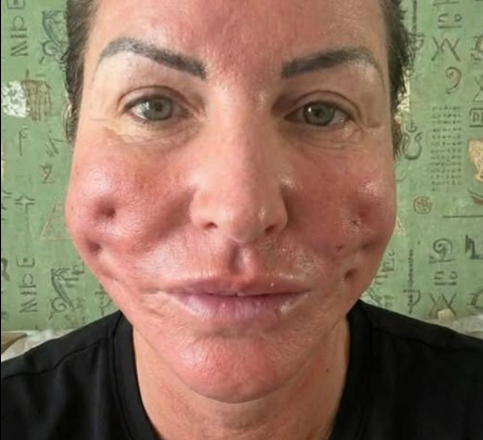
But occasionally, stories surface online showing unexpected outcomes after cosmetic procedures. Images spark curiosity, concern, and debate. What happened? Was it the treatment, the technique, or something else entirely?
While such cases can appear alarming at first glance, it is important to approach them with balance. Not every unusual result represents a typical experience. Instead, these situations offer an opportunity to better understand both the science behind cosmetic treatments and the cultural meanings we attach to beauty.
The Rise of Cosmetic Enhancements
In recent years, non-surgical aesthetic procedures have grown rapidly around the world. Treatments involving dermal fillers have become especially popular due to their convenience and minimal recovery time.
According to the American Society of Plastic Surgeons, millions of filler procedures are performed each year. These treatments are commonly used to:
Restore facial volume
Reduce the appearance of lines
Enhance lips or cheek contours
Create a more balanced facial profile
For many individuals, these procedures are safe and effective when performed by qualified professionals.
What Are Fillers and How Do They Work?
Dermal fillers are substances injected beneath the skin to add volume or structure. The most common type uses hyaluronic acid, a substance naturally found in the body.
Medical sources like the Mayo Clinic explain that fillers work by attracting water and creating a plumping effect in targeted areas.
When applied correctly, results can look subtle and natural. However, the outcome depends on several factors, including:
The type of filler used
The skill of the practitioner
The placement and depth of injection
The individual’s unique anatomy
When Outcomes Are Not as Expected
While most procedures proceed without complications, there are instances where results differ from expectations. These situations are often referred to as aesthetic complications.
It is important to clarify that complications can vary widely in severity. Many are temporary and manageable, especially when identified early.
Potential concerns may include:
Uneven texture or swelling
Localized irritation
Formation of small nodules under the skin
Prolonged redness or sensitivity
In rarer situations, more complex reactions may occur, particularly if unapproved substances are used or if procedures are performed outside regulated medical environments.
The Role of Technique and Expertise
One of the most significant factors in cosmetic outcomes is practitioner expertise.
Organizations such as the World Health Organization emphasize the importance of trained professionals and regulated practices in medical procedures, including aesthetics.
Precision is critical in filler treatments. The face contains intricate networks of blood vessels, nerves, and soft tissue layers. Proper technique ensures that the filler integrates smoothly without affecting surrounding structures.
When procedures are performed without adequate training, the likelihood of complications may increase.
Cultural Perspectives on Beauty and Enhancement
To fully understand the conversation around cosmetic treatments, it is important to explore the cultural context.
Throughout history, beauty standards have evolved across societies. From ancient skincare rituals to modern aesthetic clinics, humans have long sought ways to enhance appearance.
In many cultures, smooth skin and balanced facial features are associated with youth, vitality, and confidence. This cultural influence helps explain why cosmetic procedures have become more mainstream.
At the same time, public perception can shift quickly. When unusual outcomes appear online, they often become widely discussed, sometimes without full context.
Myth Versus Reality in Viral Stories
Images of unexpected cosmetic results often circulate widely on social media. These images can generate strong reactions, but they do not always tell the complete story.
Common myths include:
That all fillers produce dramatic changes
That complications are the norm rather than the exception
That outcomes are entirely predictable
Scientific evidence suggests otherwise. Most procedures, when performed properly, result in subtle and temporary changes.
Extraordinary cases, while real, are relatively uncommon and often involve additional factors such as:
Use of non-medical substances
Lack of professional oversight
Delayed follow-up care
The Science Behind Complications
From a medical standpoint, complications occur when the body reacts in an unexpected way or when the procedure affects surrounding tissues.
According to guidance from the Centers for Disease Control and Prevention, the body’s response to foreign substances can vary based on individual sensitivity and environmental conditions.
Possible mechanisms include:
Inflammatory responses to injected material
Improper placement of filler leading to uneven distribution
Interaction with existing tissue structures
Delayed reactions due to immune system activity
These responses highlight the importance of personalized care and medical supervision.
Prevention and Safe Practices
The good news is that many complications can be minimized through careful planning and professional guidance.
Key recommendations include:
Choosing licensed and experienced practitioners
Using approved and well-studied materials
Following pre- and post-treatment instructions
Attending follow-up appointments
Education also plays a critical role. Understanding the procedure, expected results, and potential risks allows individuals to make informed decisions.
A Balanced Perspective on Aesthetic Treatments
It is easy to focus on extreme cases, especially when they attract attention online. However, a balanced perspective is essential.
Cosmetic procedures, including fillers, exist on a spectrum. For many people, they are a safe and effective way to achieve desired aesthetic goals.
At the same time, these treatments are medical procedures, not casual beauty trends. They require expertise, care, and respect for individual health.
The Role of Media and Public Awareness
Media coverage plays a powerful role in shaping public understanding.
When stories emphasize dramatic outcomes without context, they can create unnecessary fear or misunderstanding. On the other hand, responsible reporting can help educate audiences about both benefits and risks.
Public awareness campaigns by organizations like the American Society of Plastic Surgeons aim to promote informed choices and safe practices.
Conclusion: What These Stories Teach Us
Stories about cosmetic complications often capture attention because they touch on something deeply human. They reflect our desire for self-improvement, our curiosity about transformation, and our concern for safety.
At their core, these stories are not just about appearance. They are about decision-making, trust, and the relationship between science and personal choice.
Human curiosity drives us to explore the unknown, to ask questions, and to seek understanding. When we approach such topics with balance and evidence, we move beyond fear and toward knowledge.
In the end, the most valuable takeaway is simple: informed choices, guided by science and supported by qualified professionals, remain the foundation of safe and effective care.