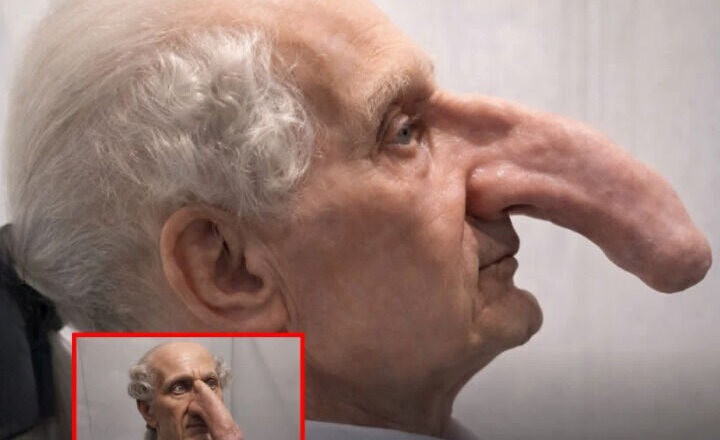
In his mind, he was the clever one in the relationship—the strategist, the one who could bend the truth just enough to slip through consequences without ever being caught. He had convinced himself that small lies were harmless, almost necessary even. White lies about where he had been. Half-truths about who he was with. Carefully edited versions of reality that made his life easier and kept his conscience quiet enough to ignore.
And for a while, it worked.
He would come home late and offer simple explanations that sounded just believable enough not to question. He would smile at his wife, confident that she accepted his words at face value. In his mind, she was trusting. Predictable. Easy to manage.
What he never realized was that silence is not ignorance.
His wife wasn’t naïve. She wasn’t blind. She was observant in a way he never bothered to respect. While he was busy crafting stories, she was quietly collecting patterns. While he assumed she believed him, she was noting inconsistencies. Times didn’t match. Details shifted. Stories contradicted themselves when replayed weeks later.
And slowly, something shifted inside her—not loudly, not dramatically, but deliberately.
She stopped confronting him immediately. Instead, she started understanding him.
She learned his habits the way one studies weather before a storm. She noticed how he always checked his phone before answering questions. How certain names made him hesitate for half a second too long. How his confidence increased when he thought he had successfully fooled her, revealing more than he realized in his relief.
And while he believed he was building a secret life, she was building something far more precise: a map of every deception.
The man, of course, remained proud of himself. He thought he was outsmarting her. In reality, he was only giving her time—time to prepare, time to plan, time to decide exactly how the truth would eventually come out.
Because she had already reached a point where she no longer wanted arguments. She didn’t want emotional outbursts or late-night confrontations filled with denials and excuses. She wanted clarity. Structure. A consequence that matched the careful effort he had put into his lies.
So she created her own plan.
It wasn’t impulsive. It wasn’t driven by anger in the moment. It was patient, calculated, and quiet—the kind of plan that forms when someone has already decided they will no longer be disrespected.
She confirmed everything first. Every suspicion he thought was hidden. Every contradiction he believed she had missed. Every moment he assumed was forgotten.
And once she had the full picture, she stopped reacting entirely.
That was when he began to feel something unfamiliar: comfort. He mistook her calmness for acceptance. He believed he had won whatever invisible game he thought they were playing. He relaxed even more, convinced that his deception had been successful.
That was his final mistake.
Because her silence wasn’t forgiveness—it was completion.
When she finally acted, it wasn’t chaotic. It wasn’t emotional. It was precise, structured, and unavoidable. She presented the truth in a way he couldn’t twist, couldn’t deny, and couldn’t talk his way out of. Every lie he had told was already documented in ways he never anticipated.
The same man who once prided himself on being clever suddenly found himself trapped in every version of his own dishonesty.
And in that moment, he understood something too late:
He was never the smartest person in the house.
He was simply the one who spoke the most, while she was the one who understood everything in silence.
What he thought was a game of deception had actually been a slow unveiling of consequences he had built himself—one lie at a time.
And when the truth finally arrived fully formed in front of him, there was no clever explanation left to save him from it.