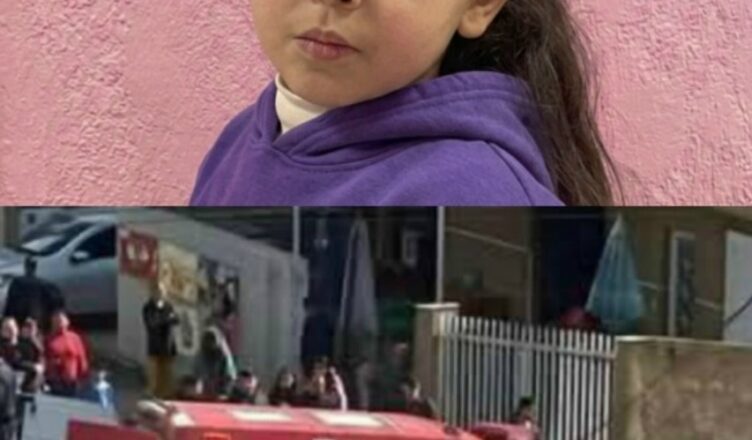
The disappearance and death of Perla Alison, a 10-year-old girl from the Santa Marta Acatitla neighborhood in Mexico City, shocked the country and reignited a heated debate about violence against girls and women. What began as a routine case ended in a tragedy that left the community in a vulnerable position and the nation demanding accountability for the perpetrators.
Pearl was last seen leaving her home to buy candy at a nearby store—an activity so routine it was barely considered risky. She never returned. When hours passed and she was nowhere to be found, her family notified authorities, launching a frantic search that would last four days. Posters bearing her image appeared on walls and lampposts. Neighbors formed search parties. Social media was flooded with requests for information. A “Yellow Alert” was issued nationwide amid fears that something terrible had happened.
For days, hope and fear coexisted uneasily. Volunteers combed the streets, alleys, and wastelands. Police expanded the search area, while family members waited for any news, clinging to the possibility of finding Pearl alive. With each passing hour, anxiety grew, especially in a city where the disappearance of women and girls is a painful and common reality.
The search ended in the worst possible scenario.
Perla’s body was found near the Constitución de 1917 metro station after a resident reported a strong, disturbing odor. Authorities confirmed the remains as those of the missing child and said there were “visible signs of violence.” This confirmation dashed hopes and sparked panic among family and neighbors.
Prosecutors immediately launched an investigation into the charge of femicide, the most serious gender-based homicide in Mexico. Initial findings indicated that Perla had been the victim of physical violence and abuse. Officers described the case as serious and prioritized immediate action, given both the scale of the crime and its broader implications.
Investigators began analyzing surveillance footage from surrounding streets and traffic areas, reconstructing Perla’s last known whereabouts. Police interviewed neighbors, shopkeepers, transportation workers, and anyone who may have seen her in the hours after she left her home. The area around the metro station was cordoned off while forensic teams gathered evidence, and authorities worked to establish a timeline of events that could lead them to the perpetrators.
News of Perla’s death spread like wildfire, unleashing a wave of anger, outrage, and outrage across Mexico City and beyond. Memorial services were held in her neighborhood, and candles and flowers were lined the sidewalks in her honor. Murals and handwritten signs bearing her name and appeals for justice appeared. For many residents, the tragedy became painfully personal—a reminder of how vulnerable children can be, even in the most ordinary of settings.
Women’s rights organizations and activists responded quickly, emphasizing that Perla’s case was not an isolated incident but part of a broader phenomenon of violence that disproportionately affects girls and women. Protesters demanded swift arrests, transparent investigations, and harsh sentences for those responsible. They argued that the circumstances of Perla’s death highlighted systemic failures to protect the most vulnerable members of society.
Child advocates also highlighted the emotional toll such incidents take on families and communities, noting that fear has become a daily reality for many parents. Leaving a child alone for several blocks, once considered normal, now feels unsafe in many parts of the city. Pearl’s story, they said, demonstrates how deeply ingrained this sense of insecurity is.
The authorities issued statements promising thorough investigations and reaffirming their commitment to combating gender-based violence. Officials emphasized that cases of femicide require specialized treatment and pledged to direct all available resources to identifying suspects and bringing them to justice. However, public skepticism remains high, fueled by years of cases that ended without arrests or convictions.
The tragedy has also revived the debate on prevention. Experts point to the need for increased community safety, better lighting and surveillance in public spaces, faster response to missing persons reports, and comprehensive education aimed at preventing violence. Others emphasize that meaningful change requires addressing deeper issues, such as impunity, social norms that tolerate violence, and gaps in support systems for families at risk.
For Pearl’s family, these broader conversations offer little solace. They focus on the grief of a child whose life was cut short. Friends describe Pearl as a cheerful, inquisitive girl who loved sweets and simple pleasures, oblivious to the dangers she faced during the day. Her death has left a void that no investigation can fill.
As the investigation into the case continues, pressure on authorities remains intense. Activists and community members are closely monitoring developments, determined to prevent Pearl from becoming another statistic. Her story has become a symbol of the urgent need for change—a stark reminder of what is at stake when violence goes unchecked.
In a city of millions, the loss of one child resonates far beyond her neighborhood. Perla Alison’s life was short, but her death forced the nation to pay the price, to confront the reality of gender-based violence, and to take responsibility for protecting its children. The demand echoing in the streets, at rallies, and across Mexico is clear: justice for Perla and safety for those left behind.