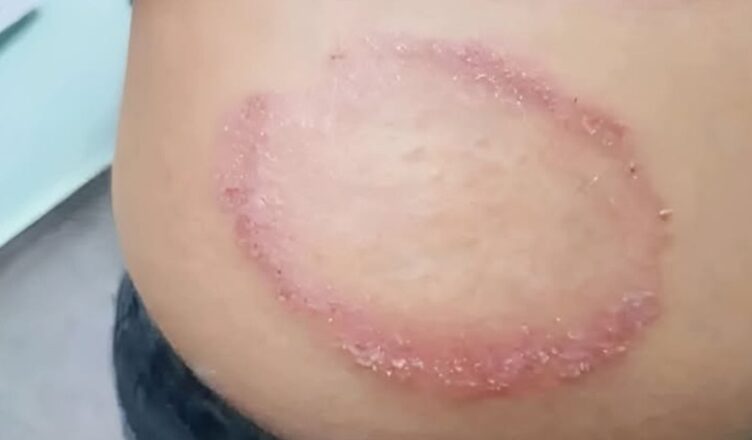
Lesions often initially appear “healthy,” with no signs of pus or discharge. However, these lesions can cause severe itching. As the infection worsens, the lesions can multiply and spread to other areas of the body. As the plaques expand, their centers become paler. In more advanced cases, blisters and purulent sores may appear along the edges of the plaques.
Dermatophytes: What are the fungi species responsible for Circinella?
Corcinella is caused by dermatophyte fungi. There are three main types of fungi, which can be divided according to their primary host:
Zoophilic dermatophytes: of animal origin, they are transmitted from animal to animal or from animal to human, either by a pet or by another animal, such as a horse during a riding lesson. This is the most common mode of infection;
Anthropophilic dermatophytes: of human origin, transmitted through direct or indirect contact between people;
Geophilic dermatophytes: rare, transmission occurs through soil contaminated with zoophilic dermatophyte.
Herpes circinate (dermatophytosis, tinea dermis or ringworm): How can you become infected with these fungi?
These fungi can be transmitted in several ways. Specifically, they can be:
direct: occurs during combat sports (judo, boxing, etc.), through skin-to-skin contact (sexual intercourse, hugging) or by petting an infected animal;
Indirect: occurs in a place where the fungus can multiply. Therefore, people become infected indirectly, for example, at the gym, swimming pool, beach, or even through hair left on clothes or pillows.
Children who come into contact with pets, as well as people who have contact with animals, such as veterinarians or breeders, are most at risk of contracting this disease. It’s important to remember that dermatophytes thrive in both warm and cold environments.
Ringworm: When to Seek Help
Symptoms develop slowly, with the first lesions appearing between one and three weeks after infection. It’s recommended to consult a doctor as soon as lesions appear. This allows treatment to begin before the condition worsens. It will also help protect those around you from infection. It’s recommended to remain vigilant for these skin lesions, especially after exposure to high-risk areas (gym, swimming pool, etc.).
Psoriasis, ringworm or herpes: how is ringworm diagnosed?
Typically, a clinical examination provides the doctor with many clues to diagnosing herpes simplex, as the symptoms are very characteristic. However, an examination using an ultraviolet lamp can confirm the diagnosis. This lamp fluoresces certain fungi, making them visible to the naked eye. Laboratory confirmation is sometimes required, allowing for precise identification of the fungus responsible for this skin infection. To do this, simply visit a medical laboratory. The specialist will scrape the lesion. This means scraping the perimeter and surface of the affected area with a spatula to collect a sample of scales. The first part of the sample will be examined under a microscope to confirm the presence or absence of fungi. The second part will be cultured to identify the fungus responsible for the infection and determine the optimal treatment.
Treatment: How to treat and get rid of shingles (herpes zoster)?
Once a diagnosis is made and the fungus causing herpes simplex is identified, treatment begins. This involves administering an antifungal medication (a drug that fights fungi).
Which cream can cure herpes circulatory system?
If only a skin rash occurs: an antifungal cream such as ciclopirox olamine 1% or terbinafine 1% is prescribed. Treatment is applied topically twice daily and usually lasts 2 to 4 weeks.
If the lesions are extensive or there are numerous plaques on the skin, your doctor may prescribe an oral antifungal medication (to swallow) in addition to the cream.
In cases of severe itching, cortisone cream can be added to the treatment to provide relief.
Healing typically occurs within 2 to 3 weeks after treatment. Because dermatophytes are most often transmitted by animals, it is important to monitor them closely and treat them if necessary. Natural alternatives, such as garlic, known for its antifungal properties, or tea tree essential oil, are often recommended and considered. However, no studies have shown any real advantage over drug treatments. Consult your doctor.
How to prevent herpes simplex?
Following standard hygiene rules is essential. Wash your hands after entering public spaces and after contact with animals, regardless of whether they are infected with the herpes simplex virus (Herpes circinate). Pay particular attention to areas with the highest risk of human-to-human transmission, such as gyms or swimming pools. Remember to keep your surroundings clean and change bed linen and towels regularly. It’s recommended to change them weekly and wash them in a washing machine at 90°C. It’s important to monitor your pets and treat them as soon as possible if necessary.
After diagnosis and treatment, you should quarantine yourself for about 10 days to avoid infecting your surroundings. Like any other fungal infection, shingles tends to recur. To best prevent recurrence, be especially vigilant. Dry your body thoroughly after showering with a clean, personal towel. Certain areas are more susceptible to fungal infections, such as the spaces between your toes, armpits, neck, and knee socks. Also, remember to keep your shoes clean and disinfect them regularly with a suitable disinfectant.