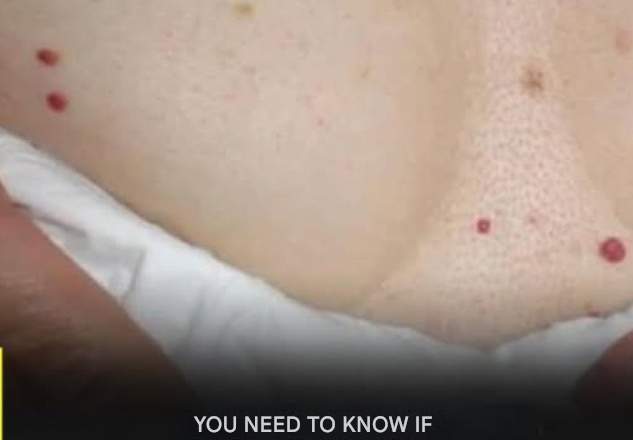
Bruises that appear on the skin, especially in older people, although often harmless, can reveal fascinating and complex stories.
Why do older people bruise so often? What mechanisms lie behind these hematomas?
Let’s dive into the world of skin aging to discover the secrets behind these colored spots.
Hematomas in the elderly (1/12)
Bruises, or bruises caused by blood collecting under the skin, are common in older adults due to the rupture of small blood vessels. They vary in type and require treatment depending on their location and severity.
© Shutterstock
Fragility of skin and blood vessels in the elderly(2/12)
The delicate skin and blood vessels of older people explain their susceptibility to bruising. Skin loses elasticity and becomes thinner with age, increasing susceptibility to injury.
© Shutterstock
Factors contributing to bruising in the elderly(3/12)
Bateman’s senile purpura, associated with sun exposure, and vitamin C and K deficiencies contribute to the fragility of blood vessels in older people, which increases the risk of hematomas.
© Shutterstock
Medications and mobility problems in older people (4/12)
Medications such as anticoagulants increase the risk of bruising in older adults. Mobility and balance problems can lead to falls, which can cause bruising.
© Shutterstock
When to see a doctor for a hematoma (5/12)
Although benign, some hematomas require medical attention. An enlarged hematoma, severe pain, or persistent bruising are warning signs.
© Shutterstock
Prevention of hematomas in the elderly (6/12)
Preventing bruising in seniors involves ensuring home safety, promoting physical activity, and ensuring a vitamin-rich diet. Proper hydration and monitoring treatment are also important.
© Shutterstock
Treatment of benign hematomas (7/12)
For minor hematomas, apply cold, rest, and elevate the affected area. Serious hematomas require medical attention.
© Shutterstock
Bruises and serious health problems (8/12)
Bruises can indicate serious health problems. Blood clotting disorders or autoimmune diseases can cause frequent bruising.
© Shutterstock
Diagnosis of hematomas (9/12)
The diagnosis of hematomas is made based on the patient’s history and clinical symptoms. Imaging studies may be necessary to assess the severity of the problem.
© Shutterstock
Treatment of skin hematomas (10/12)
For skin hematomas, cold is recommended. If the hematoma does not involve open wounds, an arnica-based treatment can be used.
© Shutterstock
Medical intervention for large hematomas (11/12)
Large hematomas sometimes require medical intervention to prevent complications. Drainage or surgery may be necessary.
© Shutterstock
Understanding and treating hematomas in the elderly (12/12)
Understanding the mechanisms of hematoma formation in older adults allows for better treatment. Future research may offer new perspectives on the prevention and treatment of these bruises.