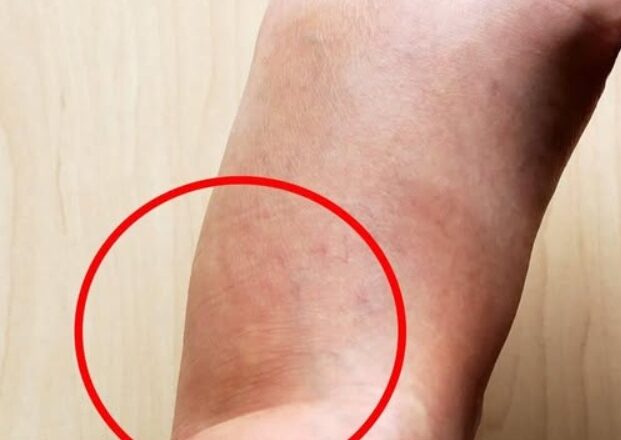
Skin reactions are often perceived as minor annoyances, something temporary that disappears without much concern. Many people ignore red spots, itching, or swelling, assuming they are harmless.
However, when these skin symptoms appear along with difficulty breathing, the situation can quickly become serious. What appears to be a simple rash may actually be an early warning sign of a dangerous allergic reaction.
In some cases, this combination may indicate a condition known as anaphylaxis, which is severe, violent, and potentially life-threatening if not treated immediately.
The skin symptoms most often associated with this type of reaction are hives, also known as urticaria. They appear as raised, red or pink welts on the skin that may itch, burn, or spread quickly to various parts of the body. Hives can sometimes occur on their own and are not always dangerous. However, their presence, combined with other symptoms—especially those affecting breathing—can signal that the body is reacting at a much deeper level. The skin becomes a visible indicator of an internal reaction that can escalate.
Difficulty breathing is the most important warning sign that the situation is becoming an emergency. Never ignore symptoms such as shortness of breath, wheezing, throat or chest tightness, swelling of the lips or tongue, rapid heartbeat, dizziness, or even fainting. When these symptoms occur simultaneously with hives, they suggest that the allergic reaction is affecting multiple body systems. Immediate medical attention is necessary, as the condition can deteriorate rapidly.
Severe allergic reactions like anaphylaxis can be triggered by a variety of factors. Common triggers include certain foods, such as peanuts, shellfish, milk, and eggs, as well as medications, such as antibiotics and painkillers. Insect stings, especially bee or wasp stings, as well as latex or environmental allergens, are also common causes. While some people are aware of their allergies, for others, such a reaction may occur for the first time without prior warning.
One of the biggest risks in these situations is delay. People often downplay the severity of symptoms, thinking it’s “just a rash” or something that will go away on its own. However, when breathing is disrupted, the condition can deteriorate rapidly, potentially leading to airway obstruction, shock, or loss of consciousness. Quick action can mean the difference between recovery and a life-threatening situation.
If hives and difficulty breathing occur, contact emergency services immediately. If an epinephrine auto-injector, such as an EpiPen, is available, use it without hesitation. The person should remain in a supine position and be closely monitored until medical help arrives. Quick and decisive action is crucial to avoid death.
While not all rashes are dangerous, the presence of breathing problems is a key factor in distinguishing a mild reaction from a serious one. Conditions such as skin irritations or mild allergies can cause similar symptoms but typically do not affect breathing. Recognizing this difference is crucial. Ultimately, what may seem like a simple skin problem can be a visible sign of a serious internal reaction. Understanding the warning signs and reacting quickly can save lives.