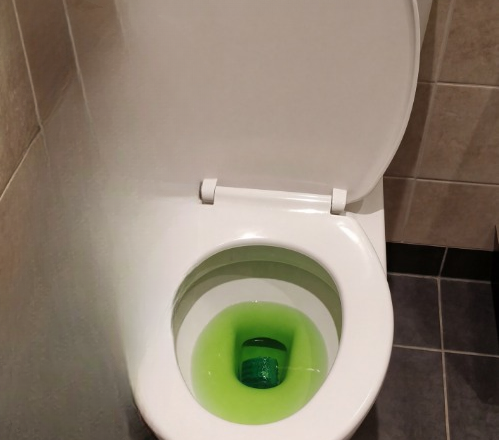
Introduction: The Frustration of a Toilet Clog
There are few household problems as instantly stressful as a clogged toilet. One minute, you’re going about your routine; the next, the water level rises unnaturally, threatening to overflow. Panic sets in, and your mind races: “Do I have a plunger? Can I fix this before it gets worse?”
While a plunger is the traditional solution, it isn’t always available, or it may not be the right type. Not everyone wants to handle a plunger, and in some cases, even a standard plunger may struggle with certain types of blockages. Luckily, there are alternative strategies that use simple household items or basic tools, allowing you to address clogs efficiently and safely.
In this comprehensive guide, we’ll explore several methods to unclog a toilet without a plunger. From everyday kitchen ingredients to clever tools you already own, these techniques can save time, money, and stress—helping you avoid the unnecessary expense of a plumber for minor blockages.
Step 1: Dish Soap and Hot Water — A Gentle Yet Effective Method
Dish soap is more than just a cleaning agent for dishes—it’s a surprisingly effective way to unclog a toilet. The soap acts as a lubricant, helping debris and toilet paper slide through the pipes with ease. Combined with hot water, this method works particularly well for minor blockages.
What You’ll Need:
- Dish soap (any brand will suffice)
- Hot water (tap temperature, not boiling)
- A bucket or large container
How to Use It:
- Pour Dish Soap: Start by adding about half a cup of dish soap directly into the toilet bowl. Allow it to mix with the water, which will coat the obstruction and soften it.
- Wait: Let the soap sit for 20–30 minutes. This pause is crucial for loosening the clog. For particularly stubborn blockages, you can extend this waiting time up to an hour.
- Add Hot Water: Carefully pour hot water from a bucket into the toilet from waist height. The warmth helps soften debris, while the water pressure aids in pushing the clog through. Avoid boiling water, which can crack porcelain.
- Observe: Give the water a few minutes to work. You should hear a gurgling sound or notice the water level dropping—a clear sign that the clog is clearing.
Tips for Success:
- Repeat the process if necessary. Some clogs require multiple applications.
- Use a generous amount of dish soap for tougher blockages.
- Ensure the water is hot but not boiling to protect your toilet.
Step 2: Baking Soda and Vinegar — A Chemical-Free Solution
For those seeking an eco-friendly approach, baking soda and vinegar provide a safe, effective alternative. This classic combination produces a gentle chemical reaction that helps dissolve blockages naturally.
What You’ll Need:
- 1 cup of baking soda
- 1 cup of vinegar
- Hot water
How to Use It:
- Add Baking Soda: Pour the baking soda into the toilet bowl directly on top of the water.
- Pour Vinegar: Slowly add the vinegar. Expect fizzing and bubbling—that’s the reaction breaking down the clog.
- Wait: Allow the mixture to sit for 30 minutes to maximize its effect.
- Flush With Hot Water: Add hot water to help push loosened debris through the pipes.
Benefits of This Method:
- Non-toxic and safe for all plumbing.
- No harsh chemicals that could damage pipes.
- Can be repeated multiple times for stubborn clogs.
Step 3: The Toilet Brush Technique — When You Need a Physical Approach
Sometimes, a hands-on approach is necessary. A toilet brush can serve as a simple tool to help dislodge minor blockages.
What You’ll Need:
- A sturdy toilet brush
How to Use It:
- Insert the Brush: Position the brush near the clog and keep it submerged in water.
- Push and Swirl: Use firm, circular motions to break up debris or compacted toilet paper.
- Flush and Repeat: Test by flushing. Repeat as needed until the blockage clears.
Pro Tips:
- Use gloves to maintain hygiene.
- Keep movements slow to prevent splashing.
- For stubborn clogs, combine this with the dish soap or baking soda methods.
Step 4: The Wet/Dry Vacuum — Powerful Suction for Tough Clogs
For severe clogs, a wet/dry vacuum, commonly known as a shop vac, can be a game-changer. Using suction, it can pull out even hard-to-reach obstructions.
What You’ll Need:
- Wet/dry vacuum
- Towels or protective cloth to prevent spills
How to Use It:
- Prepare the Vacuum: Ensure your vacuum can handle liquids.
- Create a Seal: Position the hose over the drain and block gaps with a towel for maximum suction.
- Turn On the Vacuum: Suction will pull debris from the toilet bowl into the vacuum.
Safety and Cleanup:
- Place towels around the toilet to catch splashes.
- Disinfect the vacuum afterward if you’ve used it with sewage water.
Step 5: When to Call a Professional Plumber
While DIY methods solve most common clogs, some situations require expert attention:
- Persistent blockages that resist multiple attempts
- Foul odors or sewage backups in other drains
- Objects that shouldn’t be flushed, like non-degradable items
- Signs of serious plumbing issues, such as tree root intrusion or pipe collapse
Knowing when to seek professional help can prevent costly damage and ensure your plumbing system remains healthy.
Additional Preventative Tips to Avoid Toilet Clogs
- Mind What You Flush: Only flush human waste and toilet paper. Avoid sanitary products, wipes, and paper towels.
- Regular Cleaning: Clean your toilet and pipes to prevent buildup.
- Use Moderate Amounts of Toilet Paper: Excess paper often causes blockages.
- Consider Enzyme Cleaners: These natural cleaners help break down organic material in pipes.
Conclusion: Simple, Effective, and Plunger-Free Solutions
Clogged toilets can be stressful, but they don’t always require plungers or expensive repairs. With these simple methods—dish soap and hot water, baking soda and vinegar, a toilet brush, or a wet/dry vacuum—you can address blockages safely and efficiently.
By using household items and basic tools, you can save time, money, and stress while ensuring your toilet functions properly. The next time you encounter a clog, remember these methods. They’re accessible, effective, and may even give you peace of mind knowing you can handle minor plumbing issues on your own.