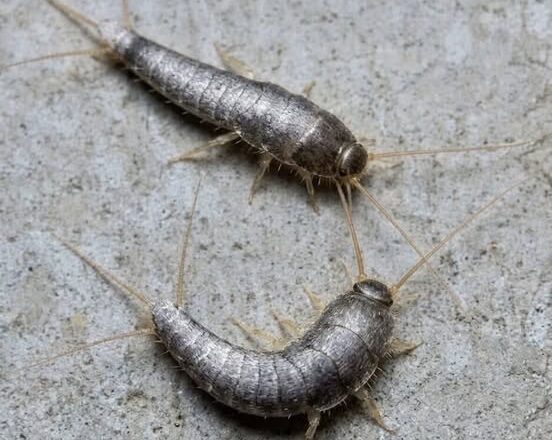
Silverfish are small, wingless insects recognized for their silvery-gray color and the fast, wavy way they move, much like a fish in water. They are considered among the oldest insect species on Earth, having survived for hundreds of millions of years.
Their bodies are flat and tapered, usually measuring between half an inch and an inch and a half long, with long antennae and three thin bristles extending from the rear. Although they often surprise people when they suddenly appear indoors, silverfish are not dangerous.
They do not bite, sting, or transmit disease. Even so, they are far from welcome in the home because they can quietly damage a wide range of household items over time.
These insects are especially drawn to dark, damp places, which is why they are often discovered in bathrooms, basements, kitchens, attics, and laundry rooms. Moisture is essential to their survival, so they tend to settle in areas with poor airflow, leaks, or persistent humidity. Silverfish usually remain hidden during the day, sheltering in cracks, behind baseboards, inside cupboards, or other narrow spaces. At night, they come out in search of food. Their diet includes starches and sugars, which means many common household materials can attract them. They feed on paper, cardboard, glue, wallpaper paste, fabrics, crumbs, hair, and even flakes of skin, making an ordinary home an ideal environment for them to live and multiply.
Because they stay out of sight for much of the time, silverfish infestations often develop without being noticed right away. Many people only realize there is a problem when they switch on a light and see one rush across the floor, wall, or sink. Other warning signs may include yellowish marks, tiny holes in fabric or paper, shed skins, small dark droppings, or wallpaper that begins to loosen. Since these clues can easily be mistaken for normal aging or household wear, infestations may continue growing before anyone takes action. This is why noticing the early signs can make a major difference in controlling them.
The best way to get rid of silverfish is to make the home less attractive to them. Lowering humidity is one of the most important steps, since they rely heavily on moisture. Better ventilation, exhaust fans, and dehumidifiers can help create conditions they do not like. Cleaning regularly also removes the crumbs, dust, and organic material they feed on, while reducing clutter cuts down on the dark hiding places they prefer. Books, clothing, and dry foods should be stored carefully, ideally in sealed containers, especially in storage areas or rooms prone to dampness. Sealing gaps around windows, plumbing, and baseboards can also help prevent them from settling in. Some homeowners use natural deterrents such as cedar, bay leaves, citrus oils, or diatomaceous earth, while sticky traps can help track activity and reduce their numbers. When the infestation becomes harder to control, professional pest treatment may be the most effective solution.
Keeping silverfish away for good requires consistency. A dry, clean, well-ventilated home is the strongest defense against their return. Fixing leaks quickly, storing vulnerable items properly, vacuuming often, and removing food residue all help reduce the conditions that allow them to thrive. But what makes silverfish truly frustrating is not that they are dangerous, but that they can quietly destroy the things people often value most. They may ruin books, damage important papers, eat away at wallpaper paste, contaminate pantry goods such as flour, cereal, and rice, and even leave holes in clothing made from cotton, silk, or linen. What begins as a few hidden insects can gradually turn into a much larger infestation, causing widespread damage before the problem is fully understood. With early action and steady prevention, however, silverfish can be controlled before they become permanent and destructive unwelcome guests.