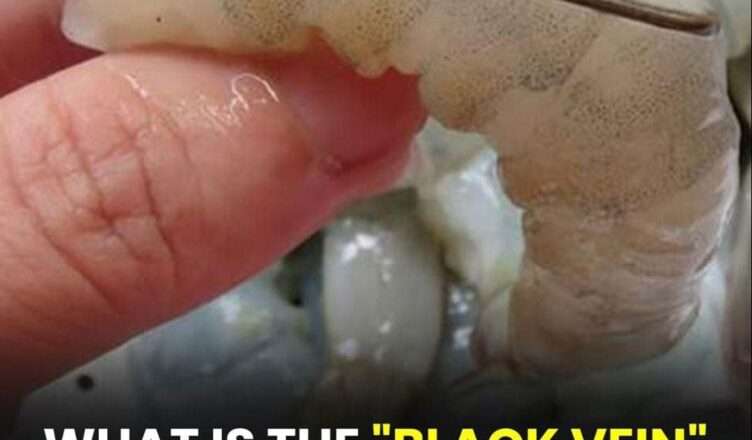
If you’ve ever cooked shrimp at home, you’ve likely noticed that dark, thin line running along the back. Maybe you’ve diligently removed it every single time. Maybe you’ve wondered if it really matters. Maybe you’ve been too hungry to care.
Let’s clear up the confusion once and for all: what is that black vein, should you remove it, and how do you prepare shrimp properly?
First, What Is That “Black Vein”?
That dark line running along the back of a shrimp is the shrimp’s digestive tract—essentially its intestine. The dark color comes from undigested food or waste (usually algae, plankton, or whatever the shrimp was feeding on).
Fun fact: There’s also a white “vein” along the underside of the shrimp. That’s the nerve cord—completely harmless and usually not removed.
Shrimp have an open circulatory system, so there are no actual blood vessels running along that line. The “black vein” is purely the digestive tract.
Is It Safe to Eat?
The short answer: yes, it’s safe.
The digestive tract contains nothing harmful to humans. It’s essentially what the shrimp ate before it became dinner. In small shrimp, it’s barely noticeable and won’t affect flavor or texture.
However, in larger shrimp (like jumbo or tiger shrimp), the digestive tract can contain grit or sand that creates an unpleasant crunchy texture. If you’ve ever bitten into a shrimp and felt something gritty, that’s why.