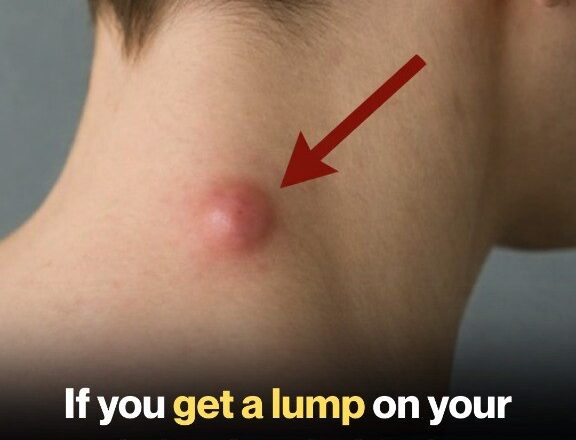
Understanding Lumps Under the Skin: Causes, Symptoms, and Epidermoid Cysts Explained
Finding a lump somewhere on your body—whether on the neck, upper back, scalp, or behind the ear—can be an alarming experience. Many people immediately worry about serious health conditions when they notice a new bump that wasn’t there before.
The uncertainty alone can trigger anxiety, especially if the lump feels firm, grows over time, or appears without an obvious cause. However, it is important to understand that not all lumps are dangerous. In fact, many are benign, temporary, and easily treatable once their cause is identified.
Lumps beneath the skin can vary significantly in appearance, texture, and behavior. Some remain small and unchanged for years, while others may enlarge gradually or become tender and inflamed. Certain lumps disappear on their own, while others persist and require medical attention. Recognizing the different characteristics of lumps and understanding their potential causes can help individuals make informed decisions about monitoring their condition or seeking professional care.
This article explores the most common reasons lumps develop beneath the skin, with a particular focus on epidermoid cysts—one of the most frequent and misunderstood types of benign skin growths. It also covers symptoms, diagnostic methods, home care approaches, possible complications, and medical treatment options to provide a comprehensive understanding of this common condition.
(Images used for illustrative purposes only; source: Wikipedia)
Common Reasons Lumps Appear on the Body
Lumps can form for a variety of reasons, ranging from mild skin conditions to more complex medical issues. Some of the most common causes include swollen lymph nodes, lipomas (fatty growths), abscesses, benign tumors, and cysts. Each type of lump has its own characteristics, and understanding these differences can help distinguish harmless conditions from those that may require urgent care.
Cysts, particularly epidermoid cysts, are among the most frequently encountered causes of non-cancerous lumps beneath the skin. These growths are generally slow-growing and often painless, which is why many people ignore them until they become noticeable or uncomfortable.
What Is an Epidermoid Cyst?
An epidermoid cyst is a non-cancerous, enclosed sac that forms just beneath the surface of the skin. Despite the name, these cysts do not originate from sweat glands but from skin cells that become trapped in deeper layers of the skin. Epidermoid cysts are extremely common and can occur in people of all ages, although they are more frequently seen in adults.
These cysts may appear anywhere on the body, but they are most commonly found on areas such as the face, neck, scalp, shoulders, upper back, chest, and behind the ears. They tend to grow slowly over time and can range in size from a few millimeters to several centimeters in diameter.
Inside an epidermoid cyst is keratin—a thick, yellowish, or whitish protein that is also a key component of hair, skin, and nails. As keratin builds up inside the cyst, it causes the lump to become more noticeable and sometimes firm to the touch.
How Epidermoid Cysts Form
Under normal circumstances, skin cells grow, mature, and shed from the surface of the skin. In the case of an epidermoid cyst, this natural process is disrupted. Instead of shedding, skin cells move deeper into the skin and continue to multiply. Over time, these cells form a sac-like structure that fills with keratin.
Several factors may contribute to this abnormal process, including blocked hair follicles, clogged pores, or damage to the skin. Once the cyst begins to form, it often continues to grow slowly unless it ruptures or is removed.
Causes and Risk Factors
Epidermoid cysts can develop for various reasons, and while they are usually not preventable, certain factors increase the likelihood of their formation.
Blocked Pores and Hair Follicles
When pores or hair follicles become clogged with oil, dead skin cells, or debris, they can trap skin cells beneath the surface. This blockage creates an environment where cysts can form.
Skin Trauma or Injury
Minor injuries such as cuts, burns, surgical wounds, or abrasions can push surface skin cells deeper into the skin, triggering cyst formation. Even injuries that heal quickly can sometimes result in cyst development months or years later.
Chronic Skin Conditions
People who suffer from acne or other inflammatory skin disorders may be more prone to developing epidermoid cysts due to frequent pore blockages and skin irritation.
Genetic Factors
Certain inherited conditions, such as Gardner syndrome, are associated with an increased risk of developing multiple epidermoid cysts. These cases are less common but medically significant.
Age and Gender
Although epidermoid cysts can occur at any age, they are more commonly diagnosed in adults than in children. Men are statistically more likely to develop these cysts than women.
Signs and Symptoms of Epidermoid Cysts
The most noticeable symptom of an epidermoid cyst is a visible lump beneath the skin. These lumps often have distinct characteristics that help differentiate them from other types of growths.
Common Features
- A round or dome-shaped bump beneath the skin
- A smooth or slightly firm texture
- Skin-colored, whitish, or pale appearance
- Slow growth over time
- Usually painless unless inflamed or infected
In many cases, the cyst remains asymptomatic and does not interfere with daily activities. Some people live with small cysts for years without any discomfort.
Symptoms of Infection or Inflammation
Although epidermoid cysts are generally harmless, they can sometimes become irritated or infected. This may occur due to friction, pressure, attempts to squeeze the cyst, or bacterial contamination.
Signs of infection or inflammation may include:
- Redness and warmth around the lump
- Swelling or increased size
- Pain or tenderness
- Thick, foul-smelling discharge
- Fever in severe cases
An infected cyst may rupture, releasing its contents into surrounding tissue and causing additional irritation. Medical attention is recommended if these symptoms appear.
How Doctors Diagnose Lumps and Cysts
In most cases, a healthcare provider can diagnose an epidermoid cyst through a simple physical examination. The location, appearance, and texture of the lump often provide enough information for an accurate diagnosis.
However, additional tests may be necessary if:
- The lump is unusually large or rapidly growing
- The appearance is atypical
- There is uncertainty about the diagnosis
- Cancer or other serious conditions need to be ruled out
Diagnostic Tools
- Ultrasound: Helps determine the size, depth, and contents of the lump
- MRI or CT scans: Used for deeper or complex cases
- Biopsy: A small tissue sample may be taken to confirm the diagnosis
Home Remedies People Commonly Try
Many individuals attempt home-based treatments to reduce discomfort or improve the appearance of cysts. While these methods do not eliminate epidermoid cysts entirely, they may help manage mild symptoms.
Warm Compress
How it works: Applying a warm, damp cloth to the area for 10–15 minutes several times a day may help improve circulation and reduce inflammation.
Potential benefit: Warmth can encourage natural drainage in cases where a blocked gland contributes to the cyst.
Apple Cider Vinegar
How it works: Diluted apple cider vinegar is sometimes applied topically using a cotton ball.
Potential benefit: It is believed to have antibacterial properties, though scientific evidence is limited. Caution is advised, as it may irritate sensitive skin.
Risks of At-Home Treatment
While home remedies may provide temporary relief, attempting to pop, squeeze, or drain a cyst at home is strongly discouraged. Doing so can introduce bacteria, worsen inflammation, and increase the risk of infection or scarring. Improper handling may also cause the cyst to recur.
Medical Treatment Options
If an epidermoid cyst becomes painful, infected, or cosmetically bothersome, medical treatment may be recommended.
Steroid Injections
These can reduce inflammation and swelling, particularly in irritated cysts.
Incision and Drainage
A doctor may make a small incision to release the contents of the cyst. While this relieves symptoms, it does not always prevent recurrence.
Surgical Removal
Complete surgical excision removes the cyst and its sac, significantly reducing the chance of recurrence. This is considered the most effective treatment.
When to See a Doctor
Medical evaluation is recommended if:
- The lump grows rapidly
- Pain or redness develops
- Discharge or foul odor is present
- The cyst interferes with movement or daily activities
- There is concern about cancer or other serious conditions