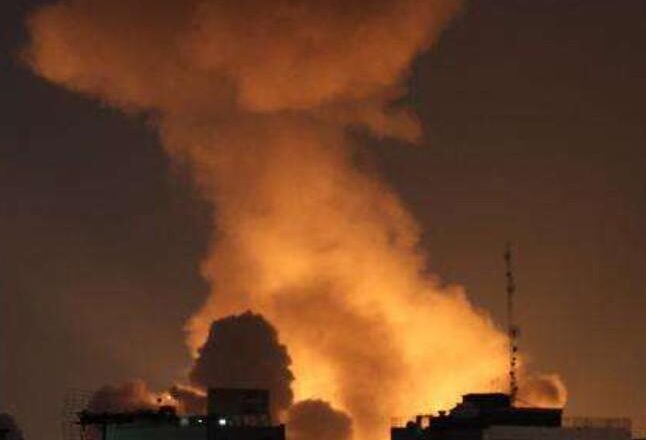
Following the offensive launched on February 28 by Israel and the United States, Iran and its people find themselves at a historic turning point.
For many Iranians, both at home and in the diaspora, these events may mark the end of a cycle that began more than four decades ago.
In January, when demonstrations were brutally suppressed, Parissa*, a resident of the Paris region, shared with us her mixed feelings: fear and hope.
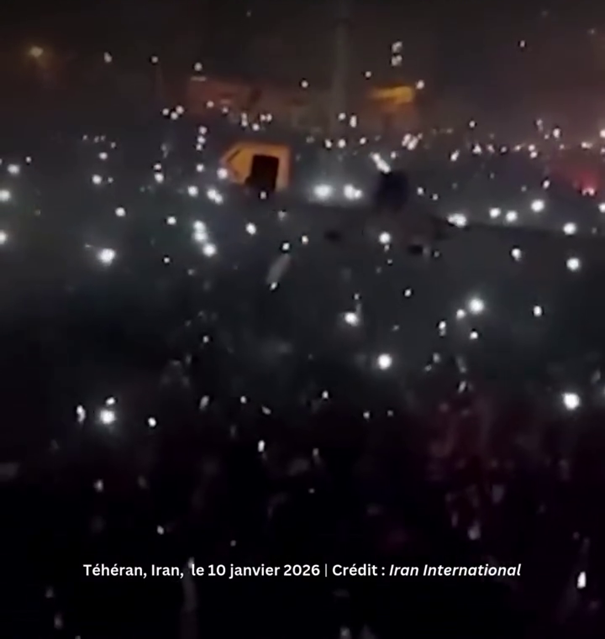
In the dead of winter, thousands of Iranians, in Tehran, Berlin, Paris and Los Angeles, marched to support their compatriots facing relentless repression.
Today, the emotions are different: a mix of relief, shock, and uncertainty. The offensive launched on February 28, which led to the death of Supreme Leader Ayatollah Ali Khamenei, has shaken the already fragile balance in the country. Under a barrage of bombs and in an atmosphere of extreme tension, Iran seems to be entering a new chapter in its modern history.
To grasp the scale of this moment, we must travel back in time. In January 2026, after three weeks of mass protests, the regime unleashed a crackdown of unprecedented brutality. The death toll remained unverifiable, and information was filtered only sparingly. The internet was cut and telephone lines suspended: a near-total blackout plunged the country into silence. On January 6, Prince Reza Pahlavi, son of the last Shah and Empress Farah Pahlavi, called on people in exile in the United States to take to the streets. The next day, the connection to the outside world was abruptly cut. Only Starlink, Elon Musk’s satellite internet service, offered intermittent access to bypass censorship.
“I’m suffering in body and mind. I can’t think of anything else. I can’t sleep anymore. I spend days and nights on my phone,” Parissa confided. After arriving in Paris on the eve of the 1979 revolution, her life was turned upside down when her Iranian bank accounts abroad were frozen. For over forty years, she has lived between two worlds, with a constant sense that the country is suspended between hope and tragedy.
She also describes the daily pressures faced by women in Iran: those who refuse to wear the veil risk administrative sanctions, job loss, and bans from opening bank accounts or pursuing certain professions. “Despite this, many continue to reveal themselves. It’s an act of resistance,” she emphasizes. Despite the risks, some Iranian society refuses to give up.
Shadow Armies
This isn’t the first time protests have ignited a country. In January 2020, public anger erupted after the shooting down of Ukraine International Airlines flight PS752—a tragedy that killed 176 people. The regime denied any responsibility for several days, fueling distrust. “I believed them at the time,” Parissa recalls. “But the international silence was deafening.”
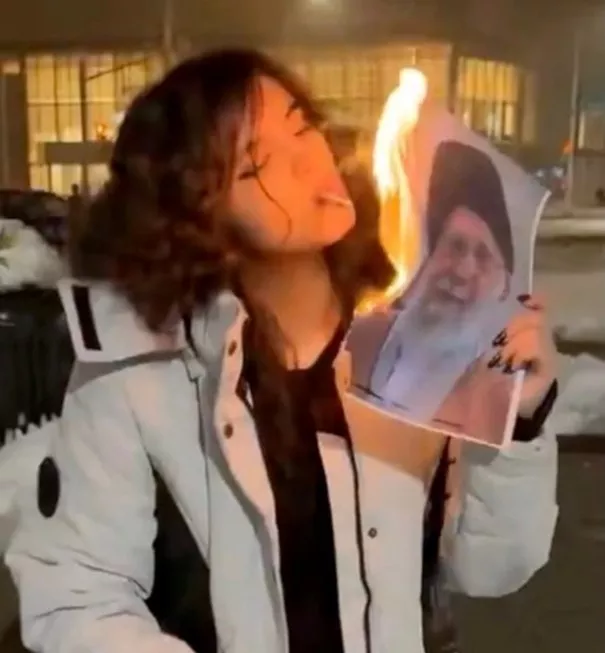
In September 2022, the death of Mahsa Amini sparked a massive protest movement led by women and youth. Again, international condemnation was widespread, but concrete support remained limited. According to Parissa, each failed uprising left a new wound, reinforcing the belief that only a major breakthrough could change the country’s fate.
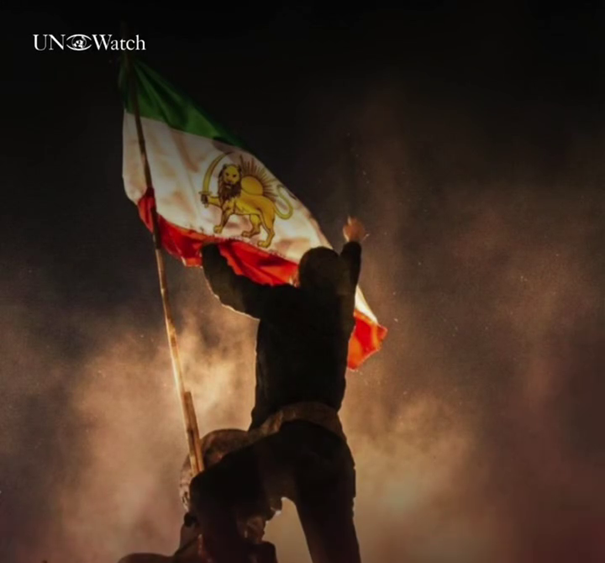
Reza Pahlavi – a mobilizing figure?
For some members of the diaspora and protesters, Reza Pahlavi now represents an alternative. His name is chanted in some cities, and the imperial flag is making a comeback at rallies. In France, this monarchical figure sparks debate and sometimes opposition. However, for his supporters, he is above all a symbol of unity in the face of a regime they consider exhausted.
Since February 28th, Parissa has been speaking of a “rebirth.” She recalls scenes of jubilation in some neighborhoods, but also fears of reprisals, and the possibility that political prisoners could become bargaining chips or targets. The future remains uncertain: political transformation, prolonged chaos, regional reorganization… No one can yet predict the outcome.
The wait remains. The expectation of concessions, a state more respectful of individual freedoms, a restoration of stability. Between immense hope and persistent fear, Iran is experiencing one of the most significant moments in its modern history – intensely watched by millions of Iranians in exile who, like Parissa, perceive each event as a personal wound and a potential promise for the future.