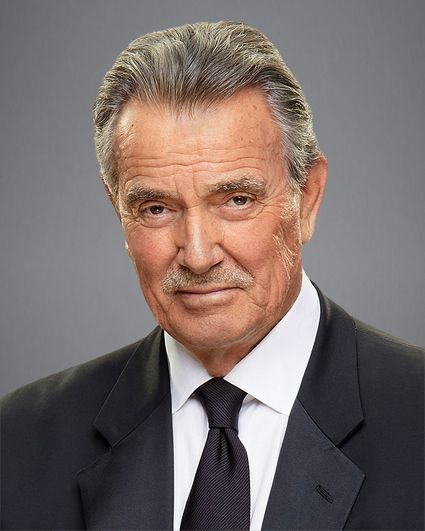
Eric Braeden, the legendary actor best known for his iconic portrayal of Victor Newman on The Young and the Restless, has shared a deeply personal update with fans that resonated far beyond the world of daytime television. At 82 years old, Braeden revealed that he has been diagnosed with cancer, a disclosure he chose to make openly and directly through a video message to his supporters. His announcement was marked not by fear or despair, but by honesty, composure, and an unmistakable determination to…
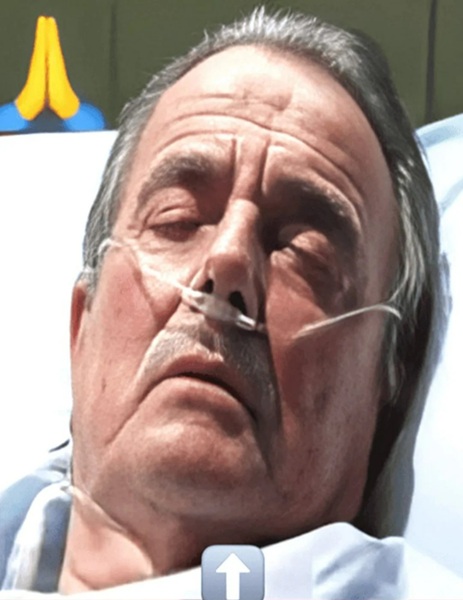
Eric Braeden, the legendary actor best known for his iconic portrayal of Victor Newman on The Young and the Restless, has shared a deeply personal update with fans that resonated far beyond the world of daytime television.
At 82 years old, Braeden revealed that he has been diagnosed with cancer, a disclosure he chose to make openly and directly through a video message to his supporters.
His announcement was marked not by fear or despair, but by honesty, composure, and an unmistakable determination to continue living and working with purpose.
For decades, Braeden has been a commanding presence on screen, embodying strength, authority, and resilience through his portrayal of Victor Newman.
That same steadiness was evident as he addressed his real-life health challenge. Rather than allowing speculation, rumors, or misleading headlines to define the situation, Braeden took control of the narrative by speaking for himself.
His message was clear, factual, and grounded, offering reassurance without minimizing the seriousness of his diagnosis.
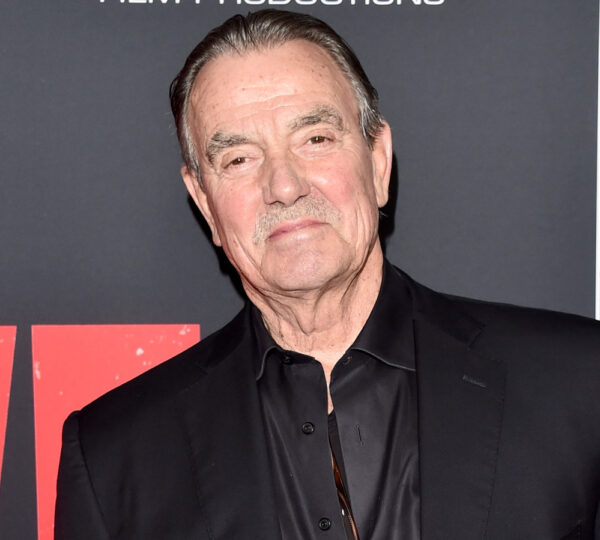
During his recovery, he began experiencing issues related to his prostate.
At first, these symptoms appeared consistent with common post-surgical complications, particularly for someone of his age. However, further medical testing was recommended as a precaution.
Those additional tests led to a diagnosis that changed the course of his medical care. Doctors identified high-grade cancer cells located near his bladder.
The finding was serious and required immediate attention, but it was also caught through careful monitoring rather than through a sudden medical emergency.
Braeden emphasized that early detection and thorough testing played a critical role in identifying the condition, reinforcing the importance of regular medical checkups, especially later in life.
In a Facebook Live session, Braeden spoke calmly and candidly about the diagnosis. He explained the medical facts in straightforward terms, avoiding exaggeration or emotional manipulation.
He confirmed that he is currently undergoing immunotherapy, a treatment designed to help the body’s immune system recognize and fight cancer cells more effectively.
While he acknowledged that treatment can be physically demanding, he expressed confidence in both his medical team and the process itself.
What stood out most to viewers was not simply the information he shared, but the mindset with which he shared it. Braeden made it clear that he does not see himself as a victim.
He openly acknowledged the reality of cancer, the seriousness of the diagnosis, and the discipline required to undergo treatment. At the same time, he refused to frame the experience as something that defines him or overshadows his identity.
Instead, Braeden spoke of the situation as a challenge—one that requires focus, consistency, and resolve.
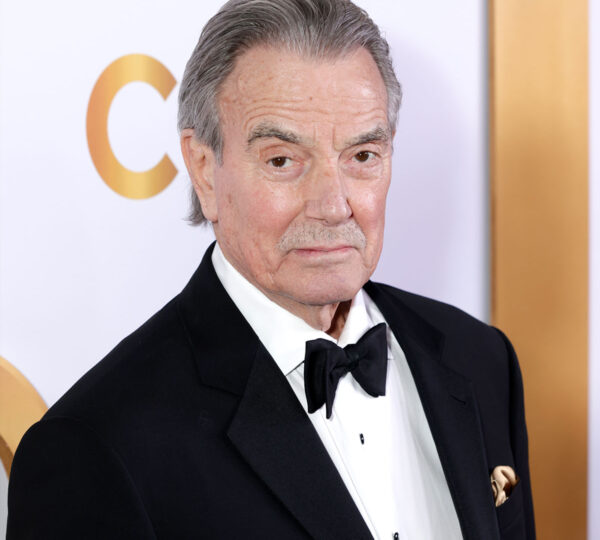
His tone was firm but measured, reflecting the perspective of someone who has faced adversity before and understands that fear does not improve outcomes. He did not promise an easy journey, nor did he present himself as immune to difficulty.
Rather, he emphasized the importance of staying mentally engaged and continuing forward.
Despite undergoing treatment, Braeden confirmed that his work on The Young and the Restless will continue uninterrupted.
Production plans remain unchanged, and his character, Victor Newman, will remain a central figure on the show. This decision was not made lightly, nor was it framed as an obligation.
For Braeden, continuing to work is a source of strength and stability. Acting, he explained, is not merely a profession or a routine. It is a core part of who he is.
The structure of going to work, engaging with colleagues, and stepping into a familiar role provides a sense of normalcy during a time when many aspects of life can feel uncertain.
Rather than withdrawing from daily life, Braeden has chosen to remain active and engaged.
“I’m happy to be able to go to work,” he said during his message, a statement that carried significant weight. It was not an expression of denial or forced optimism.
Instead, it reflected a practical understanding of how purpose and routine can support mental and emotional well-being during medical treatment. Work, for Braeden, represents continuity, discipline, and forward momentum.
He also expressed confidence in his recovery. While acknowledging that treatment takes time and patience, Braeden stated that he expects to regain his full strength.
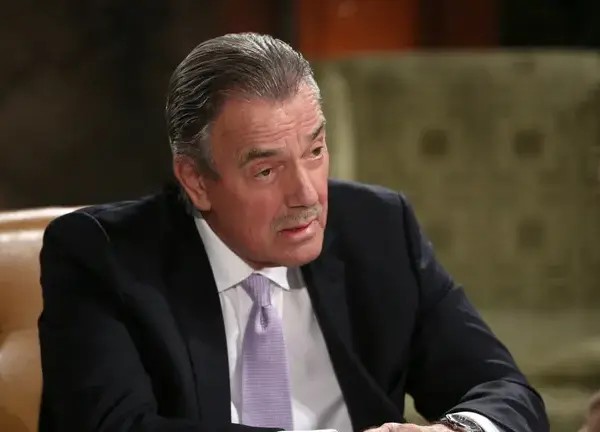
“It won’t be long till I’m back to my best,” he said, emphasizing determination rather than vague hope. His outlook was grounded in realism, supported by medical care, and reinforced by his long-standing approach to life and work.
The response from fans was immediate and overwhelming. Messages of encouragement, gratitude, and support poured in from around the world. Many viewers have followed Braeden’s career for generations, watching him evolve alongside the character of Victor Newman.
For these fans, seeing the man behind the role confront a real-life health challenge with honesty and resolve only deepened their respect for him.
Braeden’s transparency resonated particularly strongly with individuals who have faced cancer themselves or supported loved ones through similar diagnoses.
His message did not offer false reassurances or dramatic narratives. Instead, it presented a realistic example of how to approach a serious medical condition with clarity, responsibility, and mental strength.
One of the most impactful aspects of Braeden’s statement was its lack of sensationalism. There were no exaggerated claims, no emotional appeals designed to generate sympathy, and no attempt to downplay the seriousness of cancer.
He spoke as someone who understands both the risks and the realities of treatment, while remaining focused on action rather than fear.
At 82, Braeden’s career already stands as a testament to longevity and influence. He has been a fixture on daytime television for decades, helping to shape one of the most enduring characters in the genre.
His portrayal of Victor Newman has become synonymous with authority, resilience, and strategic thinking. Yet his recent message reminded audiences that those qualities are not confined to fiction.
Braeden’s real-life strength comes from discipline, perspective, and experience. He has lived long enough to understand that hardship is an inevitable part of life, but not something that must dictate one’s identity or future.
His approach to cancer reflects a broader philosophy: acknowledge reality, take responsibility, and continue moving forward.
Cancer is often described as a battle, but Braeden’s perspective reframes that idea. For him, this is not about dramatic gestures or public heroics.
It is about following through with treatment, maintaining mental engagement, and continuing to live intentionally. His decision to speak openly was not a publicity strategy, but an assertion of control.
By telling his story on his own terms, Braeden ensured that the conversation would remain grounded in truth rather than speculation.
He provided accurate information, set realistic expectations, and avoided unnecessary alarm. In doing so, he modeled a responsible and constructive way to discuss serious health issues in the public eye.
As he continues treatment and remains active on set, Braeden stands as a reminder that strength is not defined by the absence of difficulty, but by one’s response to it.
His message was simple, direct, and rooted in reality: the diagnosis is real, the treatment is underway, and life continues.
For Eric Braeden, that means working, staying focused, and expecting to emerge from this chapter intact. There was no request for sympathy and no promise of an effortless journey. Instead, he offered clarity, resolve, and forward motion.
In an industry often driven by illusion and spectacle, Braeden chose truth. He spoke with the same authority, discipline, and composure that have defined his career for decades.
His message was not only an update on his health, but a reflection of a life lived with intention, responsibility, and unwavering commitment to moving forward—no matter the circumstances.