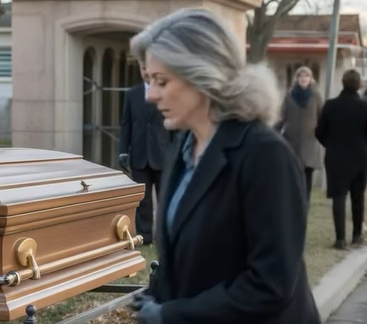
The chapel felt unnaturally cold, the kind of sterile chill that seeps into your bones and stays there long after you leave. November had settled in with its usual gray resolve, but the heaviness pressing on my chest had nothing to do with the weather. I stood near the doorway as the funeral director adjusted white lilies around George’s mahogany casket, their sweet scent clashing cruelly with the reality of death. Every movement was careful, rehearsed, professional. Too professional for a man who had lived with such quiet integrity.
“Mrs. Holloway,” the director said softly, “we can wait a little longer if you’d like. Sometimes families—”
“No,” I replied, my voice steady despite everything. “Start the service. George believed in being on time.”
I turned and looked at the rows of empty chairs. Twenty-four of them. Not our son. Not our daughter. Not a single grandchild. Just absence, lined up neatly in burgundy upholstery like a judgment no one wanted to claim responsibility for.
The pastor spoke. Generic words floated through the chapel, phrases borrowed from a script meant to comfort strangers. He talked about peace and legacy and memories, but he didn’t know George. He didn’t know the man who built our home board by board, who could fix anything with patience and care, who believed loyalty was not a feeling but a practice. I sat there alone, hands folded, listening to someone summarize a life they’d never witnessed for an audience that didn’t exist.