One day before Christmas Eve, my dad said, “The best gift would be if you ‘disappeared’ from this family.” He said it like he was offering a toast. The entire family went silent—no one stood up for me. So, I did exactly that. After selling the house I paid for and canceling their dream Christmas dinner, I set out to redefine what it meant to belong somewhere.
It was December 23rd, just after six in the evening, the kind of Seattle winter evening where your coat still smells like rain when you step inside. The table looked like a postcard—pine garland, cranberry sauce, candles reflected in heavy glassware—eighteen relatives packed shoulder to shoulder, smiling for each other, not for me. And then the room did something I’ll never forget. It went silent, not shocked-silent, but agreement-silent. No one cleared their throat. No one said, “Robert, that’s enough.” No one reached for my hand under the table. My brother even let out a small laugh, like Dad had finally put the family’s private opinion into words.
I was the only one in that room who knew the real punchline. For years, they’d treated me like the embarrassment—the kid who chose tech instead of medicine, the one who didn’t “save lives” in a way they respected. Yet every month, my money kept their life polished and bright. The mortgage didn’t get approved because my father was Dr. Robert Whoever. It got approved because my name—and my credit—were on the line. When the bills came in like clockwork, I paid them like clockwork, too. Utilities, property costs, the little expenses that keep a big house feeling effortless—almost five grand a month “disappearing” from my account as quietly as breath.
I told myself it was love. I told myself that being the steady one meant something, even if nobody said it out loud. But in that moment, with my father’s glass raised and his eyes locked on mine, I finally understood what they’d trained me to be. Not family. A convenience. So when he said the best gift would be my “disappearance”, I didn’t argue. I didn’t cry. I didn’t beg for a softer version of those words. I set my napkin down, stood up so calmly my chair barely scraped, and walked out into the cold like I was doing him a favor.
Later, in my apartment, I opened my laptop and stared at the autopay schedule that had been running my life. And one by one, I started turning things off. The next morning, I made the calls they never imagined I’d have the nerve to make. I listed the house I’d been quietly propping up. I canceled the “dream Christmas dinner” they’d been bragging about all week. And I stopped funding a celebration where my presence was treated like a problem.
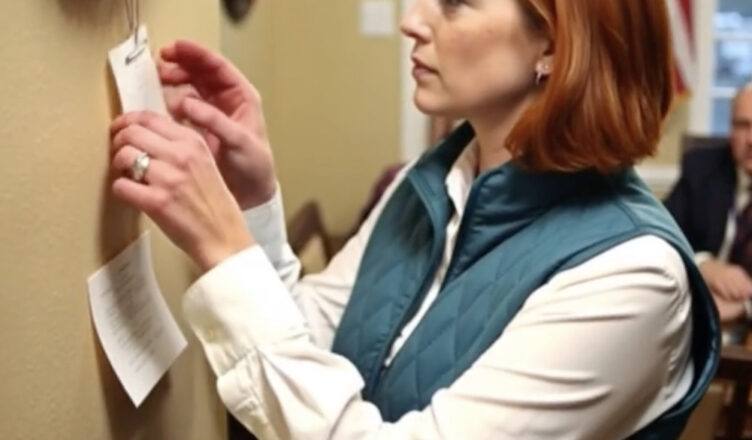
Then I drove back to that beautifully decorated place—wreath on the door, lights in the windows—every inch of it still pretending everything was fine. Inside, the kitchen was too clean, too quiet, like it was waiting for someone else to pay for the warmth. I didn’t take anything that wasn’t mine. I just walked to the refrigerator, smoothed one sheet of paper flat, and taped it right at eye level—where nobody could miss it. I didn’t write it to be dramatic. I wrote it so they’d finally understand what “gone” actually looks like.
That note was a mirror, reflecting back their own words, their silence, their complicity in a narrative where love was measured by the balance in my account rather than the value of my presence. This was the Christmas where I reclaimed my own story, where I learned that disappearing from a place you’ve never truly belonged isn’t loss—it’s liberation.