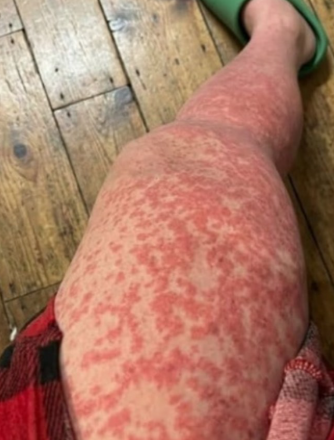
Choosing pajamas isn’t just about comfort—it has a huge impact on the health of our skin. Many people don’t consider the material they sleep in, but the right fabric is crucial to avoiding irritation, redness, and itching.
At night, the skin is in prolonged contact with the material, and the wrong one can lead to serious problems.
HOW CAN INAPPROPRIATE CLOTHING DAMAGE YOUR SKIN?
Nighttime friction, sweat, and inappropriate fabrics can all significantly impact skin condition. The most common problems are irritation, redness, and itching. This is because the skin doesn’t breathe properly for hours, accumulating moisture, and creating the perfect environment for skin allergies to develop.
Synthetic fabrics like polyester and nylon are the main culprits. They trap heat, preventing the skin from evaporating sweat naturally. Furthermore, textile dyes and chemical additives used in clothing manufacturing can lead to skin reactions, especially if the clothes aren’t rinsed properly before first wear.
Tight clothing is also not good for your skin. Frequent friction can weaken the skin’s natural protective barrier, making it more susceptible to irritants. Prolonged use of such clothing can lead to more serious conditions, such as contact dermatitis.
WHICH FABRICS ARE HARMFUL TO THE SKIN?
Synthetics are among the most damaging materials for skin. Not only do they retain moisture, but they also restrict air circulation, leading to irritation. Cheap fabrics are often treated with harsh chemicals that can cause skin reactions. Additionally, brightly colored clothes containing strong dyes can also cause skin problems, especially if they aren’t rinsed properly before first wear.
Wool, while warm, can be problematic for those with sensitive skin. Its rough texture can cause itching, and sensitive areas like the neck and shoulders can quickly become irritated. Although wool is a natural material, it’s not suitable for long nighttime wear.
For people with eczema, allergies, or other skin conditions, it’s important to choose materials that not only allow the skin to breathe but also don’t cause irritation. Sometimes, simply changing the material can significantly improve sleep comfort.
WHAT HABITS WILL HELP PROTECT YOUR SKIN?
The first step to protecting your skin is choosing the right fabric. Natural fibers like cotton, bamboo, or linen are excellent choices. They allow skin to breathe, absorb moisture, and reduce friction. Pajamas made from these materials are not only comfortable but also minimize the risk of irritation and ensure a restful night’s sleep.
Washing new clothes before wearing them is a habit worth adopting. This helps remove residual chemicals that can cause skin reactions. It’s also important to use gentle detergents that don’t contain artificial fragrances or harsh chemicals.
The cut of your clothes also matters. Choosing looser pajamas reduces friction and allows your skin to breathe. It’s also important to keep your bedding clean, as dirty sheets and pillows can harbor sweat, bacteria, and allergens. Washing your bedding regularly will help maintain a healthy sleep environment.
If your skin continues to be irritated after changing clothes, it’s worth seeing a doctor. Recurring symptoms may indicate an allergy or other skin condition that requires consultation with a dermatologist.
CONCLUSION: CHANGING FABRICS WILL CHANGE THE COMFORT OF YOUR SLEEP
Choosing the right sleepwear is a small but important step towards improving skin health. Fabrics that don’t irritate the skin and allow it to breathe can significantly improve sleep comfort and prevent skin damage. Maintaining good hygiene, avoiding harsh detergents, and choosing looser clothing are habits worth adopting to enjoy healthy skin and restful sleep. A small detail like the right pajamas can truly improve our quality of life.