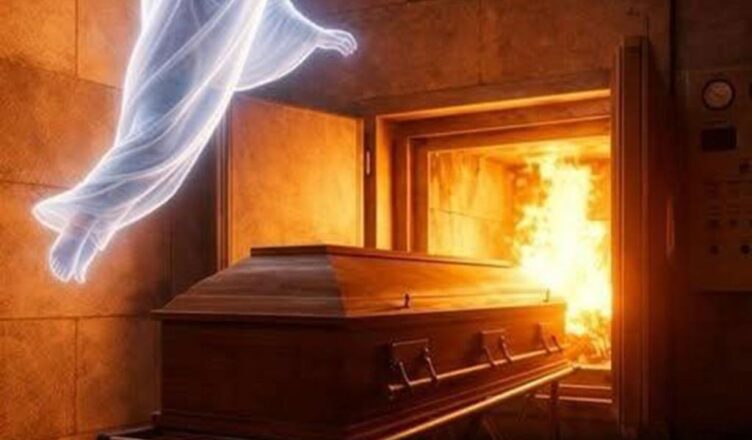
The thought of death alone is riddled with anxieties, especially pertaining to what happens after we die. Many people across the globe subscribe to some form of spiritual belief system to deal with the anxieties of death. Various faiths have different rites and rituals that are practised when someone passes away. Most turn to faith to figure out what happens to our souls when we enter the afterlife.
While there are many similarities between faiths, there are also significant differences, in particular, burial practices. In some faiths, cremation is forbidden and in others, it is part of the religion’s burial practices. How each faith interprets what happens to the soul after cremation is based on their core belief system, their view of the afterlife and whether cremation is a permissible practice.
Islam
Gray Tombstones with Arabic Calligraphy
Honoring beliefs about the soul and cremation across Islam, Buddhism, Judaism, Hinduism, Catholicism, Spiritualism, and Native traditions.
Credit: Pexels
In Islam, cremation is strictly forbidden, and some scholars believe cremation is sacrilegious, bringing dishonour to the dead. To protect the dignity of the human being and preserve the body from harm, the deceased are buried quickly with dignity. Islamic belief is that the deceased’s body must go through the process of washing (ghusl), shrouding (kafan), funeral prayer (salat al-janazah), and burial. Prophetic hadith (teachings) stipulate that harm to the dead resembles harm to the living.
The core belief in Islam is that death is not annihilation but bridging into the afterlife. The ruh (soul) is accountable until Judgement Day. The soul enters Barzakh, an intermediate state awaiting the Day of Judgment before Paradise or Hell.