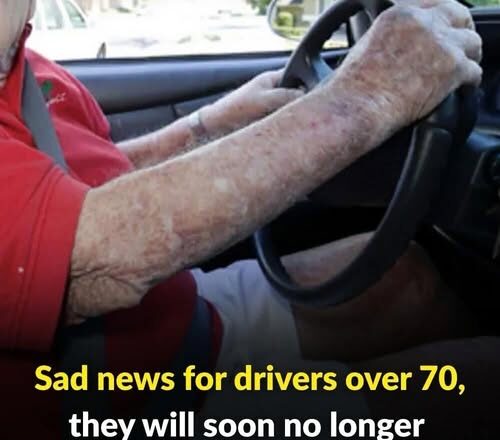
The conversation around older drivers is becoming more important as people live longer, stay active later in life, and continue valuing their independence well into older age. For many, driving is not just a practical activity. It is closely tied to freedom, confidence, and the ability to remain connected to family, friends, appointments, and everyday responsibilities.
Because of that, any discussion about driving in later life needs to be handled with care. It is a subject that touches both emotional well-being and public safety. On one hand, maintaining the ability to drive can help older adults preserve independence and quality of life. On the other hand, road safety is a shared concern that affects drivers, passengers, and pedestrians alike. Finding the right balance between these two realities is what makes the issue so important and, at times, so sensitive.
Research has shown that certain age-related changes can gradually influence driving ability. Slower reaction times, reduced vision, hearing changes, and difficulty managing complex or fast-moving traffic situations may become more common with age. Some people may also find it harder to drive at night, judge distances accurately, or respond quickly in stressful conditions. These changes do not happen all at once, and they do not affect everyone in the same way, but they can become important over time.
At the same time, it is essential not to treat age alone as proof that someone is no longer a safe driver. Many older adults remain highly capable behind the wheel for years. In fact, experience, patience, and a more cautious driving style often make many older drivers particularly responsible on the road. They may avoid unnecessary risks, drive more carefully in difficult weather, and make thoughtful decisions based on decades of experience. That is why the discussion should focus on ability rather than age alone.
Different countries and regions approach this issue in different ways. Some require medical checks, vision tests, or driving assessments once drivers reach a certain age. Others place more emphasis on personal responsibility and only step in when concerns are raised by family members, doctors, or licensing authorities. Each system is designed to protect public safety while trying to preserve personal independence, yet no single model works perfectly for everyone. This is one reason the topic continues to be debated by governments, experts, and families.
In many cases, supportive measures can help older drivers remain safe and confident for longer. Regular eye exams, hearing checks, and general health assessments can make it easier to identify changes before they become serious risks. Refresher driving courses can also be useful, helping drivers rebuild confidence, review traffic rules, and adapt to modern road conditions. These steps are not about taking freedom away, but about supporting it in a responsible way.
Modern vehicle technology can also help. Features such as lane departure warnings, blind-spot monitoring, parking sensors, rearview cameras, and automatic emergency braking can provide additional support during everyday driving. While these tools do not replace judgment or skill, they can reduce stress and improve safety, especially in situations that require quick awareness.
Ultimately, the goal is not to limit independence, but to make sure it can continue safely for as long as possible. With open communication, regular health checks, and practical support, many older drivers can remain mobile, independent, and confident while also helping keep the roads safer for everyone.