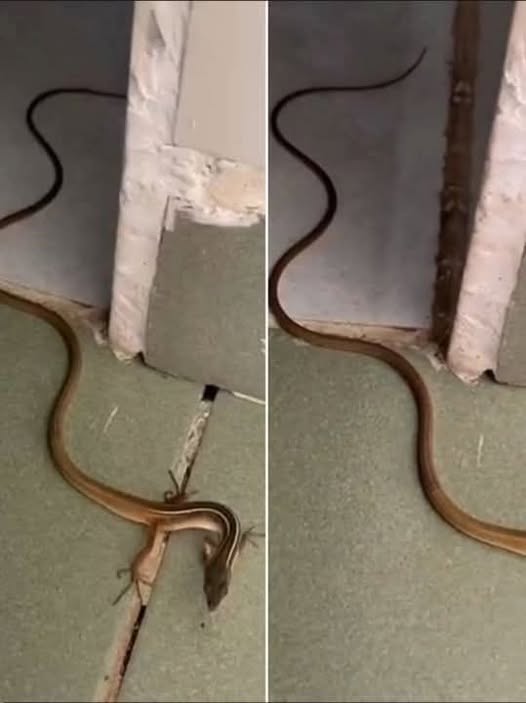
Finding a snake in your home can be an unsettling experience, leaving you surprised, worried, and unsure what to do next. Many people instinctively wonder: Why is it there? Could it be dangerous? Should I be concerned?
Although snakes are often associated with myths and cultural symbolism, wildlife experts emphasize that there are usually practical explanations for these encounters. Snakes do not enter homes with the intention of harming humans. Rather, they are driven by survival needs, such as finding food, shelter, or a stable environment.
Understanding why snakes sometimes appear indoors, how to respond safely, and what preventative measures you can take can turn a frightening encounter into a manageable situation. This article provides a comprehensive, step-by-step guide to observing snakes in a calm, safe, and mindful manner.
Why do snakes enter houses?
Snakes are instinctive creatures, and their movements are largely driven by environmental factors rather than curiosity about humans. When a snake enters a room, it’s typically looking for one of three things: shelter, food, or a favorable habitat.
1. Applying for asylum
Snakes are cold-blooded, meaning their body temperature varies depending on their environment. Extreme weather conditions, such as heat or cold, can cause snakes to seek shelter in safe and stable places.
Your home may be unknowingly providing:
- Warm places in the cold season
- Cool, shady places during the hot months
- Protection from predators and sudden environmental changes
Quiet, peaceful places such as basements, attics, garages, underground spaces, and utility rooms are particularly attractive because they provide security and concealment.
2. Be careful with your food source
Snakes are natural predators that rely on small animals for survival. A home with rodents or other small creatures can indirectly attract snakes. Common prey includes:
- Mice, rats and other rodents
- Small amphibians or insects
- Birds, eggs or other small animals
Even if there is no immediate rodent problem in the home, neighboring yards and gardens can be a source of abundant food, encouraging snakes to explore human buildings in search of prey.
3. Living close to natural habitats
Homes built near forests, farmland, rivers, lakes, or wetlands are naturally closer to wildlife. In these areas, snakes are a common part of the ecosystem, and occasional indoor sightings are common. Overgrown yards, vacant lots, and dense vegetation can increase the likelihood of snake encounters.
4. Entry through small holes
Snakes are very flexible and can squeeze through surprisingly narrow gaps. Even homes that seem safe can have small openings that go unnoticed. Common entry routes include:
- Cracks in walls or foundations
- Gaps under the door
- Open or unglazed windows
- Pipes, vents or drains
Smaller species can squeeze through very narrow spaces, so you need to pay close attention to detail when caring for your home.
Common myths about snakes in rooms
Snakes are often misunderstood, and myths can lead to unnecessary fear. Some misconceptions include:
Myth 1: Snakes bring good or bad luck
There is no scientific evidence linking indoor snake sightings with good luck, omens, or personal events. Cultural histories and folklore may attribute symbolic meaning to them, but from a practical perspective, these sightings are purely ecological in nature.
Myth 2: Snakes enter houses to attack people.
Most snakes actively avoid contact with humans. They only bite in self-defense when they feel cornered or threatened. A snake in your home doesn’t mean to harm you; it’s usually lost or seeking shelter.
Myth 3: One snake means there are many.
Finding a single snake does not mean you’re infected. Most encounters are isolated. Although multiple snakes can be found in the same area under certain circumstances, such instances are rare.
Immediate Actions to Take When Finding a Snake
The key to a safe response is to remain calm and take thoughtful action. Panic can escalate the situation and increase the risk for both you and the snake.
Step 1: Keep a safe distance
Do not attempt to touch or catch the snake. Even harmless species can bite if they feel threatened. Observe the snake without approaching it.
Step 2: Confining the Snake
- Close the door to confine the snake to one room.
- Keep pets and children away from this area.
- Avoid sudden movements that may scare the snake.
Step 3: Call the experts
Contact qualified specialists such as:
- Local animal control
- Licensed pest control services
- Wild animal rescue organizations
These specialists have the training, equipment, and experience necessary to safely remove and relocate the snake.
Step 4: Avoid self-removal
Handling a snake without experience can be dangerous. Even identifying the species can be difficult. Professionals are best placed to ensure the safety of both the household and the animal.
Preventing snakes from entering your home
The most effective strategy is to improve the home’s attractiveness and affordability. A combination of structural improvements, environmental management, and ongoing maintenance can make a significant difference.
1. Block entry points
Thoroughly inspect your home and eliminate potential gaps. Consider:
- Installing the door seal
- Sealing cracks in walls, foundations and windows
- Adding mesh to vents, chimneys, and windows
2. Limit your food sources
Pest control will keep snakes away from your home. Steps include:
- Storing products in safe containers
- Pack your trash tightly
- Quick elimination of rodent infestations
3. Keep the space open
A well-kept garden deters snakes and their prey:
- Trim grass, bushes, and shrubs regularly
- Remove trash, wood piles, and fallen leaves
- Organize your storage space and avoid clutter
4. Water resources management
Snakes are attracted to water, which can also attract prey. Reduce the amount of standing water by doing the following:
- Repairing leaks or drainage problems
- Emptying containers with standing water
- Ensuring proper external drainage
Understanding Snake Behavior
Understanding snake behavior can help reduce fear and improve reactions.
Snakes prefer to avoid humans
Most snakes are cautious and will retreat if given the opportunity. Biting or defensive actions are a last resort.
Defensive actions
A snake in danger may:
- Straighten your body in preparation for defense.
- Hissing or rattling as a warning signal
- I’m trying to escape quickly
Recognizing this behavior as defensive rather than aggressive helps keep things in perspective.
Identification of snake species
Knowing which snakes are harmless and which may be venomous is helpful, but should never replace professional help.
- Most pet snakes are non-venomous.
- Expert identification is the safest
- Until identified, caution should be exercised when handling snakes.
Situations requiring special caution
Some collisions require immediate specialist intervention:
- The snake is injured or behaving unusually
- Its type cannot be determined.
- There are many snakes present
In such situations, contacting wildlife conservation specialists may be a safe solution to the problem.
The role of snakes in nature
Despite their reputation, snakes play a crucial ecological role:
- Rodent and insect population control
- Maintaining sustainable ecosystems
- Indicates healthy environmental conditions
Understanding their importance to the environment can change attitudes from fear to respect.
Health
Training household members
Educating all family members reduces panic and encourages safe behavior:
- Teach children to stay away from snakes
- Inform guests about possible meetings and safety rules
- Discuss seasonal activity patterns and preventative measures
Prepared households respond calmly and effectively.
Long-term prevention strategies
Regular maintenance is the key to minimizing collisions:
- Regularly check doors, windows, vents, and foundations
- Keep your yard clean and free of litter
- Quickly solve structural problems
- Beware of seasonal snake activity
Consistency in following these habits creates a safer home environment.
Seasonal patterns and snake activity
Understanding when snakes are most active helps you plan preventative measures:
- Spring: Snakes emerge from hibernation and look for food and shelter.
- Summer: During hot weather, they may seek out cool, shady places.
- Fall: Snakes look for places to hibernate, sometimes entering houses
Awareness of these patterns allows for proactive maintenance.
Conclusion: Safe Coexistence
A snake encounter in the home is usually safe. Snakes have no intention of interacting with humans—they enter homes based on survival instincts. By understanding the reasons for these visits, remaining calm, and following the advice of experts, families can safely survive such an encounter.
Key findings:
- Snakes enter homes for practical reasons.
- Keep a safe distance and avoid direct contact.
- Professional help guarantees safe removal
- Prevention reduces the likelihood of future encounters
- Education promotes calm and reasonable responses
With preparation, awareness and careful management, homeowners can coexist safely with local wildlife while ensuring safe and comfortable living conditions.
Additional tips for keeping your home snake-free
Even after taking preventative measures, it’s still worth staying vigilant. Regular home inspections can reveal new cracks or crevices before snakes exploit them. Pay particular attention to doors, windows, vents, and places where pipes or cables pass through. Seasonal changes, such as climbing in spring or seeking shelter in autumn, can increase the likelihood of seeing snakes in your home, so be especially vigilant during these times.
Keeping pets indoors or supervising them in the yard reduces the risk of accidental encounters, as curious animals can trigger defensive behavior in snakes. In families with children, reinforcing basic rules, such as not approaching or touching a snake and immediately notifying an adult, helps ensure the safety of everyone in the household.
Landscaping choices can also influence snake activity. Clearing up trash, trimming overgrown vegetation, and storing firewood or garden materials above ground makes open spaces less attractive to both snakes and their prey.
Ultimately, the most important thing is to remain calm. Snakes rarely intend to cause harm, and most encounters are brief and manageable if proper precautions are taken. By combining observation, prevention, and professional support when needed, households can safely coexist with local wildlife while minimizing risk.