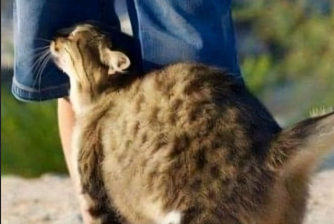
Did you know that a cat rubs against you when it senses you have something special?
This gesture is not just a show of affection.
It masks behavior deeply rooted in instinct. Cats use their bodies to communicate.
Rubbing against your leg or hand sends a clear message: you are part of his territory and he trusts you.
This behavior serves both a social and chemical function. Cats have glands located on their heads, around their cheeks, and chins. When they rub against humans, these glands release pheromones.
These molecules act as an olfactory signal. They indicate that you are a trustworthy and valued member of their environment. Rubbing becomes a way for them to identify creatures and objects they consider familiar .
Cat behavior experts note that this gesture often occurs during quiet moments. For example, when you’re sitting in the living room or preparing something in the kitchen. The cat chooses these moments to interact without disturbing the surroundings. This way, it demonstrates its presence while strengthening the bond with its owner.
Meaning and Related Behaviors
Simply observing your cat rubbing against you isn’t always enough to understand its intentions. The duration and intensity of the rubbing provide some clues. Light, quick rubbing often indicates curiosity or affection. Prolonged pressure or repeated movements can signal a need for safety or play.
Cats often combine rubbing with other behaviors. For example, purring often accompanies this gesture. It’s an expression of well-being and comfort. Tail movements or slow eye blinks complete the message. Together, these signs create a distinct body language that owners can learn to interpret.
Understanding these behaviors will improve your relationship with your feline companion. You’ll know when they need your attention, when they feel comfortable, and when they want to be left alone. Each interaction strengthens mutual trust. Furthermore, recognizing these signals can help reduce stress in your cat, especially in multi-pet environments.
Experts recommend responding gently to your cat’s caresses. A pat on the forehead or behind the ears can prolong this pleasurable moment. It’s not just a sign of affection; it’s an active exchange that respects the cat’s needs while strengthening the bond.
Certain situations alter the frequency of this behavior. For example, after a meal, a cat may be more inclined to rub against itself. This reflects a state of contentment and security. Similarly, in times of stress or anxiety, rubbing may seem like a way to calm down. Understanding these contexts helps in correctly interpreting each gesture.
Besides strengthening the bond, rubbing also has a practical purpose. It helps establish your presence and territory, thus reducing conflicts with other animals. Cats use these signals to maintain balance in their environment. In this way, you become a stable and reassuring presence for them.
By carefully observing your cat, you’ll notice that each petting has its own nuances. Some are quick and subtle, others long and insistent. Each variation conveys a specific message. Over time, you’ll develop an intuitive understanding of these signals and be able to respond appropriately.