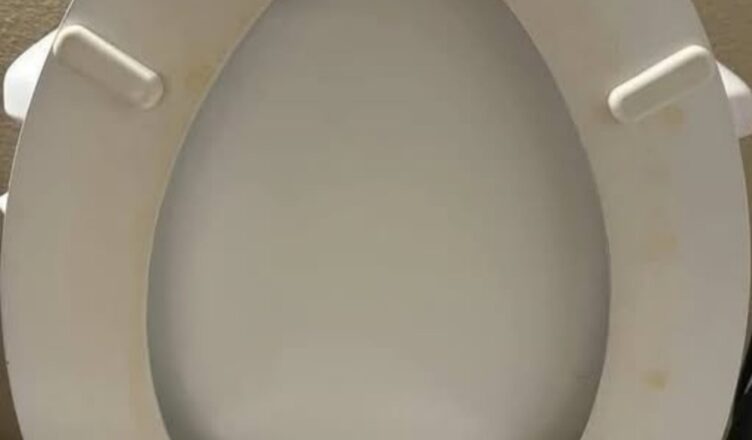
We’ve all encountered it—that stubborn yellow or brown ring clinging just below the waterline in the toilet bowl. No matter how hard you scrub with a regular brush, it refuses to disappear. It looks unhygienic, feels embarrassing, and somehow always comes back. If you’ve ever wondered why it’s so difficult to remove, you’re not imagining things—and you’re definitely not alone.
The reassuring news is this: the stain isn’t permanent, and you don’t need harsh chemicals or expensive cleaners to fix it. The real solution starts with understanding what that ring actually is—and why most cleaning attempts fail.
What’s Really Causing That Yellow Ring?
That unsightly mark isn’t just “dirt.” It’s usually a layered buildup formed over time, often made up of:
Mineral deposits (limescale) from hard water, mainly calcium and magnesium
Urine scale, created when uric acid crystals bond to porcelain
Iron or manganese in water, which can leave yellow, orange, or brown stains
Occasional mold or mildew, especially in humid bathrooms
Once these substances bond to porcelain, simple scrubbing won’t break them down—especially if the toilet isn’t cleaned regularly.
Why Most People Scrub Forever (and Get Nowhere)
The mistake many people make is assuming more force is the answer. In reality, aggressive scrubbing can damage the porcelain’s protective glaze, making future stains form even faster. What’s needed isn’t strength—it’s the right chemical reaction.
The Most Effective, Non-Toxic Method (That Actually Works)
This is where most advice online gets it wrong.
Step 1: Lower the Water Level
Before applying anything, reduce the water level in the bowl. Turn off the water valve and flush once, or scoop water out with a cup. This exposes the stained area so the treatment can work directly on it.
Step 2: Apply White Vinegar
Pour undiluted white vinegar directly onto the stained ring. Let it sit for at least 30 minutes—longer if the stain is heavy. Vinegar works by dissolving mineral buildup and breaking the bond between the stain and the porcelain.
Step 3: Add Baking Soda After the Vinegar
Here’s the critical part most people miss:
❌ Mixing vinegar and baking soda together cancels their cleaning power
✅ Using them separately, in sequence, creates the desired effect
After the vinegar has had time to work, sprinkle baking soda over the same area. It will fizz slightly, helping lift loosened residue.
Step 4: Gentle Scrub (No Metal Brushes)
Use a toilet brush or pumice stone designed for porcelain. Scrub lightly—the stain should begin lifting with minimal effort.
Step 5: Let It Sit Again, Then Flush
Allow the mixture to sit for another 10–15 minutes, then flush and rinse the bowl.
When Stains Are Extremely Stubborn
If the ring has been there for months or years, you may need to repeat the process once or twice. For iron-heavy stains, a pumice stone alone (used gently and only on wet porcelain) can be effective.
How to Prevent the Ring from Coming Back
Clean the toilet weekly, even if it “looks fine”
Use vinegar once a month as maintenance
Avoid abrasive cleaners that damage porcelain
Consider a water softener if hard water is severe
The Bottom Line
That gross yellow ring isn’t a sign of poor hygiene—and it’s not unbeatable. It’s simply a buildup that needs the right approach. Once you stop scrubbing blindly and start working with chemistry instead of against it, the stain finally lets go.
And that’s the real secret: it was never about scrubbing harder—it was about doing it smarter.