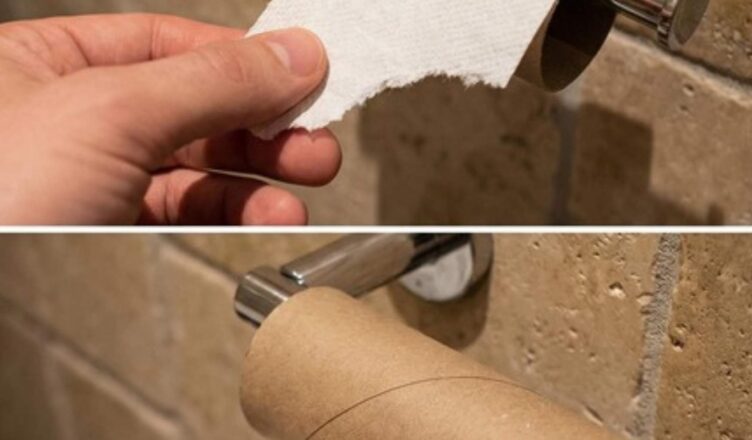
Toilet paper is one of those everyday items most people rarely think twice about. It’s familiar, convenient, and deeply embedded in daily routines. Yet in recent years, growing environmental awareness—especially in Western countries such as France—has prompted many households to reconsider how even the smallest habits affect natural resources and long-term sustainability.
For generations, toilet paper has been treated as an unquestioned necessity. Since its widespread introduction in the 19th century, it has become a global standard for personal hygiene. However, as conversations around sustainability have evolved, attention has shifted toward the resources required to produce it. Manufacturing toilet paper depends heavily on wood pulp, large volumes of water, and significant energy use, creating ongoing pressure on forests and contributing to environmental strain over time.
As people become more conscious of these impacts, interest has grown in examining alternatives that align better with environmental goals. Consumers are increasingly reading labels, questioning sourcing practices, and looking for solutions that reduce waste without sacrificing comfort or hygiene. This shift reflects a broader cultural movement toward responsible consumption and long-term thinking.
In many parts of the world, water-based hygiene methods have been used for generations and are often considered both practical and efficient. As awareness of these practices spreads, they are gaining acceptance in regions where they were once uncommon. Modern designs and improved accessibility have helped remove previous barriers, making these options easier to integrate into existing homes.
Reusable fabric alternatives have also entered the conversation, appealing to those looking to minimize household waste and reduce recurring costs. While such changes may require adjustments to daily routines, many people find that the transition becomes easier over time as habits adapt.
Important information:
Toilet paper production requires large amounts of wood, water, and energy, contributing to environmental pressure. Growing sustainability awareness has led many people to explore alternatives such as bidets and reusable options, which can reduce waste and resource consumption. As designs become more accessible and habits evolve, eco-friendly bathroom solutions are becoming an increasingly popular part of everyday life.