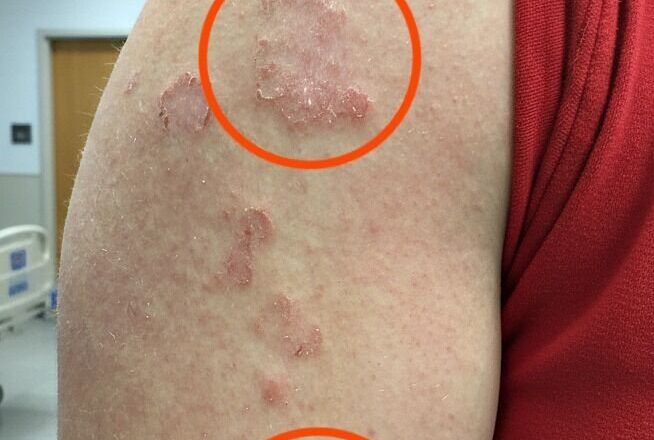
Understanding Red Circular Marks on the Skin
Red, round patches on the skin can develop for many reasons. These marks may appear suddenly or gradually, and they might stay the same size or slowly expand over time. In some cases, they occur as isolated spots, while in others, they appear in clusters.
The key concern for most people is whether these patches are contagious. The answer is not always straightforward because it depends entirely on what is causing the skin reaction. Some conditions are infectious and can spread through contact, while others are linked to internal factors such as inflammation or immune system responses and are not contagious at all.
Understanding the underlying cause is essential before deciding on any treatment or preventive steps.
A Frequent Cause: Fungal Skin Infections
One of the most common explanations for circular red patches is a fungal infection of the skin. This type of infection thrives in warm, moist environments and can affect various parts of the body, including the arms.
What It Looks Like
Fungal infections often present with distinctive features, including:
- Round or oval-shaped red patches
- Slightly raised, well-defined edges
- A clearer or less inflamed center
- Mild to noticeable itching
These patches may start small but gradually grow outward, sometimes forming ring-like shapes. This outward expansion is a common clue that a fungal infection may be involved.
How It Spreads
Fungal infections can be contagious and are easily transmitted in several ways:
- Direct contact with an infected person’s skin
- Sharing personal items such as towels, clothing, or bedding
- Using communal surfaces like gym equipment
- Contact with infected animals, particularly pets
- Touching surfaces that carry the fungus, such as locker room floors
Because of how easily these infections spread, early recognition and proper hygiene are important to prevent transmission.
Non-Contagious Skin Conditions That Look Similar
Not every red circular rash is caused by an infection. In fact, some non-contagious conditions can closely resemble fungal infections, which can make self-diagnosis difficult.
Eczema (Nummular Dermatitis)
Eczema is a common inflammatory skin condition that can produce round, coin-shaped patches. These patches often appear on the arms or legs and may be mistaken for fungal infections.
Key Characteristics:
- Red, inflamed patches that may resemble coins
- Dry, flaky, or cracked skin
- Itching that can range from mild to intense
- Occasional oozing or crusting in severe cases
Unlike fungal infections, eczema is not caused by microorganisms. Instead, it is linked to skin barrier issues and inflammation. It cannot be spread from one person to another.
Psoriasis
Another condition that may mimic circular rashes is psoriasis. This is a chronic autoimmune disorder in which the immune system triggers rapid skin cell production.
Common Features:
- Thick, red patches with silvery or white scales
- Well-defined edges
- Dryness and occasional cracking
- Common appearance on elbows, knees, scalp, and sometimes arms
Psoriasis is not contagious. It develops due to internal immune system activity rather than external infection.
Key Differences Between Conditions
Because these skin conditions can appear similar, it is important to pay attention to subtle differences. While only a healthcare professional can provide a definitive diagnosis, certain patterns may offer helpful clues.
Growth and Spread
- Fungal infections often expand outward over time
- Eczema patches may remain stable or fluctuate without a clear pattern
- Psoriasis tends to persist and may recur in the same areas
Texture and Appearance
- Fungal rashes typically have a clearer center with a more active border
- Eczema often appears dry, rough, or slightly weepy
- Psoriasis usually has thicker scales and a more pronounced texture
Reaction to Treatments
- Fungal infections may worsen if treated with certain creams designed for inflammation
- Eczema often improves with moisturizing and anti-inflammatory care
- Psoriasis may require more targeted, long-term management strategies
These distinctions are helpful but not always definitive, which is why proper evaluation is important when symptoms persist.
When to Seek Medical Advice
While some mild skin issues can resolve on their own, there are situations where professional evaluation is strongly recommended.
Consider consulting a healthcare provider if:
- The rash continues to grow or spread
- Multiple patches appear over time
- The itching becomes severe or disruptive
- The area becomes painful, swollen, or warm
- Over-the-counter treatments do not improve the condition
- You are unsure about the cause
A medical professional may perform a simple examination or test, such as a skin scraping, to determine whether a fungal infection is present. This helps ensure that the correct treatment is used.
General Care and Hygiene Practices
Regardless of the cause, maintaining good skin care habits can support healing and reduce discomfort.
Keep the Area Clean and Dry
Moist environments can worsen many skin conditions, especially fungal infections. Gently clean the affected area and ensure it is fully dry afterward.
Avoid Scratching
Scratching can irritate the skin further, increase inflammation, and potentially lead to secondary infections. Keeping nails trimmed and using soothing products may help reduce the urge to scratch.
Use Personal Items Separately
If an infectious cause is suspected, avoid sharing towels, clothing, or bedding with others until the condition improves.
Wash Fabrics Regularly
Clothing, towels, and bed linens should be washed frequently to maintain cleanliness and reduce the risk of spreading any potential infection.
Preventive Measures for Skin Health
Taking preventive steps can reduce the likelihood of developing certain skin conditions or prevent them from worsening.
Maintain Good Personal Hygiene
Regular bathing and proper drying of the skin help minimize the growth of microorganisms.
Wear Breathable Clothing
Loose-fitting, breathable fabrics can reduce moisture buildup and irritation on the skin.
Be Cautious in Shared Spaces
Public gyms, locker rooms, and swimming areas can sometimes harbor fungi. Wearing protective footwear and avoiding direct contact with shared surfaces can lower risk.
Monitor Skin Changes
Pay attention to any new or evolving skin changes. Early awareness often leads to quicker and more effective management.
The Importance of Accurate Diagnosis
Self-diagnosing skin conditions based solely on appearance can be misleading. Many conditions overlap in how they look, and using the wrong treatment can sometimes make the issue worse.
For example, applying certain creams intended for inflammation to a fungal infection may allow the infection to spread further. On the other hand, treating a non-contagious condition as if it were infectious can lead to unnecessary worry.
An accurate diagnosis ensures:
- Appropriate treatment
- Faster recovery
- Reduced risk of complications
- Peace of mind
Treatment Overview (General Information)
Treatment varies depending on the underlying cause, but here is a general overview:
For Fungal Infections
- Antifungal creams or medications are commonly used
- Improvement is often seen within a few weeks
- Consistent application is important for full recovery
For Eczema
- Moisturizers help restore the skin barrier
- Anti-inflammatory creams may reduce irritation
- Avoiding triggers is key to long-term control
For Psoriasis
- Treatment may include topical therapies, light therapy, or other approaches
- Long-term management strategies are often needed
- Regular monitoring can help manage flare-ups
Always follow professional guidance when using any treatment.
Final Thoughts
Red, circular marks on the skin can have a variety of causes, ranging from contagious fungal infections to non-contagious inflammatory conditions like eczema or psoriasis. While the appearance of these marks can be similar, the underlying causes—and therefore the appropriate treatments—can differ significantly.
Being aware of the characteristics of each condition can help you make informed decisions, but it is important not to rely solely on self-diagnosis. When in doubt, seeking medical advice is the safest and most effective approach.
Taking simple steps such as maintaining good hygiene, avoiding shared personal items, and monitoring changes in your skin can go a long way in supporting overall skin health.
If you notice persistent or worsening symptoms, do not ignore them. Early evaluation and proper care can make a meaningful difference in both comfort and recovery.