
Toilet paper, ubiquitous in modern households, has a surprisingly recent history. While humans have long used various materials for personal hygiene—including leaves.
Cloth, straw, and even water—the first commercially packaged toilet paper became widely available in the mid-19th century.
In 1857, Joseph Gayetty introduced “Medicated Paper for the Water-Closet” in the United States, marketing it as a medical product that could prevent hemorrhoids. Each sheet was infused with aloe and sold in flat packs, a far cry from the soft, perforated rolls common today.
By the late 1800s, mass production of toilet paper began to standardize its availability in the Western world. Companies like Scott Paper Company revolutionized the market, producing continuous rolls for home and commercial use.
This development coincided with growing urbanization, plumbing improvements, and modern sewage systems, which facilitated the widespread adoption of paper-based hygiene products.
Across Europe, similar trends occurred. In France, Germany, and England, toilet paper slowly replaced traditional hygiene methods as middle-class households embraced convenience, sanitation, and comfort.
Over time, cultural perceptions evolved, turning toilet paper into a symbol of modern domesticity and household efficiency.
The Environmental Cost of Modern Toilet Paper Production
While toilet paper has become a daily necessity, its production comes with significant environmental implications. Modern toilet paper is primarily made from virgin wood pulp, sourced from forests across North America, Europe, and Asia.
The process requires vast quantities of raw timber, contributing to deforestation, habitat loss, and reduced biodiversity in sensitive ecosystems.
Water consumption is another concern. Estimates suggest that producing a single roll of conventional toilet paper can require up to 37 gallons of water, depending on manufacturing practices and pulp type.
Additionally, energy consumption for pulping, bleaching, and rolling the paper contributes to greenhouse gas emissions.
A 2021 Life Cycle Assessment conducted by environmental researchers highlighted that the cumulative impact of toilet paper production—including deforestation, water usage, chemical pollution, and energy consumption—places it among high-impact consumer products.
Chemical treatments, including bleaching and fragrance additives, also present environmental and health challenges. Chlorine-based bleaching can produce dioxins, toxic compounds that persist in the environment and bioaccumulate in animal tissues.
While modern manufacturing has shifted toward chlorine-free processes, some low-cost or imported brands may still use chemical-intensive methods. Residual chemicals can enter wastewater, raising concerns about contamination of local water supplies.
Sustainability Concerns and Shifts in Consumer Behavior
In recent years, rising awareness of climate change, environmental degradation, and sustainable living has prompted a reevaluation of toilet paper use.
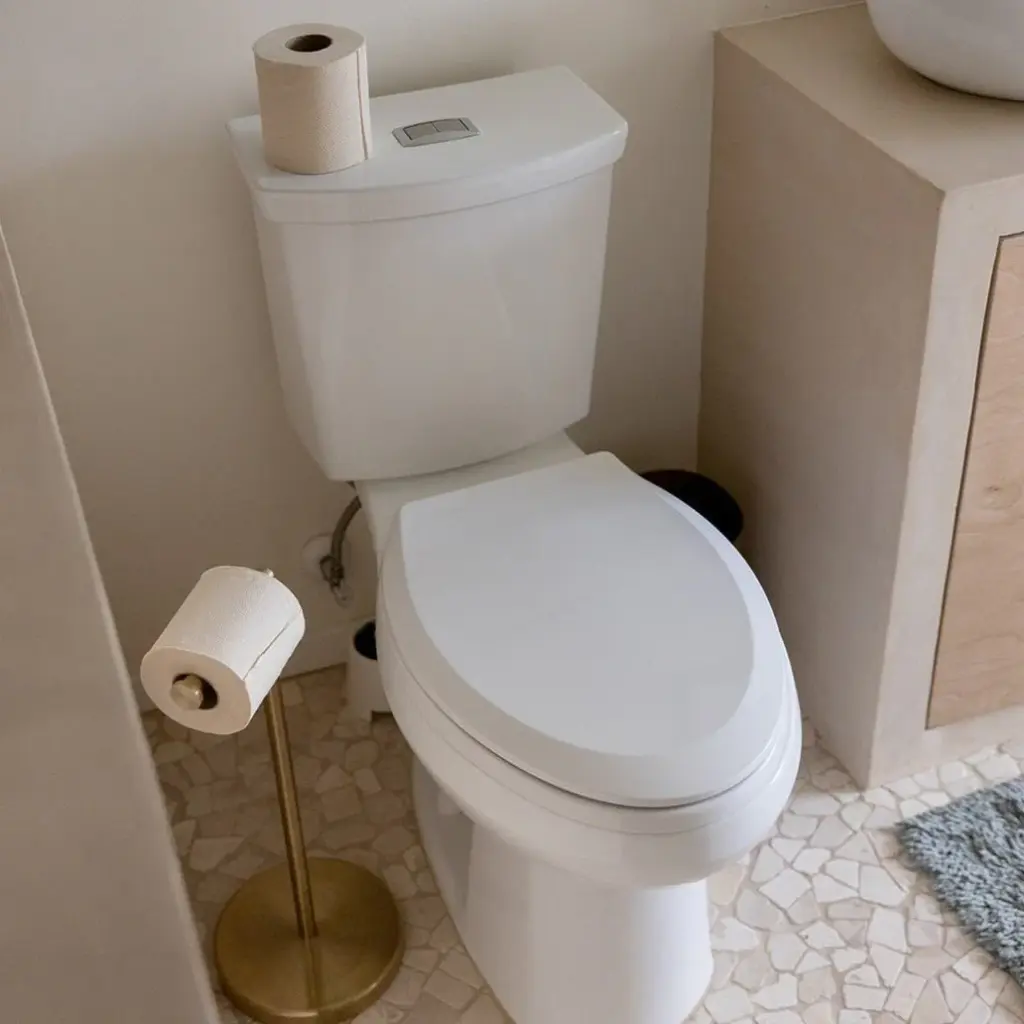
Consumers, particularly in Western countries such as France, Germany, and the United States, are increasingly considering the ecological footprint of everyday products. Social media campaigns, environmental documentaries, and sustainability education have fueled discussions about the necessity and environmental cost of single-use paper products.
Behavioral changes are emerging as a result. Many households are exploring alternatives or hybrid approaches to personal hygiene, aiming to reduce reliance on single-use paper.
Public discourse increasingly emphasizes not just individual consumption but also systemic solutions—manufacturers adopting recycled materials, reducing chemical treatments, and improving production efficiency.
Alternatives to Traditional Toilet Paper
Several alternatives to conventional toilet paper have gained attention due to their lower environmental impact:
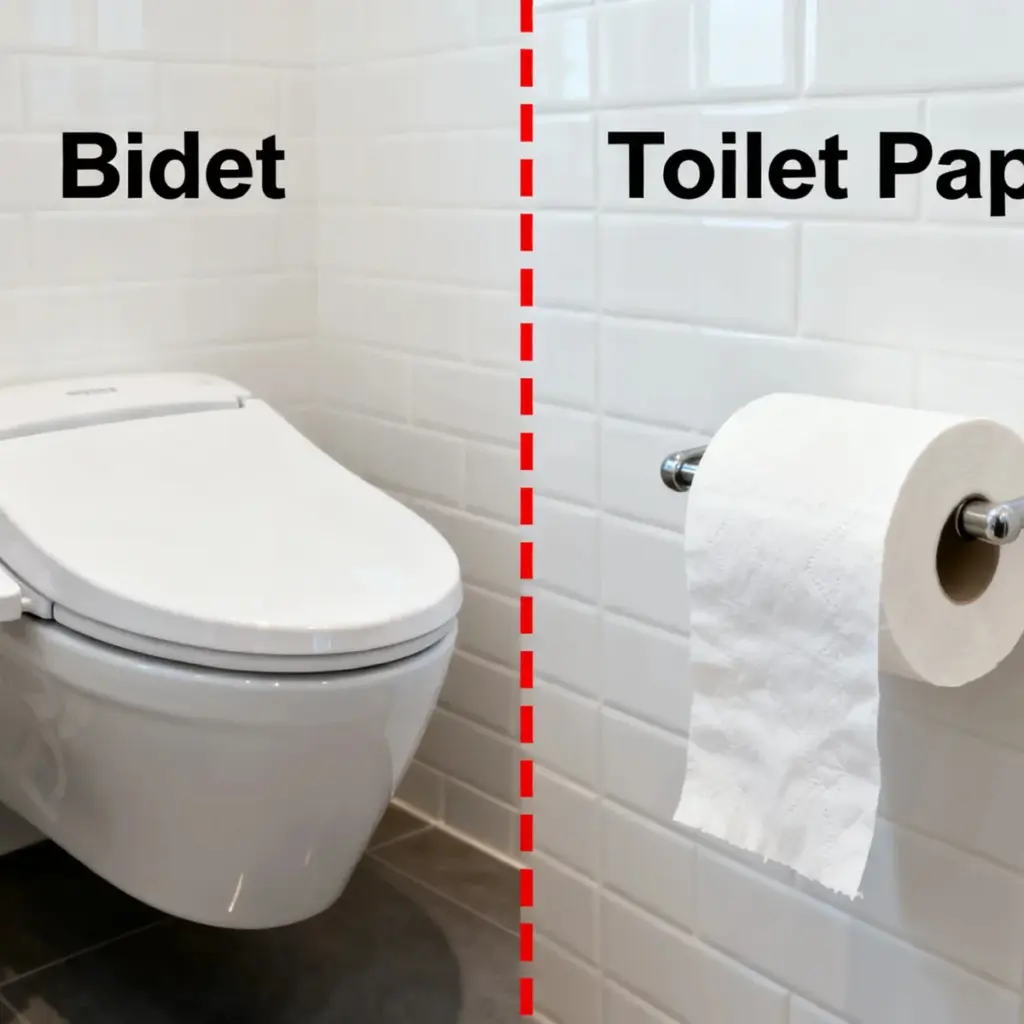
Bidets and Water-Based Cleaning Methods:
In countries such as Japan, Italy, and increasingly France, bidets and water-based hygiene devices have long been used.
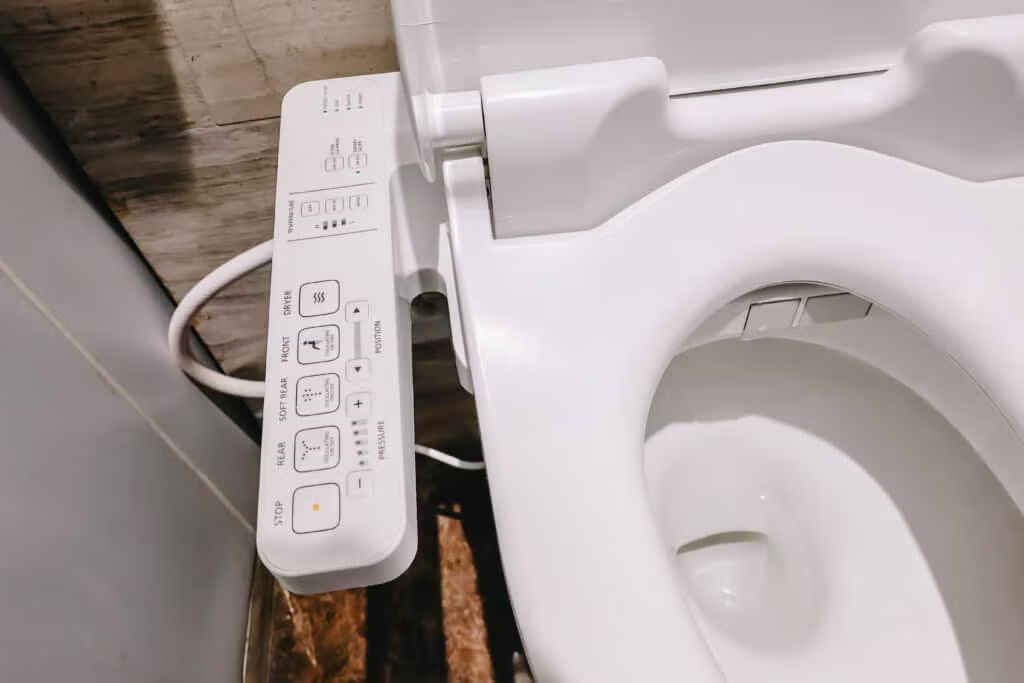
Modern electronic bidets, often installed as attachments or integrated into toilets, provide a controlled water spray for cleaning. These devices significantly reduce toilet paper usage—sometimes eliminating it entirely—and offer health benefits such as reduced irritation and enhanced hygiene.
Advanced bidet systems can even include heated water, warm air drying, and customizable spray settings, making them accessible, comfortable, and hygienic.
Recycled and Bamboo Toilet Paper:
Eco-conscious consumers are increasingly choosing toilet paper made from recycled paper or fast-growing bamboo. Recycled paper reduces the demand for virgin timber and minimizes deforestation, while bamboo, a rapidly renewable plant, requires fewer resources to cultivate.
Both alternatives typically consume less water and energy during production. While performance and softness can vary, technological advances in pulping and fiber treatment have made these options competitive with conventional toilet paper.
Reusable Washable Cloths:
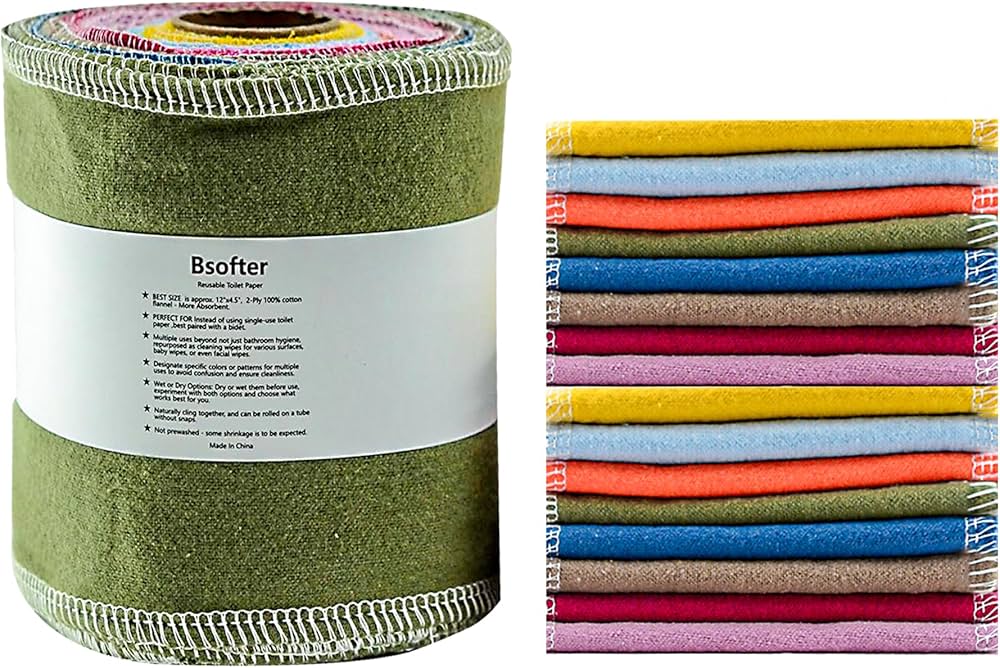
Often referred to as “family cloths,” these washable fabrics represent a low-waste alternative. Made from soft cotton or bamboo fabrics, they can be laundered and reused, dramatically reducing paper waste.
While initially unfamiliar or challenging for some households, advocates highlight the long-term cost savings and sustainability benefits. Education, hygiene guidelines, and proper laundering methods are crucial for safe use.
Composting and Eco-Friendly Disposal:
For rural or off-grid households, compostable toilet paper, designed to break down quickly in composting toilets or septic systems, is an increasingly popular solution.
This approach aligns with circular economy principles, ensuring that waste is returned to the soil as nutrients rather than contributing to landfill or wastewater pollution.
Challenges to Adoption
Despite the availability of alternatives, adoption rates vary due to cultural, infrastructural, and economic factors. Many Western households remain accustomed to the convenience of single-use toilet paper.
Plumbing systems, especially older ones, may not accommodate bidets, composting toilets, or certain reusable cloths. Initial costs for electronic bidets or sustainable systems can also deter some consumers, even if long-term savings are substantial.
Public awareness campaigns, manufacturer incentives, and government policies can play a significant role in promoting adoption and supporting infrastructure improvements.
Global Adoption: Water-Based Hygiene Practices
While many Western households have historically relied almost exclusively on toilet paper, other regions have long emphasized water-based hygiene.
In Japan, for instance, the integration of washlet toilets—toilets with built-in bidet functions—has become nearly universal in urban areas. These advanced systems, pioneered in the 1980s and popularized through companies such as Toto, combine water sprays, heated seats, air drying, and automated cleaning features.
According to industry reports, over 80% of Japanese households now use some form of electronic bidet. The adoption of these technologies reflects both cultural hygiene norms and government incentives that encourage energy efficiency and water conservation.
Italy and other parts of Southern Europe also demonstrate high usage of bidets. Italian bathrooms typically include a standalone bidet next to the toilet, used in conjunction with or as a replacement for toilet paper.
Surveys indicate that Italians use substantially less paper per capita than Americans, highlighting the environmental benefits of integrating water-based hygiene into daily routines.
In India and parts of Southeast Asia, hand-held water sprayers, known locally as lota or bum guns, are common. These low-cost, highly effective tools have allowed households to reduce paper consumption dramatically while maintaining personal hygiene standards.
The experience demonstrates that cultural acceptance plays a critical role in the success of alternatives, even when simple solutions are available.
Economic Considerations and Environmental Impact
Transitioning away from conventional toilet paper offers measurable economic and ecological benefits. A single household can save hundreds of dollars annually by reducing paper usage, while simultaneously lowering environmental impacts such as deforestation, chemical pollution, and water consumption.
Bamboo or recycled toilet paper alternatives typically have a lower carbon footprint, using fewer resources for cultivation, processing, and transportation.
For instance, bamboo grows rapidly—up to several feet per day in some climates—without the need for pesticides or extensive irrigation, making it a highly renewable raw material.
Governments and manufacturers are increasingly incorporating economic incentives to promote sustainable bathroom products. Subsidies for bidet installation, tax breaks for composting toilets, and eco-labeling programs for recycled paper help consumers make environmentally responsible choices.
Private companies also market reusable cloth systems and eco-friendly paper as part of broader sustainability campaigns, emphasizing reduced waste, cost efficiency, and long-term benefits.
Public Health and Hygiene Considerations
Health considerations are crucial when evaluating alternatives to conventional toilet paper. Bidets and water-based systems are widely recognized for their superior hygiene, as they use clean water to reduce the risk of bacterial transfer compared to dry wiping alone.
Studies in medical journals have suggested that bidet use can reduce urinary tract infections, hemorrhoids, and anal irritation, particularly among the elderly, pregnant women, and people with mobility issues.
Reusable cloth systems, when properly maintained and laundered, can also be hygienic. Experts emphasize regular washing in hot water, use of antibacterial detergents, and individual cloth assignment for family members to minimize cross-contamination.
Compostable or biodegradable paper products are additionally safe for most household plumbing and septic systems, preventing blockages while maintaining sanitary standards.
Case Studies: France, Germany, and the United States
In France, sustainability campaigns have drawn attention to toilet paper consumption as part of a broader “eco-conscious” lifestyle movement.
Environmental NGOs, coupled with media coverage, have promoted bidets, eco-friendly brands, and reusable cloth solutions. French plumbing standards and urban infrastructure have allowed these alternatives to gain traction in modern apartments and homes.
Germany has taken a slightly different approach, combining regulation and innovation. German manufacturers have introduced high-quality recycled toilet paper with minimal bleaching, reducing chemical exposure for both consumers and the environment.
Public education campaigns have also encouraged water-saving techniques and reduced waste. German policy emphasizes corporate responsibility, with brands required to label carbon footprint, water usage, and recyclability, empowering consumers to make informed choices.
In the United States, adoption has been slower, largely due to entrenched cultural habits and infrastructure constraints. However, in recent years, growing awareness of deforestation, chemical pollution, and climate change has fueled interest in bidets, reusable cloths, and bamboo-based products.
Online communities, eco-friendly blogs, and social media influencers have played a significant role in spreading awareness.
Cities with green building codes or sustainability initiatives are beginning to incorporate bidet installations in new residential and commercial developments, demonstrating that infrastructure adaptation can accelerate adoption.
Future Outlook: Sustainability, Innovation, and Cultural Change
Looking ahead, the future of bathroom hygiene will likely involve a combination of technological innovation, cultural adaptation, and policy incentives. Some emerging trends include:
Smart Toilets and IoT Integration:
Advanced toilets equipped with sensors, automated bidets, and energy-saving features are poised to become more widespread.
Integration with smart home systems allows water use monitoring, personalized hygiene settings, and improved sanitation, all contributing to a lower environmental footprint.
Expanded Recycled and Plant-Based Products:
Research into sustainable fibers such as sugarcane, hemp, and bamboo continues to improve softness, durability, and ecological efficiency.
Companies are investing in environmentally responsible production methods, including chlorine-free bleaching, water recycling, and energy-efficient processing.
Behavioral and Cultural Shifts:
Success will depend on public willingness to embrace new hygiene practices. Educational campaigns, social influence, and visible sustainability benefits are key factors.
In Western countries, normalization of bidets and water-based cleaning devices may eventually replicate the acceptance observed in Japan, Italy, and Southeast Asia.
Circular Economy Approaches:
Composting toilets, greywater systems, and reusable cloths offer a vision of circular living where waste is minimized, resources are regenerated, and consumer impact is continuously reduced.
Integrating these systems into urban planning and residential development can significantly lower environmental impact over time.
Policy and Incentive Programs:
Governments may adopt measures such as subsidies for eco-friendly toilet products, mandatory environmental labeling, and urban planning incentives that facilitate water-based hygiene alternatives.
Collaborative efforts between public institutions and private companies can accelerate adoption while maintaining high hygiene standards.
Conclusion: Toward a Sustainable Bathroom Future
Toilet paper, once a simple household commodity, now stands at the intersection of cultural habits, environmental responsibility, public health, and technological innovation.
While conventional toilet paper has a well-established history and convenience, its environmental footprint has sparked global debate and inspired new solutions.
Water-based systems, reusable fabrics, and plant-based papers demonstrate that hygiene, sustainability, and practicality can coexist.
As awareness grows, individual households have the power to make informed choices that benefit the planet, conserve resources, and reduce waste. Governments and manufacturers are likewise critical in providing infrastructure, policy support, and innovative solutions.
Together, these efforts indicate a future where sustainable bathroom hygiene becomes not just an option, but a norm—one where conscious choices today ensure healthier, cleaner, and more responsible living for generations to come.